
Last updated November 23, 2026
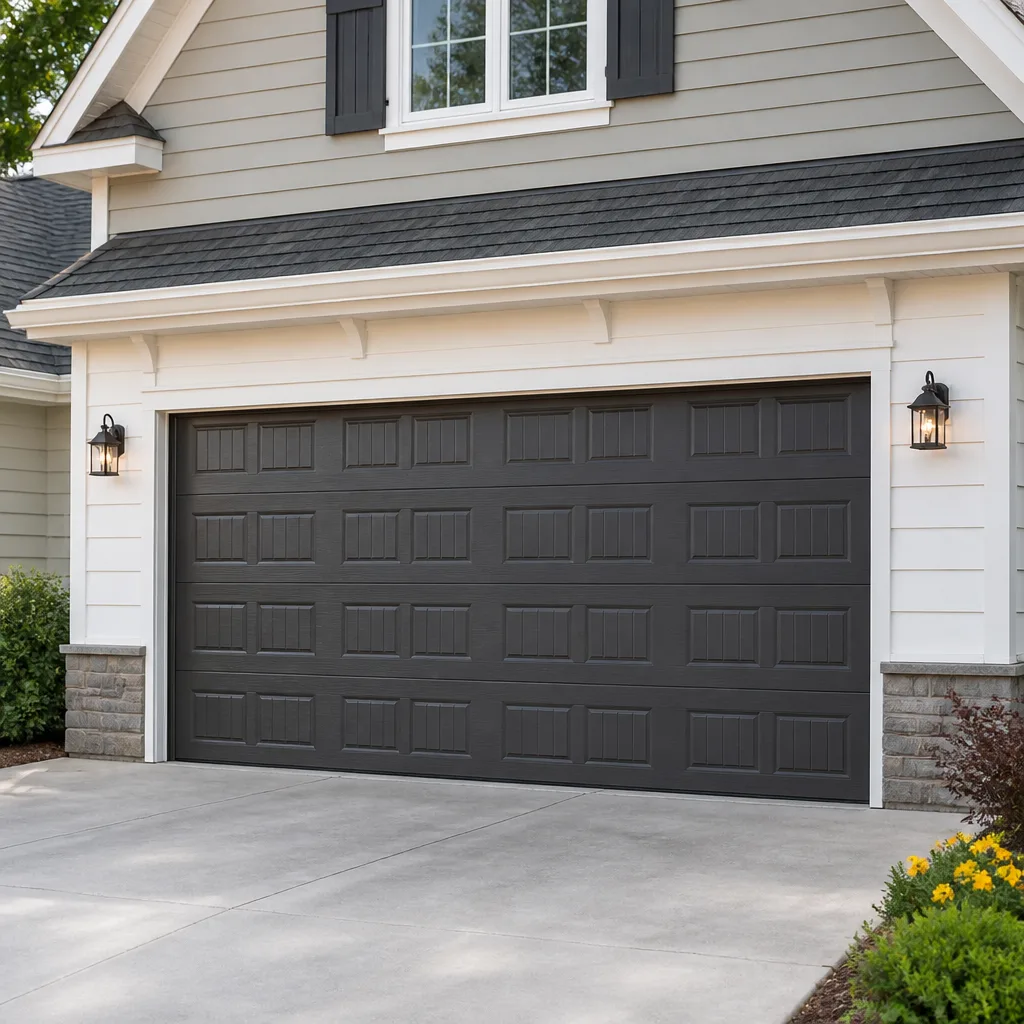 Raised-panel steel
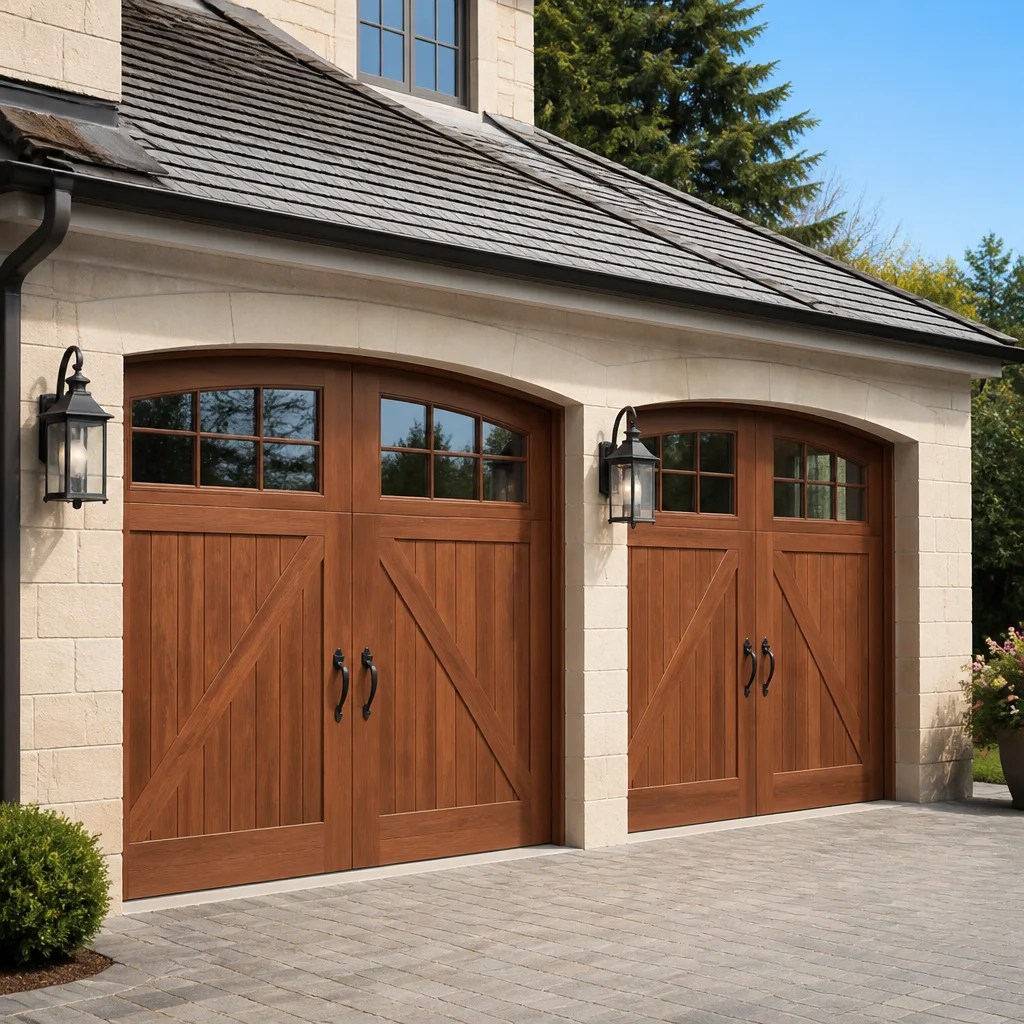 Carriage house
 Modern flush
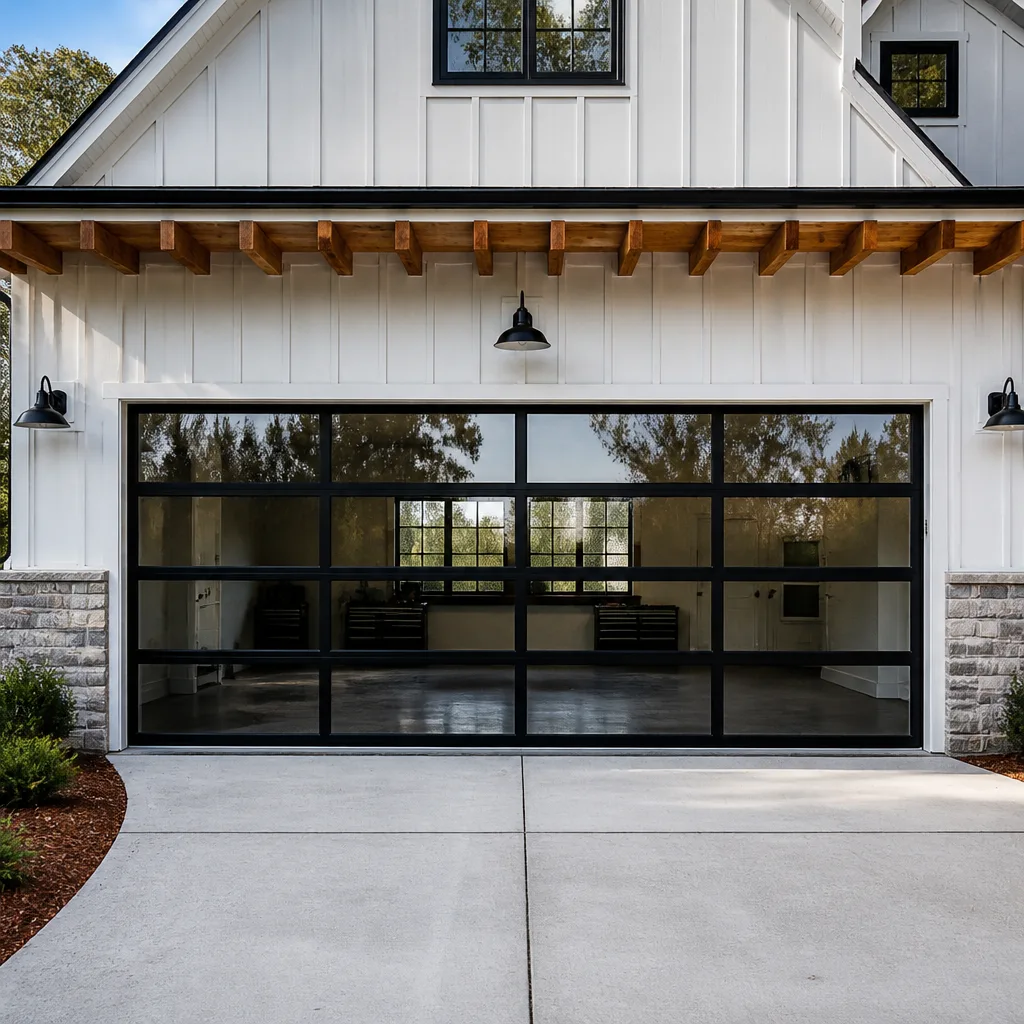 Full-view glass
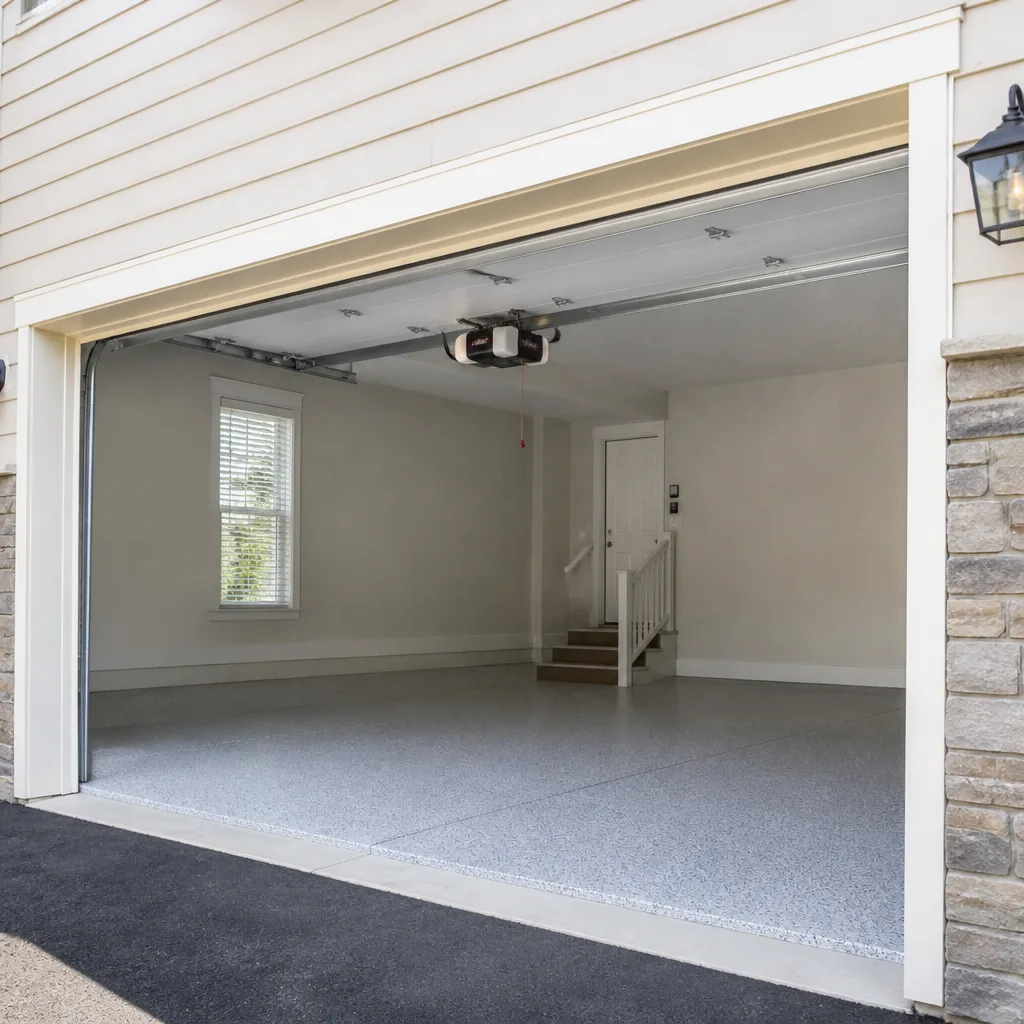 LiftMaster openers
 Chamberlain openers
Full 25-point door and opener safety check with every visit - springs, cables, rollers, tracks, and your LiftMaster or Chamberlain opener included
You get a price before we start. It does not change when the pro arrives.
Get your free estimateHow to Hire a Garage Door Contractor in Hartford: A Step-by-Step Guide
Most homeowners vet a garage door contractor the same way they’d hire a painter or a landscaper: check the state registration, glance at the reviews, take the lowest bid. That approach works fine for a deck. It’s the wrong filter for a 300-pound moving part that travels on high-tension springs and lifts directly over the family car. Connecticut does require a Home Improvement Contractor registration for this work, and that’s a real starting point, but the registration tells you almost nothing about whether the person on the phone knows a torsion spring from an extension spring, or can size a replacement without guessing. This guide walks Hartford homeowners through the questions, documents, and red flags that actually separate a garage door specialist from a generalist having a slow week.
Quick Answer
Hiring a garage door contractor in Hartford means verifying the contractor’s Connecticut Home Improvement Contractor registration on the state’s public database, then qualifying them with technical questions about springs, openers, and brands before anyone steps on a ladder. A legitimate written estimate should itemize parts, labor, and disposal with no mystery charges, and it should be agreed before any work begins. The cheapest bid on a spring or cable job is usually the riskiest, because parts quality is where corner-cutting hides.
Styles & brands we work with
- Raised-panel steel
- Carriage house
- Modern flush
- Full-view glass
- LiftMaster openers
- Chamberlain openers
Table of Contents
- Why Garage Door Work Needs a Specialist, Not a Handyman
- Step 1: Verify the Connecticut HIC Registration in Under Two Minutes
- Step 2: Five Phone Questions That Reveal a Specialist
- Step 3: What a Legitimate Written Estimate Must Include
- Step 4: Why the Lowest Bid Is Usually the Highest Risk
- Step 5: How to Read Reviews for Garage Door Contractors
- Hartford Context: Old Housing Stock, New England Weather, and Door Systems That Show It
- Common Mistakes to Avoid
- When to Call a Professional
Why Garage Door Work Needs a Specialist, Not a Handyman
A garage door is a system, not a single object. It’s a spring-loaded counterweight, a set of tracks and rollers, a set of hinges and cables, and an electronic opener that drives all of it. Each part has its own failure mode, and the parts interact. A door that won’t close isn’t automatically an opener problem; a door that slams down isn’t automatically a spring problem. Reading those symptoms correctly is the whole job, and it’s where a generalist costs you money twice: once for the wrong part, and again for the right one when the first fix doesn’t hold.
The safety angle matters more than the efficiency angle. Torsion springs are wound to a specific tension that can be many times the weight of the door itself. They’re the highest-risk component in the entire assembly, and the training to service them safely is not something a general contractor picks up on a weekend. In our experience, the tells of a generalist show up fast. They’ll talk about “the motor” as the cause of everything. They’ll quote a spring job without asking which type of spring system the door uses. They’ll offer to fix a door and an outlet in the same visit.
A specialist does the opposite. They ask about the door before they ask about your address. They know the difference between a torsion system and an extension system because the failure symptoms and the repair process are different. And they carry the diagnostic habit of a person who’s seen the same brand fail the same way dozens of times. Our technicians have up to 10 years of experience, and that tenure shows up most clearly when the diagnosis has to happen in the first ten minutes of the visit.
Step 1: Verify the Connecticut HIC Registration in Under Two Minutes
Connecticut requires a Home Improvement Contractor registration for anyone performing residential home improvement work, and garage door repair and installation falls under that umbrella. That registration is the legal floor, not the ceiling. A registered contractor is not automatically a qualified garage door contractor, but an unregistered one is a red flag you shouldn’t ignore.
Verification is quick. Open the state Department of Consumer Protection’s HIC lookup, type in the contractor’s name or proposed business name, and confirm the registration comes back active. Do this before you accept any bid, and do it yourself. A screenshot of a registration card proves nothing on its own.
- Get the legal business name. Ask for the exact name that appears on the registration, not the trade name on the truck.
- Search the CTDCP database. Use the state’s public HIC lookup tool and search by business name or principal name.
- Confirm the status is active. An expired or suspended registration is not the same as no registration, but it disqualifies the contractor from working in the state.
- Ask for a certificate of insurance separately. A registration is a state filing; insurance is a private policy. Ask the contractor to have their insurer send you a certificate naming you as the certificate holder. If they won’t, take it seriously.
- Cross-check the name on the estimate. The name on the written bid should match the name on the state registration.
What the HIC registration does not tell you: whether the contractor has ever worked on a torsion spring system, whether they carry the right springs for a Clopay or an Amarr door, or whether they can properly program a modern LiftMaster opener after a replacement. Registration is the paperwork. The phone call is the interview.
Step 2: Five Phone Questions That Reveal a Specialist
You’ll know within three minutes whether you’re talking to a garage door specialist. The questions below are designed to be unfakeable: a generalist who’s read a blog post can’t answer them with the casual fluency of someone who’s done the work. Ask them before you agree to a visit.
- “What’s your process for sizing a replacement torsion spring?” A specialist answers with a real method: measuring the wire gauge, inside diameter, and length, and matching those to the door’s weight. A generalist will say something like “we order the one that fits.” There is no such thing as a universal spring.
- “How do you tell a torsion spring failure from a cable failure?” The specialist describes the difference in sound, in door behavior, and in what the door looks like when it’s halfway up. A broken spring drops a door into a specific, familiar posture. A snapped cable usually produces a door that binds on one side.
- “Which brands do you work on most?” You’re listening for names of door and opener manufacturers, not a shrug. We work on LiftMaster, Chamberlain, Genie, Clopay, Amarr, Wayne Dalton, Craftsman, and Raynor, and there’s a practical reason: most Hartford garages have one of those systems in them already.
- “How do you adjust the travel limits or force settings on the opener?” The answer should reference the opener’s manual or a proper programming procedure, not a guess-and-check with the remote. This question reveals whether the contractor actually services openers or just installs them.
- “What does your written estimate include?” A specialist will list parts, labor, and haul-away without prompting. If the answer is vague, that’s the estimate you’ll be arguing with later.
If you’re calling for a stuck door and the person on the phone starts by asking about the door’s brand and how it’s hung before asking your address, that’s a good sign. When the door won’t move, a real garage door specialist is the one who can tell you what’s wrong from the sound it made.
Step 3: What a Legitimate Written Estimate Must Include
A written estimate is your only real protection. It should arrive before the work starts, list the actual parts and the actual labor, and be signed or acknowledged before anything is unwound or removed. On a spring or cable job especially, the estimate should specify whether one spring or a pair is being replaced, because the price for one spring and the price for a matched pair are different numbers.
Here’s the structure a real estimate uses for garage door work:
- Part description, not a lump sum. “Torsion spring, one, matched to door weight” is a real line item. “Spring repair” is not.
- Quantity. One spring or a pair, replaced together. A matched pair costs roughly twice a single spring.
- Labor line. Broken out from parts, so you can see the actual cost of the visit.
- Disposal or haul-away. Old springs, cables, and openers don’t go out with the trash.
- Any parts your door needs that aren’t obvious – rollers, hinges, or a bearing plate that’s seized. A good estimate flags these up front rather than adding them after.
Three things signal a padded or corner-cutting bid. First, a “diagnostic fee” that gets “credited toward the repair” with no written scope; the estimate should be free and the price should be per job. Second, a bid that quotes a single price for “spring replacement” without saying one or two, which leaves room for a mid-job surprise. Third, a bid with no disposal line at all, because somebody is going to be left holding the old hardware. Ask for the full written total, and confirm in writing that nothing gets added without your approval.
Step 4: Why the Lowest Bid Is Usually the Highest Risk
Springs come in a range of quality, and the difference doesn’t show up on the box. A cheaper spring may use thinner wire gauge, a lower-grade alloy, or fewer cycles before it fatigues. Put that spring on a heavy Hartford door that cycles four times a day and it may last a fraction of the time a properly sized spring would. You won’t know which one you got until the door fails again, and by then the phone call is to a new contractor.
This is where the “lowest bid” trap does its real damage. The bid looks better on paper, but the sequence is: install a cheaper spring, save a little money, then pay the full price again sooner than you expected. A specialist quoting on a spring job is quoting to solve the problem once. That means sizing to the door, choosing a spring rated for the door’s weight and cycle count, and telling you the difference.
The same logic applies to openers. A modern LiftMaster or Chamberlain opener has a safety reverse system that must be tested and adjusted to work correctly. A cheap replacement without proper belt or chain tensioning and travel limit adjustment is a liability. Corner-cutting on the installation side doesn’t usually show up in the first week; it shows up months later when the door drifts or the safety reverse stops catching. If a bid is dramatically below the others, ask what the parts are, then look up whether that part meets the door’s spec. Most readers will know the answer in two minutes.
Step 5: How to Read Reviews for Garage Door Contractors
Star rating alone tells you almost nothing on a garage door contractor. A business with a 4.8 across a small number of reviews can be excellent. A business with a 4.2 across hundreds can be one with a few bad hires. You want to read for the pattern, not the average.
Here’s what to look for specifically:
- Mentions of a technician arriving when promised. Garage door work is often urgent. Whether the contractor showed up when they said matters as much as how the fix went.
- Specific service language. Reviews that mention the actual problem (“broken torsion spring,” “opener wouldn’t reverse,” “door came off the track”) are more credible than ones that just say “great service.”
- Mentions of a diagnosed cause. Did the reviewer say the contractor told them what was wrong before quoting? That’s a specialist habit.
- How complaints were handled. Read the negative reviews specifically to see the response. A contractor who answers thoughtfully is a better risk than one who argues.
- Frequency of repeat terms. If four people say “the price matched the quote,” that pattern is worth more than any star rating.
For Hartford specifically, look at whether reviews reference the neighborhoods or towns the contractor actually serves. A shop that lists every county in Connecticut may be routing work to whatever contractor is available, which is exactly what you’re trying to avoid. A specialist working in Hartford neighborhoods like Asylum Hill, West End, or South End knows the housing stock and the kind of door systems those homes tend to have.
Hartford Context: Old Housing Stock, New England Weather, and Door Systems That Show It
Hartford’s housing stock is old. A good share of the city’s single-family and multi-family homes date from the early and mid-twentieth century, and many of them have detached or integrated garages that were added or converted decades after the house was built. That matters for garage door work in three specific ways.
The first is that door systems in Hartford aren’t uniform. You’ll find newer Clopay and Amarr doors on rebuilt homes alongside older Wayne Dalton and Craftsman openers on garages that haven’t been touched since installation. A contractor who only knows how to work on the brand they sell will quote a replacement when a repair would do. We work on the brand you already have, which is the whole point of brand coverage: eight major manufacturers means the door in most Hartford garages is one we service every week.
The second is weather. Hartford gets real freeze-thaw cycles through the winter, and the temperature swing between a July afternoon and a January morning is large enough to put stress on springs, cables, and the door’s hinges. Cold contracts metal and stiffens lubricant. When the first hard freeze arrives, a spring that’s been quietly fatiguing for months has a habit of choosing that morning to let go. That’s not a marketing line; it’s a pattern that shows up in the call volume the week after the first cold snap.
The third is that older homes often have narrow or irregular garage openings, which makes proper measurement more important at the estimate stage. A door that’s ordered to the standard opening size won’t close properly on a garage that was framed in 1940. When you’re evaluating a contractor for a replacement, ask when the measure happens and who does it. A free measure and a written price should come before any order goes in, whether that’s a spring, an opener, or a full replacement.
Step 6: Ask How the Contractor Handles the Opener and the Door
The door and the opener are two systems bolted to the same opening, and they fail differently. The door is mechanical: springs, cables, rollers, hinges, panels, and tracks. The opener is electronic: motor, belt or chain, safety sensors, and the logic board. A contractor who only services the opener will treat a slow-opening door as a motor problem. A contractor who only services the door will tell you the spring is fine and the door still won’t open.
Ask a prospective contractor whether they handle both in a single service call. The answer should be yes, and the reasoning should be that diagnosing whether the door or the opener is at fault requires looking at both together. A door that opens on the manual release but not on the remote isn’t a door problem. A door that’s hard to lift by hand isn’t an opener problem. The diagnosis is the whole visit.
This is also where the brand question gets practical. An opener that’s been properly installed and adjusted for a LiftMaster or Genie unit behaves differently than a forced fit. Safety reverse tuning, travel limits, and force settings are all brand-specific, and an installer who doesn’t know the system will leave the opener running at defaults that may trip the safety reverse incorrectly or fail to catch an obstruction. If you’re comparing bids for a replacement opener or a full garage door installation, ask how those settings are verified before the contractor leaves the driveway.
Step 7: What Emergency Service Actually Means
Any contractor can say they offer emergency service. The question is what that actually means in practice. For a garage door, “emergency” usually means one of three things: the door won’t close and the house isn’t secure, the door is stuck half-open and blocking a car, or a spring or cable has failed and the door is hanging in a position that’s dangerous to use.
When you call on an emergency basis, ask three questions: Does the phone get answered now or does it go to a machine? Is there a technician available to come out, and what’s the realistic window? Is the price for emergency work quoted the same way as a standard repair, or is it a flat surcharge?
For Hartford Garage Door Repair Co, the answer is that we answer 24/7 and dispatch technicians from 7am to 7pm Sunday through Friday. We’re closed Saturday; a call that comes in outside dispatch hours gets booked into the next opening. When the door won’t move, we do, and the price is still quoted and agreed before any work starts.
One safety note that’s worth saying plainly: if the door is hanging unevenly, if you can see a gap in the springs, or if the door has come off one of the tracks, don’t operate it, and don’t try to force it closed by hand. A door in that state can come down hard, and the spring energy stored in a partially failed system is not something to test with your own hands. Call for a technician and keep people, pets, and cars clear of the opening until they arrive.
Step 8: Decide Whether to Repair or Replace
The repair-versus-replace call is where a generalist will always lean toward replacement, because replacement is a bigger job. A specialist leans toward the fix that holds. The deciding factors are the door’s condition, the cost of the repair relative to replacement, and whether the door is a system worth keeping.
Here’s a rough way to think about it:
- Repair is usually the right call when the door is otherwise sound and a single component has failed – a spring, a cable, a set of rollers, an opener’s logic board.
- Repair is usually the right call when the door and panels are in good shape and the failure is mechanical and isolated.
- Replacement is usually the right call when the door itself is damaged, warped, or too old to source parts for, or when multiple components have failed close together.
- Replacement is usually the right call when the door’s weight and the opening’s condition have made the current system chronically unreliable.
The right answer comes from an actual look at the door, not a phone description. That’s why the free estimate matters: it’s the only point in the process where a real diagnosis happens before a price is set. If a contractor quotes you a replacement over the phone based on a symptom, ask them to come out and confirm before you commit.
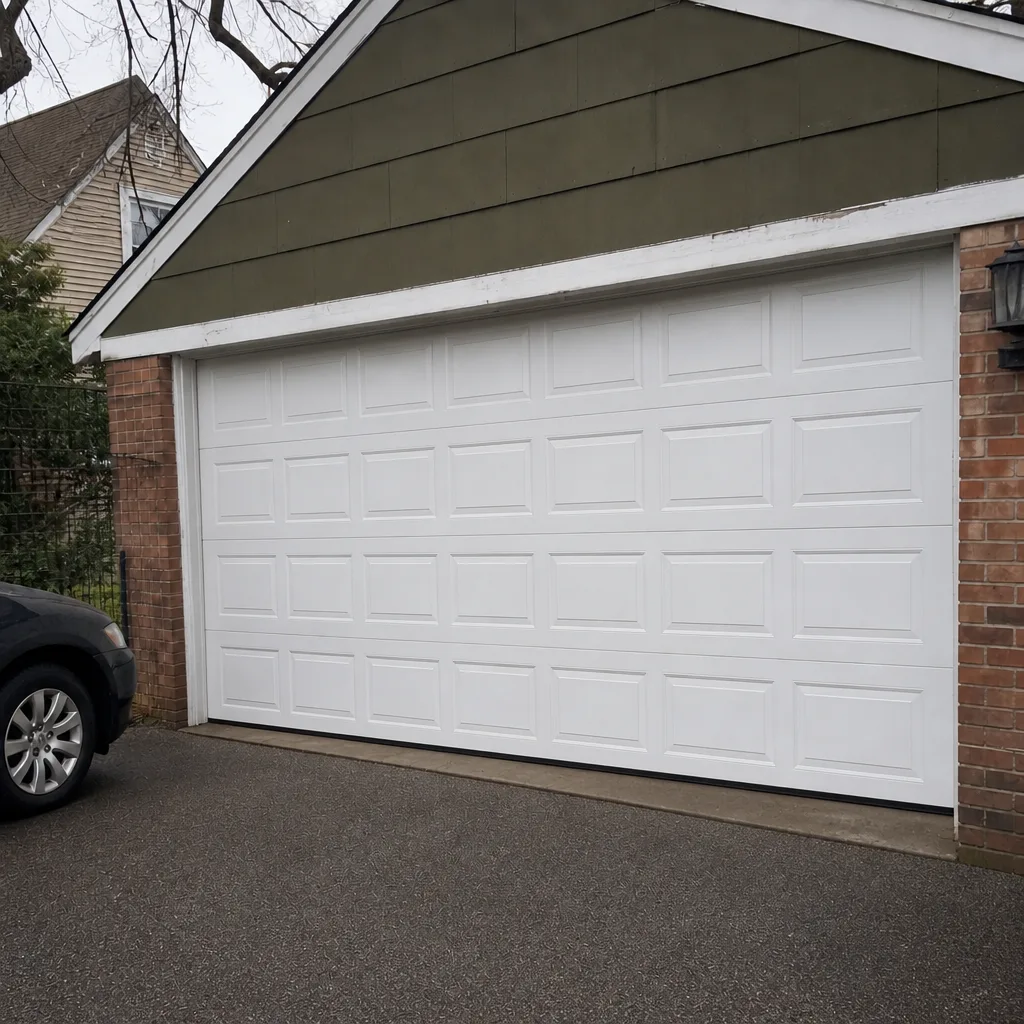
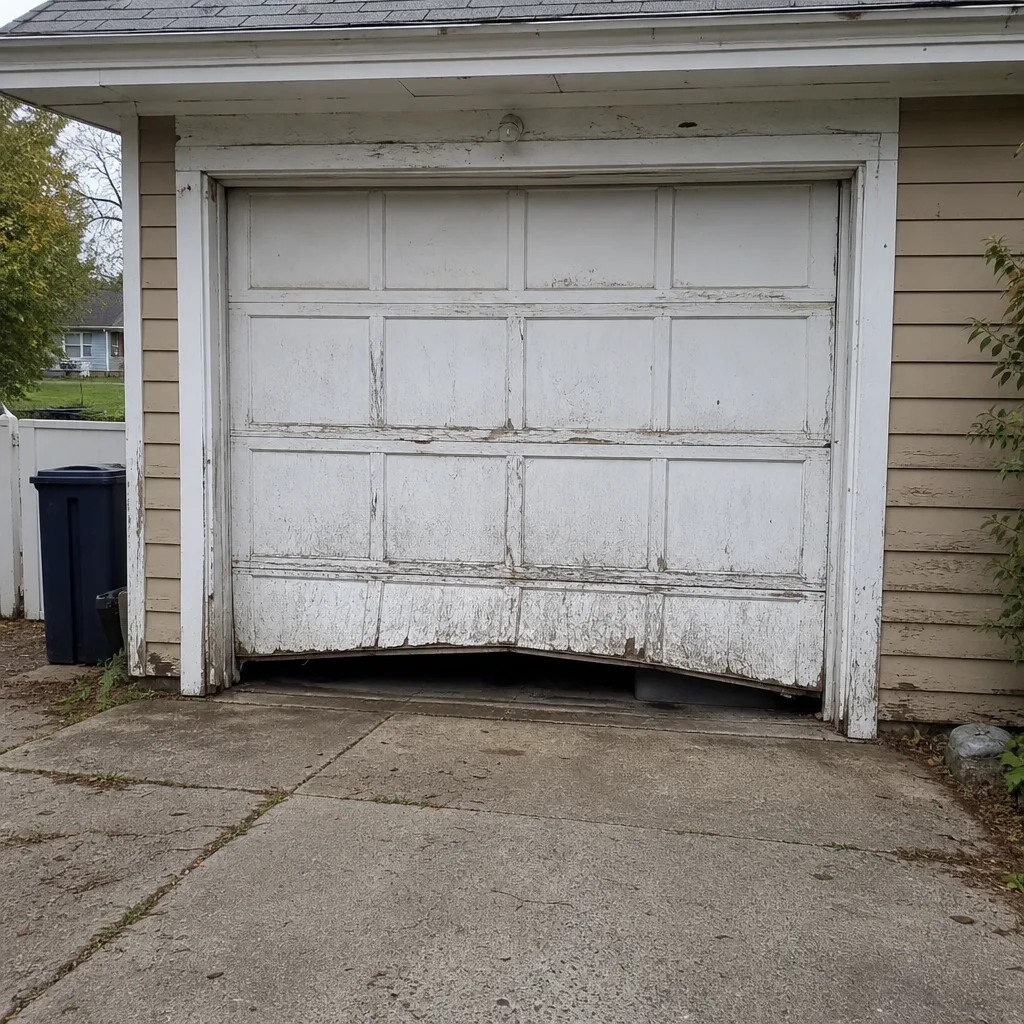
See the difference
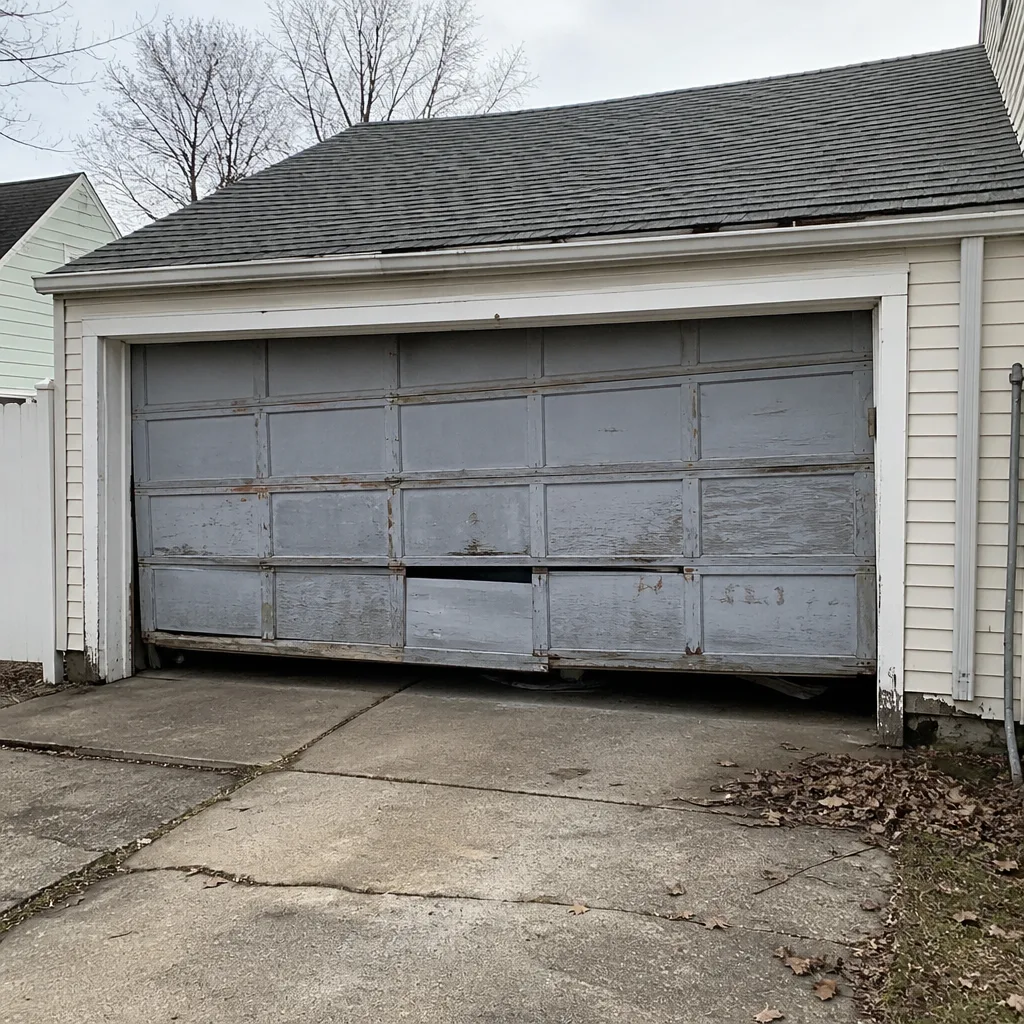 Before
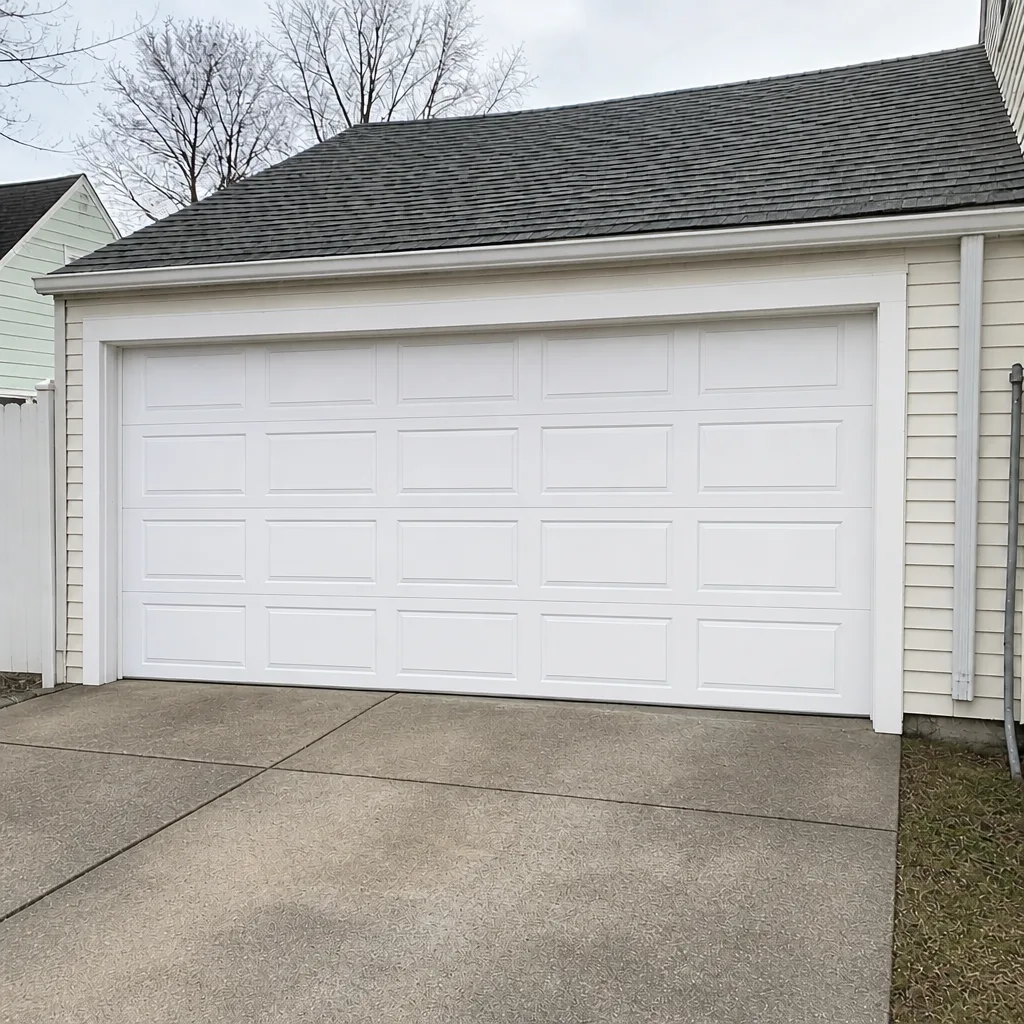 After
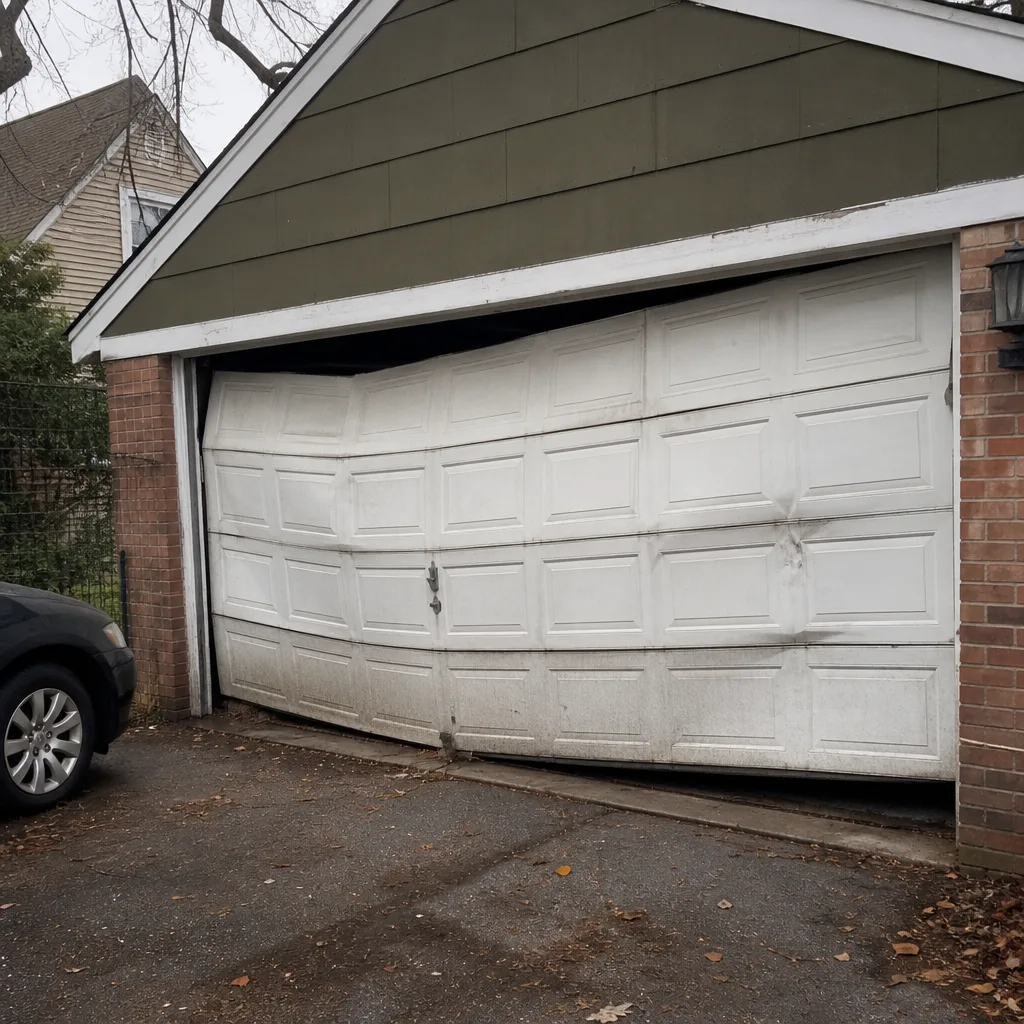 Before
 After
 Before
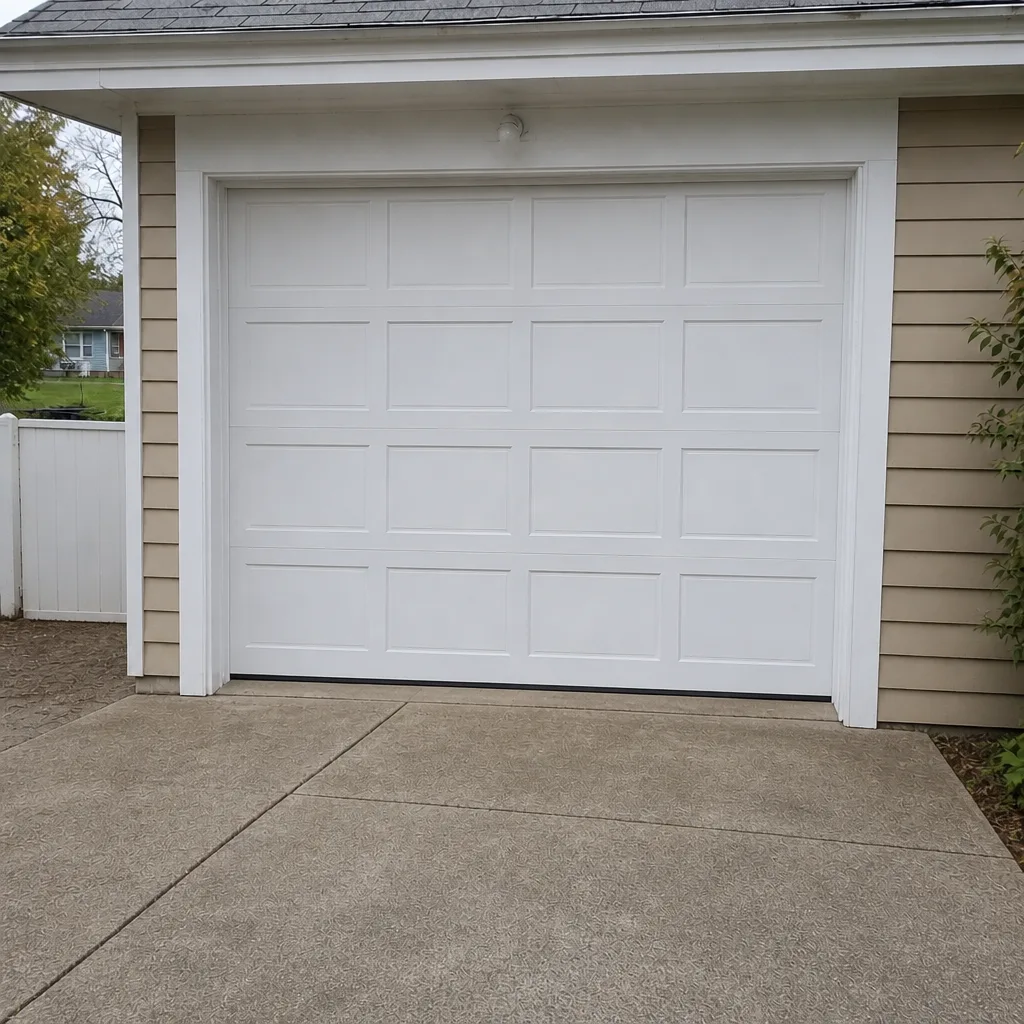 After
Step 9: Ask What the Price Includes After the Work Is Done
The work isn’t done when the door goes up and down once. It’s done when the door has been cycled several times, the springs are tensioned correctly, the opener’s safety reverse has been tested, and any parts that came off have been hauled away. On a spring or cable job, this also means the technician confirms the door balances in the middle of travel with the manual release engaged.
Ask the contractor when you book: does the price include testing the door and the opener before they leave, and does it include removal of the old parts? A written estimate should say so. It’s a simple thing to check, and it tells you whether you’re paying for a repair or paying for a repair that has to be repeated. If a bid doesn’t mention testing or disposal, it’s not a mistake; it’s a gap you’ll fill later.
What happens when you call
- 1
A real person answersNo phone trees – you reach a local pro.
- 2
You get an upfront price rangeHonest numbers before anyone is dispatched.
- 3
A background-checked tech heads outLicensed & insured, dispatched right away.
- 4
You approve before work beginsNothing starts until you say go.
Common Mistakes to Avoid
- Treating a garage door as handyman work. A general contractor can hang a door, but a torsion spring system requires specific training and specific tools. Match the trade to the job.
- Skipping the state registration check. Connecticut’s HIC database takes less than two minutes. It’s the cheapest piece of due diligence in this entire process, and the most-skipped.
- Accepting a verbal quote. A price on the phone isn’t an estimate. A written estimate with part descriptions, quantities, and labor is, and it’s the thing you’ll compare against the other bids.
- Choosing the low bid without asking about parts. Two springs can look identical on a truck and behave very differently on a door. Ask what the part is, then check that it’s rated for your door’s weight.
- Letting someone diagnose from the driveway. A technician who quotes a spring replacement without opening the door to check the spring system is guessing. Ask them to look before they price.
- Ignoring the opener after a door repair. A repaired door on an opener that’s still out of adjustment will fail again. The diagnosis needs to cover both systems.
- Assuming an emergency call costs more. Price should be set per job by the written estimate, not by the time of day. Ask before you agree to work.
When to Call a Professional
Some garage door issues can wait for a scheduled repair; others shouldn’t. Call a professional when a spring is visibly broken or the door feels unusually heavy to lift, because the stored energy in a failed system is dangerous to test. Call when the door comes off its track, because forcing it back is how people get hurt. Call when the opener won’t reverse on an obstruction, because that’s a safety feature failing, not a convenience feature. Call when the door is hanging unevenly, when cables are frayed or slack, or when the door won’t close all the way and the house isn’t secure.
For repair questions, our garage door repair service covers the mechanical side, and garage door opener repair covers the electronics. If you’re replacing a spring, that’s the most safety-sensitive job on the door, and we treat it as its own specialty. Hartford Garage Door Repair Co offers free estimates in Hartford, call (833) 482-6140. We answer 24/7. Fast dispatch from 7am to 7pm, Sunday through Friday.
Frequently Asked Questions
Connecticut requires a Home Improvement Contractor registration for residential garage door work, and you can verify it on the state’s CTDCP database in under two minutes. The registration is the legal minimum; it doesn’t confirm the contractor specializes in garage doors, so pair it with the technical phone questions in this guide. Call (833) 482-6140 for an estimate from our team, and estimates are free.
Spring repair in Hartford typically costs in the range you’ll get in a written estimate, and the price depends on whether one spring or a matched pair is being replaced, because a pair costs roughly twice a single spring. The estimate is free and the price is set per job before work starts. Call (833) 482-6140 for an exact quote; estimates are free.
No, springs aren’t a safe DIY repair. Torsion springs are wound to a tension that can be many times the weight of the door, and the winding process requires specific tools and training. A spring that lets go while you’re handling it can cause serious injury, so this is one job to leave to a trained technician. Call (833) 482-6140 if a spring has failed and you need a technician out.
Ask how they size a replacement torsion spring, how they tell a spring failure from a cable failure, which door and opener brands they work on, how they adjust an opener’s travel limits, and what their written estimate includes. A specialist answers all five without hesitation. If the answers are vague, keep looking, or call us at (833) 482-6140 and we’ll walk you through it.
Hire a specialist. Garage door work involves a 300-pound moving part on high-tension springs, and a generalist is more likely to misdiagnose the cause, install a poorly matched part, or leave the opener out of adjustment. A single-trade specialist does this work every day and diagnoses faster. Call (833) 482-6140 for a free estimate from a garage door specialist.
Yes, we offer emergency garage door service for urgent failures like a door that won’t close or a spring that’s let go. We answer 24/7. Fast dispatch from 7am to 7pm, Sunday through Friday, and we’re closed Saturday. A call outside dispatch hours is booked into the next opening. Call (833) 482-6140.
Ask for a certificate of insurance from the contractor’s insurer, not a photocopy from the contractor. The certificate should name you as the certificate holder and show the policy is active. Do this alongside the HIC registration check, since the two are separate. Call (833) 482-6140 if you have questions about what coverage to look for.
The written estimate sets the final price, and any additional parts should be approved by you before they’re added. A contractor who quotes from the driveway may revise after seeing the actual system, which is why the estimate should come after a real look at the door. Call (833) 482-6140 for a free written estimate.
The Bottom Line
Hiring a garage door contractor in Hartford comes down to treating this as specialist work from the first phone call. Verify the Connecticut HIC registration yourself, ask the five technical questions before you book anything, insist on a written estimate that names parts, quantities, and disposal, and read reviews for pattern rather than star rating. The lowest bid on a spring or cable job is usually the one with the cheapest parts, and you pay for that twice. When you want a specialist to look at a repair, a replacement spring, an opener, or a full new door, call (833) 482-6140. Our technicians have up to 10 years of experience, we work on the brand you already have, and we cover eight major manufacturers. The estimate is free and the price is agreed before any work starts. We answer 24/7. Fast dispatch from 7am to 7pm, Sunday through Friday.
For more on what we do across the city, see Hartford Garage Door Repair Co.
Written by the team at Hartford Garage Door Repair Co.