
Last updated November 23, 2026
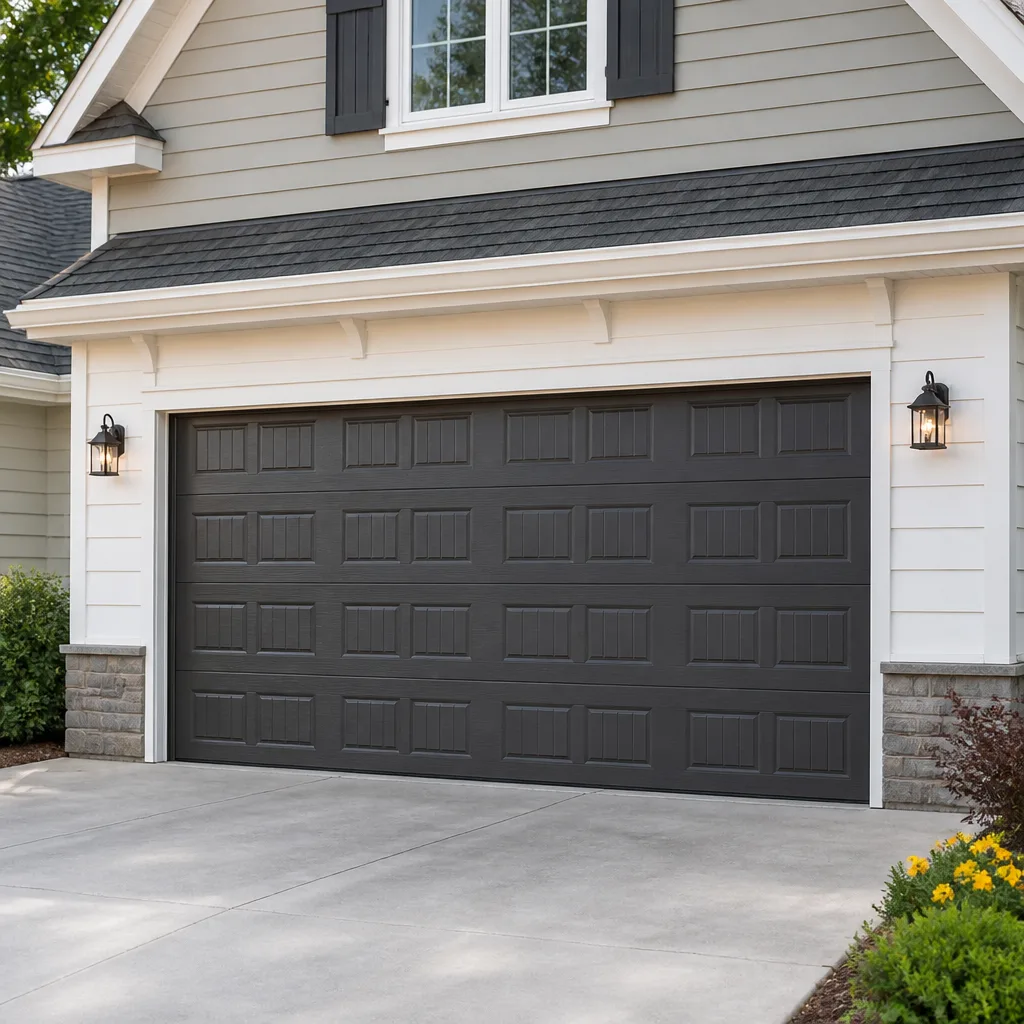 Raised-panel steel
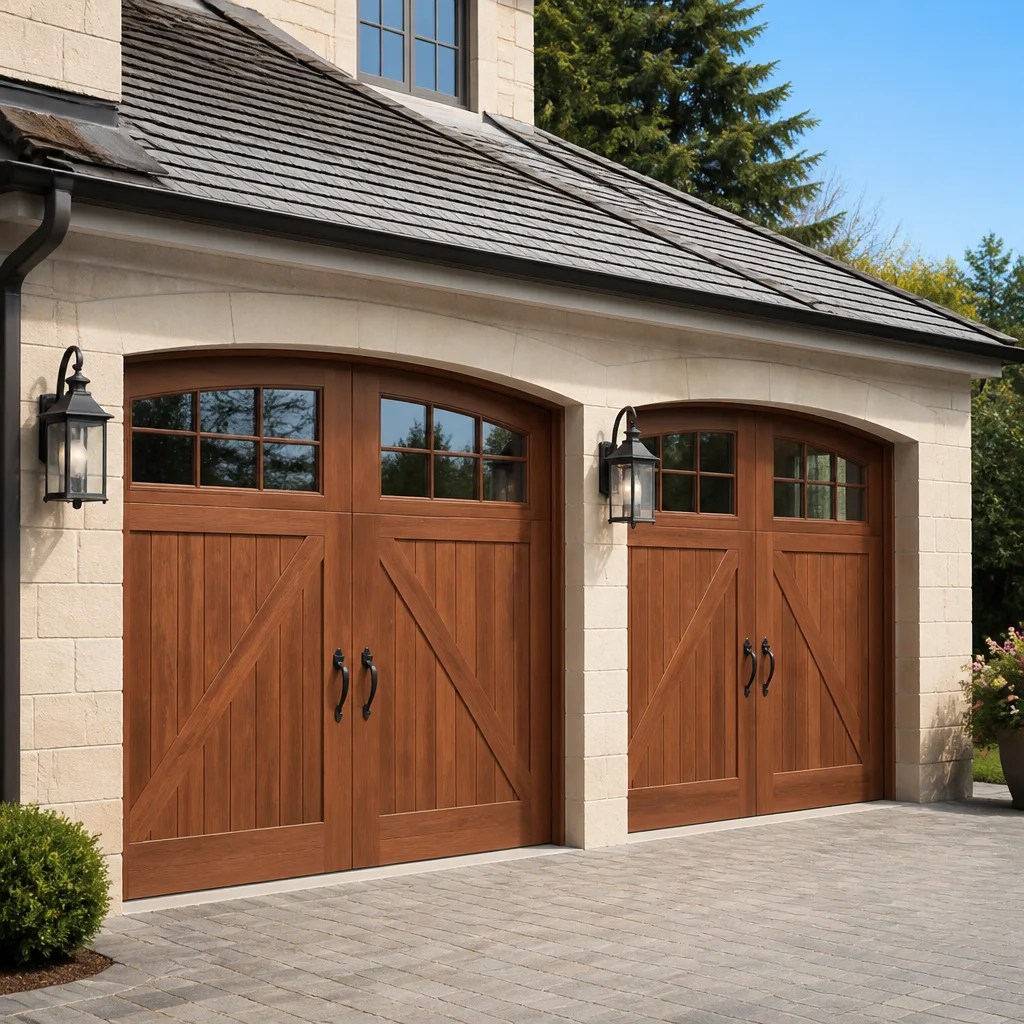 Carriage house
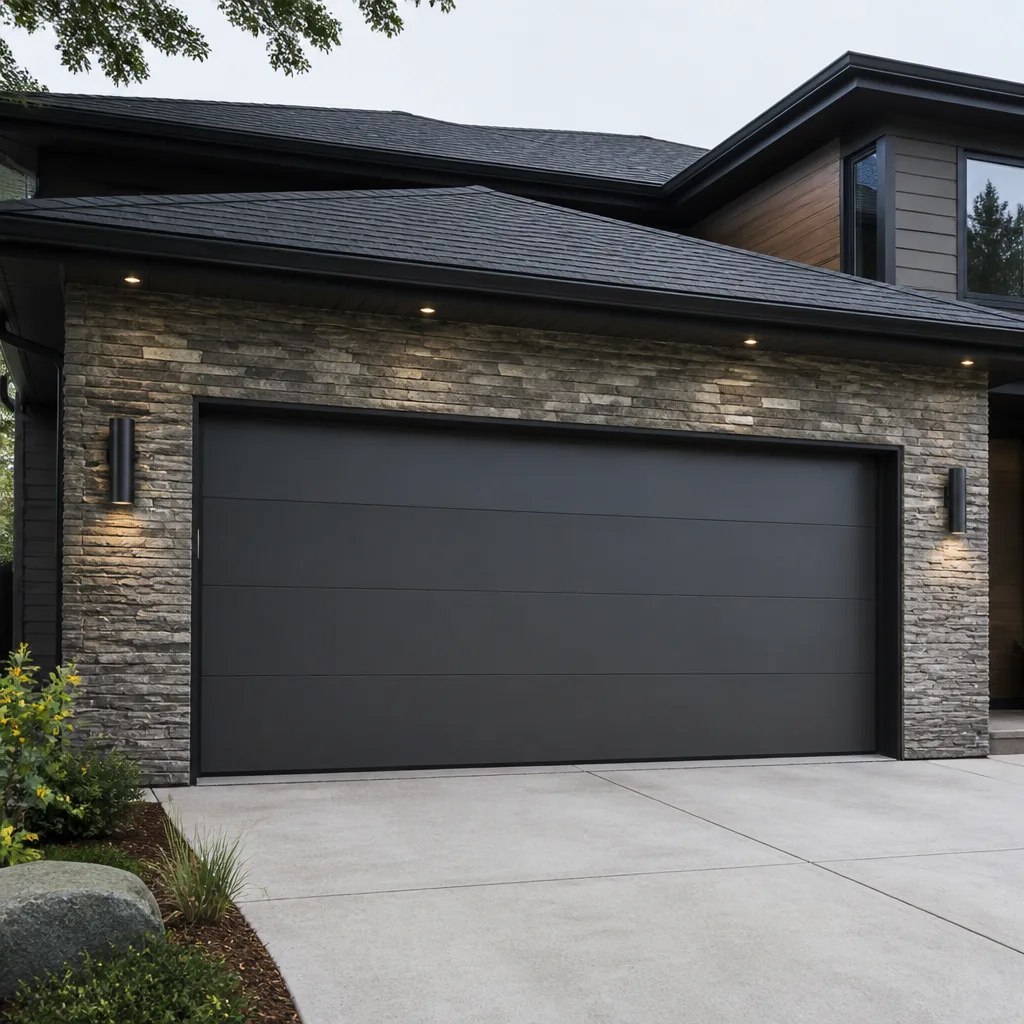 Modern flush
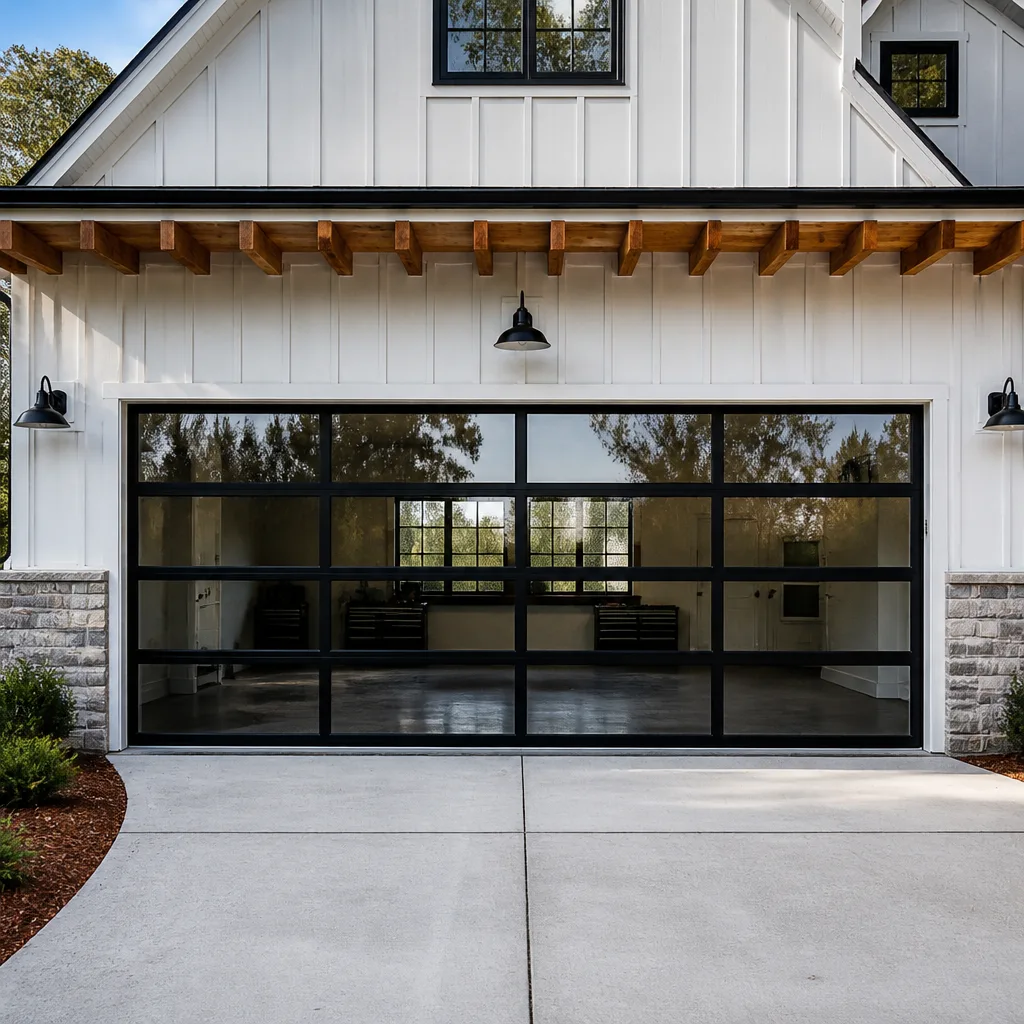 Full-view glass
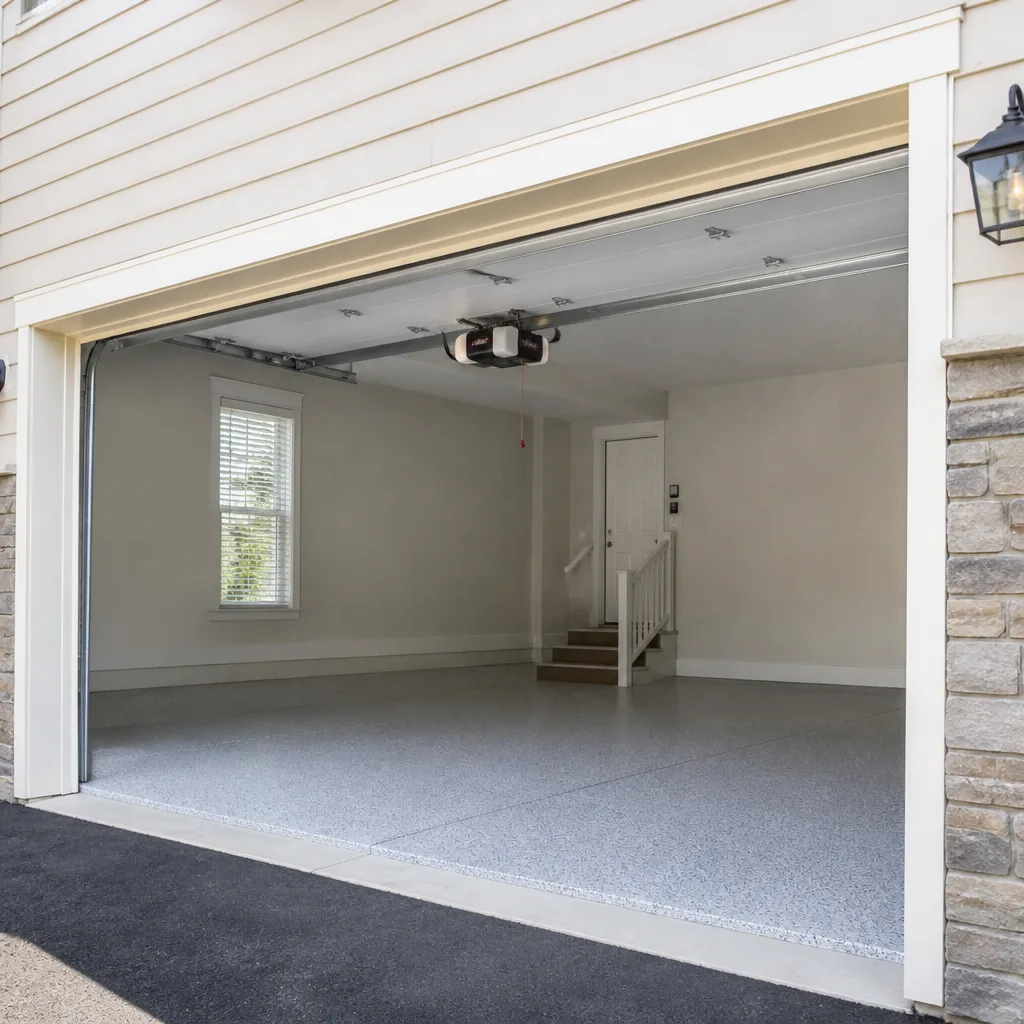 LiftMaster openers
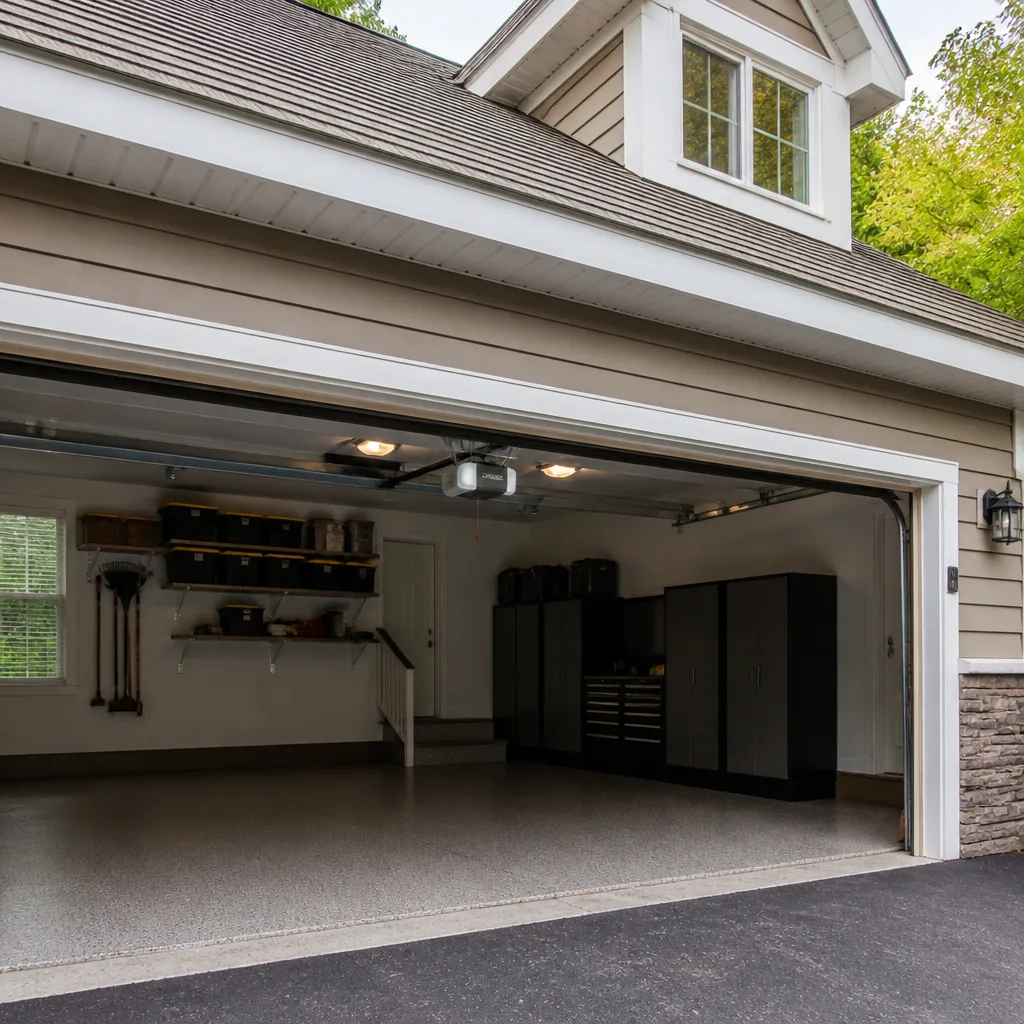 Chamberlain openers
Full 25-point door and opener safety check with every visit - springs, cables, rollers, tracks, and your LiftMaster or Chamberlain opener included
You get a price before we start. It does not change when the pro arrives.
Get your free estimateSeasonal Garage Door Care for Hartford: Year-Round Homeowner’s Guide
Most Hartford homeowners assume winter is the season that breaks garage doors. In our experience, it’s spring. A door that spent January and February under constant tension in sub-freezing air doesn’t fail in the cold – it fails in March, when the temperature swings from 20°F to 50°F in the space of a week and the metal finally gives. The seasons here each stress a different part of the system, and the care that actually helps is the care matched to that stress. This guide walks through what each Hartford season does to your door, spring through winter, and ends with a task calendar built around Connecticut’s real freeze dates.
Quick Answer
Garage door care in Hartford should follow the seasons, not a generic quarterly checklist. In spring, watch for spring and cable failure as temperatures swing; in summer, check wood panels and bottom seals for humidity damage and expect opener thermal cutouts; in fall, replace worn weatherstripping before the first freeze so ice can’t bond the door to the floor; in winter, switch to a cold-rated lubricant and free a stuck bottom seal without forcing it. Two inspections a year – one in early spring, one in late fall – catch most of what goes wrong.
Styles & brands we work with
- Raised-panel steel
- Carriage house
- Modern flush
- Full-view glass
- LiftMaster openers
- Chamberlain openers
Table of Contents
- Spring: The Highest-Risk Season for Springs
- Summer: Humidity, Wood Panels, and Opener Heat
- Fall: Sealing the Door Before the First Freeze
- Winter: Lubricant Choice and a Frozen Bottom Seal
- Your Hartford Seasonal Task Calendar
- What a Safe Ground-Level Inspection Looks Like
- Common Mistakes to Avoid
- When to Call a Professional
Spring: The Highest-Risk Season for Springs
Hartford’s spring is the deadliest season for torsion and extension springs, and it has nothing to do with how much you used the door over the winter. It’s the temperature swing. Steel that sat at 15°F for weeks is under the same tension as steel at 70°F, but the metal is more brittle. When March delivers a 50°F afternoon, the spring expands and contracts through a wider range than at any other time of year. That cycling is what fatigues the wire, and fatigue is what breaks springs.
Extension springs are the ones you can see from the floor, running along the horizontal tracks on either side of the door. Torsion springs sit on a shaft above the door and are much harder to inspect safely from the ground. What you can do from the floor is listen and look:
- Listen for the door. A door that creaks, groans, or sounds heavier than it did in January is telling you the balance has shifted.
- Watch the door travel. If it rises unevenly, jerks, or stops partway, the springs or cables are suspect.
- Check the extension springs for gaps. A visible gap in the coil of an extension spring means it has stretched beyond its working range.
- Look at the cables. Frayed strands, kinks, or slack on one side point to a cable problem, not just a spring.
A garage door is a 300-pound moving part, and the springs carry most of that weight. Springs aren’t a DIY repair – and we won’t pretend otherwise. The stored energy in a wound torsion spring can cause serious injury if it releases unexpectedly, which is why a trained technician handles replacement. If your door feels heavy, sounds wrong, or won’t lift, stop using the opener and call for garage door spring repair. Hartford’s spring swing is exactly when we see the most of it.
Summer: Humidity, Wood Panels, and Opener Heat
Hartford summers bring the opposite problem: sustained humidity. If your door has wood panels – common on older homes in the West End and Asylum Hill – that moisture works its way into the grain and the seams. Paint that has cracked or peeled lets water in, the wood swells, and the panels can warp or delaminate. Once a panel warps, it may rub against the track or fail to seat against the frame. The fix is prevention: touch up paint on any bare or cracked spot before summer, and keep an eye on the bottom edge of the door, where water sits longest.
The bottom seal is the other summer casualty. A rubber or vinyl seal that has dried out and cracked lets humid air and insects into the garage, and it won’t do its winter job of keeping ice out. Run a hand along the seal (with the door down) and feel for hard, brittle sections or visible gaps at the floor. A seal that’s stiff and cracked in August will be worse by December.
Opener thermal cutout is a summer issue more homeowners ask about than any other. Most openers have a thermal protection circuit that shuts the motor down if it overheats. On a July or August afternoon, a garage that’s been in the sun all day can push the opener’s motor past its limit, especially on a door that’s already slightly out of balance and drawing more force than it should. If your opener stops mid-cycle on hot days and works again once it cools, that’s usually the cause. It’s also a signal to have the door balance and the opener’s force settings checked. If the opener itself is failing, that’s garage door opener repair territory, and it’s worth doing before the door gets heavy use again in fall.
Fall: Sealing the Door Before the First Freeze
This is the most important maintenance window of the Hartford year. The first hard freeze typically lands in late October or early November, and once the ground freezes, a door that isn’t sealed properly can bond to the floor overnight. When that happens, the opener tries to lift a door that’s frozen down, the force settings max out, and something has to give – usually the opener’s gear or the door’s balance. Preventing it is simple and cheap compared to the repair.
Fall is when you replace weatherstripping and the bottom seal if they’re worn. Check three things:
- The bottom seal. With the door closed, look for daylight or gaps between the seal and the floor. A seal that’s flattened, cracked, or torn won’t keep water and ice out.
- The side and top weatherstripping. The felt or vinyl strips around the door frame should sit snug against the door when it’s closed. If they’re brittle or missing sections, replace them.
- The threshold. If the floor under the door is uneven or has a low spot, water pools there and freezes first. A proper seal needs a flat surface to press against.
While you’re at it, lubricate the hinges, rollers, and tracks with a cold-rated lubricant – more on the right product in the winter section. Fall lubrication sets the door up to move freely when the temperature drops. And if your door has any panel damage or tracking issues, fall is the time to address them, before the cold makes the metal less forgiving. For a door that’s reached the end of its service life, garage door installation in the fall means the new door is broken in and adjusted before winter load hits it.
Winter: Lubricant Choice and a Frozen Bottom Seal
Winter is where the wrong product does real damage. Standard WD-40 is a light penetrating oil and solvent, not a lubricant built for cold. It evaporates, leaves a thin film that attracts grit, and does nothing to protect metal at 10°F. What a garage door needs in a Hartford winter is a cold-rated lubricant – a silicone-based spray or a lithium grease rated for low temperatures – applied to hinges, rollers, and the torsion spring (carefully, from the ground, never with your hands near the spring). The lubricant has to stay viscous when the thermometer drops, or it stops doing its job.
The frozen bottom seal is the other winter problem, and it’s a common one here. When the seal bonds to the floor, don’t force the door up with the opener – that’s how openers and springs get damaged. Instead:
- Free the seal gently. Use a plastic scraper or a putty knife wrapped in cloth to work along the edge of the seal where it meets the floor. Never use a metal tool that can tear the rubber.
- Warm the area if you can. A space heater aimed at the base of the door, kept well away from anything flammable, can loosen the bond faster than scraping alone.
- Pull the emergency release only as a last resort. Disconnecting the opener lets you lift the door by hand, but only if you can do it safely – a 300-pound door with a disconnected opener is not something to force.
- Fix the cause. If the seal froze, it’s because water got under it and the seal wasn’t tight. That’s a fall job you’ll want to do before next winter.
If your door won’t move at all in the cold, or you hear a snap, that’s garage door repair – a broken spring in January is common, and it’s not something to work around. We answer 24/7. Fast dispatch from 7am to 7pm, Sunday through Friday.
Your Hartford Seasonal Task Calendar
Hartford’s freeze dates drive this calendar. The first hard freeze usually arrives in late October or early November, and the last one in mid-April. Work backward from those dates and the tasks sort themselves. Here’s the schedule we’d give a Hartford homeowner:
- Early March (before the spring swing): Listen to the door, check for uneven travel, look at extension springs and cables from the ground. Book a spring inspection if anything sounds off.
- Late April (after last freeze): Full inspection – balance test, roller and hinge check, opener force and safety-reverse test. This is the spring tune-up window.
- June: Check wood panels for paint cracks and bottom seal for drying. Touch up paint before the humidity peaks.
- July and August: Watch for opener thermal cutout on hot days. If the opener stops mid-cycle repeatedly, get it checked.
- Late September to mid-October (before first freeze): Replace bottom seal and weatherstripping if worn. Lubricate hinges, rollers, and tracks with cold-rated product. This is the single most important window of the year.
- December through February: Keep the seal clear of ice, don’t force a frozen door, and listen for new noises. Any snap or sudden heaviness means a call.
Two full professional inspections a year – one in late April, one in late September – cover the two transitions that matter most. Everything in between is what you can do from the floor with your eyes and ears.
What a Safe Ground-Level Inspection Looks Like
You can learn a lot about your door without touching the high-tension parts. The rule is simple: everything above the door – the torsion spring, the shaft, the cable drums – stays off-limits. What you can do from the floor is check the door’s behavior and the visible hardware. Here’s the sequence:
- The balance test. With the door closed, pull the emergency release (only if you can lift the door safely by hand), lift it halfway, and let go. A balanced door stays put. A door that drops or rises on its own is out of balance.
- The sound test. Open and close the door and listen. Grinding, squealing, or a heavy thud at the end of travel are all signals.
- The visual check. Look at the tracks for bends or debris, the rollers for flat spots, the hinges for loose screws, and the extension springs for gaps.
- The seal check. With the door down, look for daylight under the seal and feel for gaps at the sides.
- The opener test. Put a small block of wood on the floor in the door’s path and close the door. It should reverse on contact. If it doesn’t, the safety reverse is failing and needs attention.
If any of these turn up a problem, the next step is a professional look, not a DIY fix. Our technicians have up to 10 years of experience, and every one of them works on garage doors exclusively – the diagnostic accuracy that comes from a single-trade focus is real. We work on the brand you already have, whether that’s Amarr, Wayne Dalton, Craftsman, or Raynor, and we cover both the mechanical door and the opener in one call. Same specialist, start to finish.
See the difference
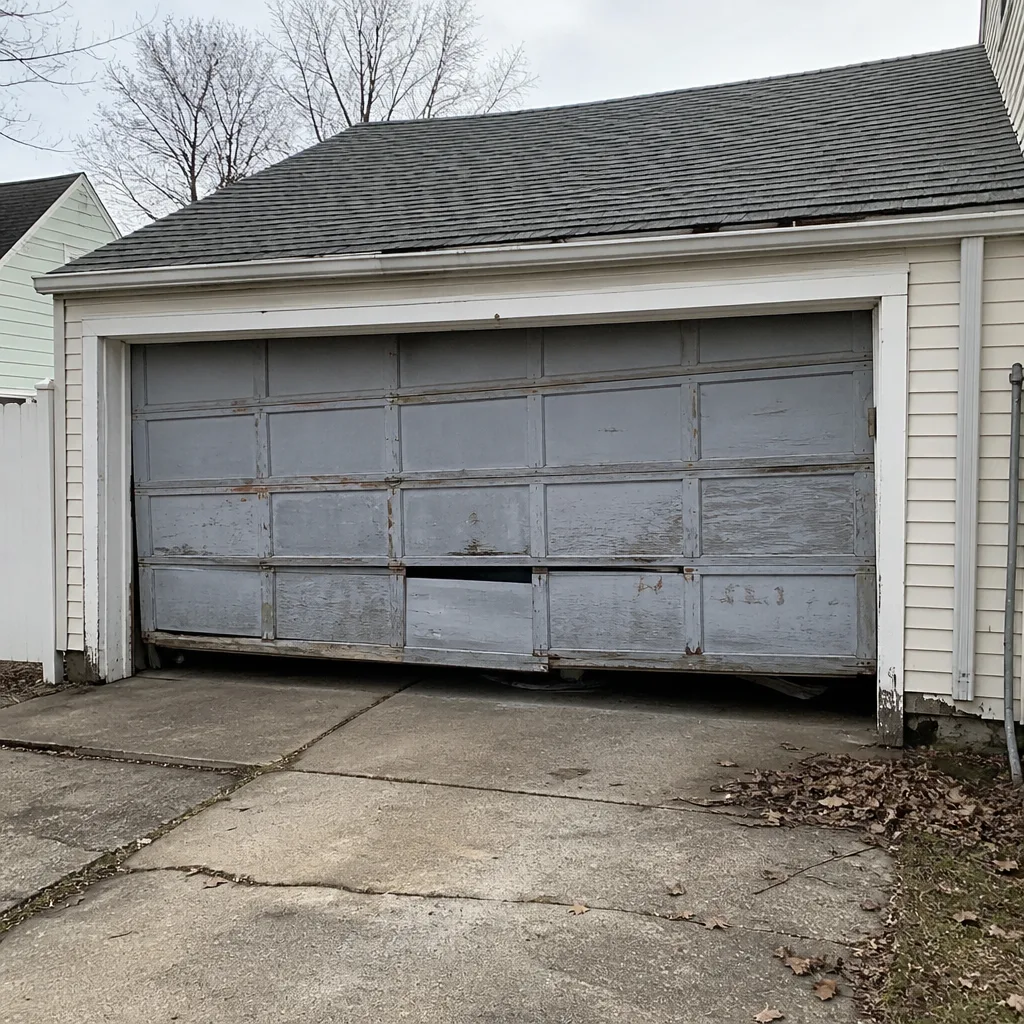 Before
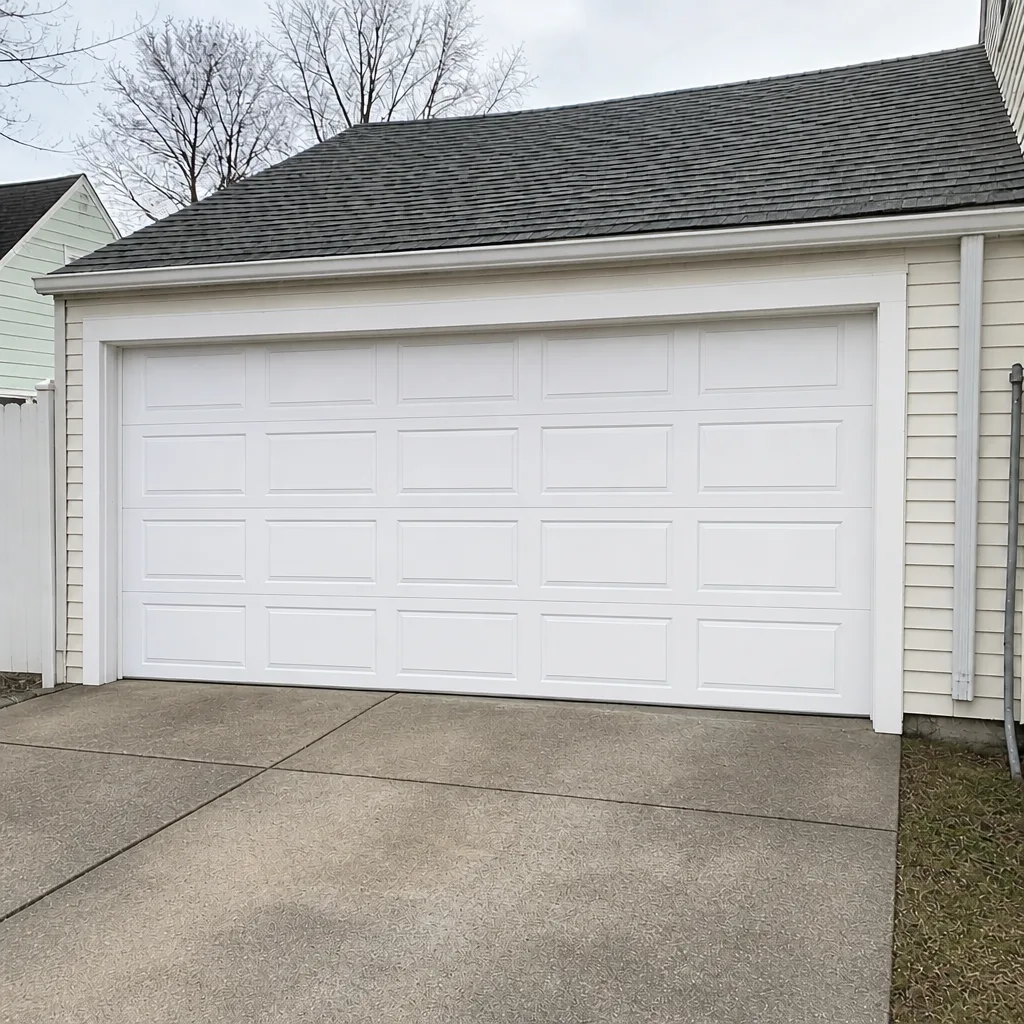 After
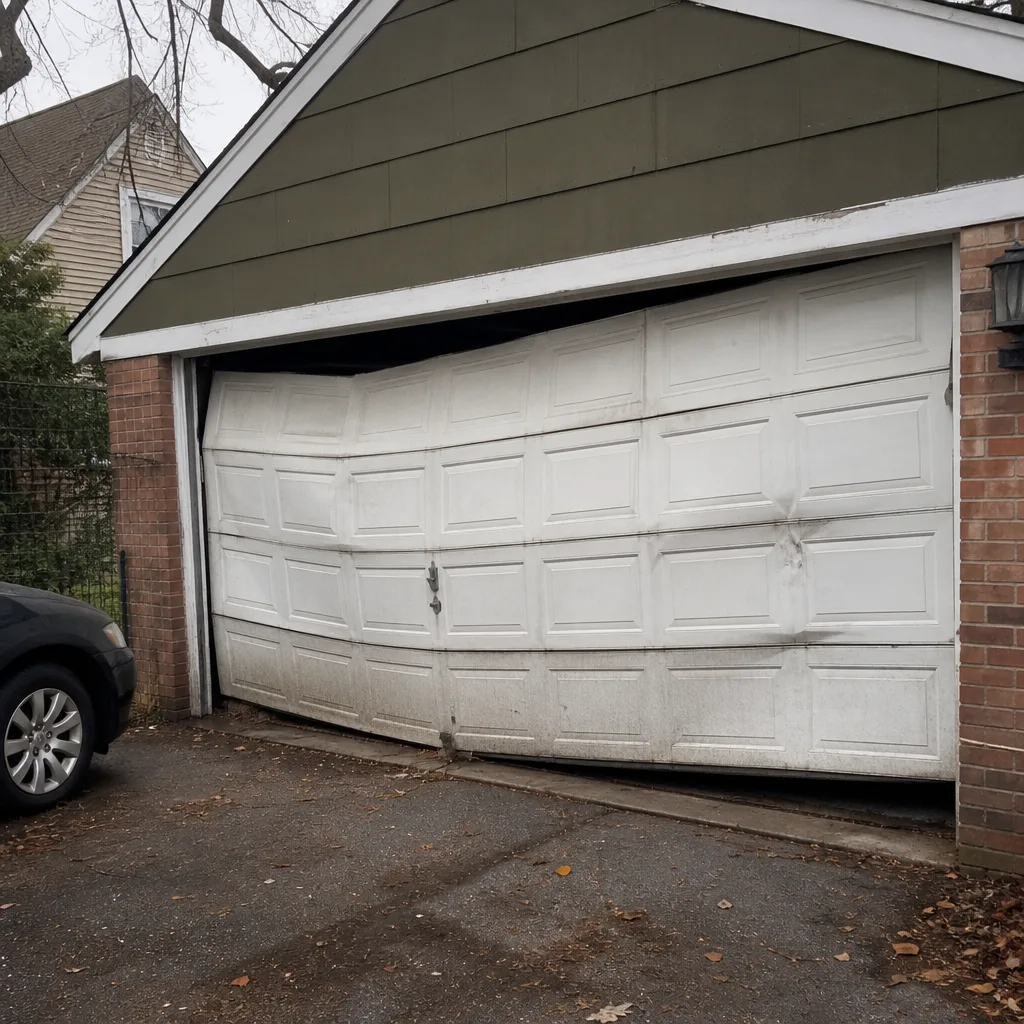 Before
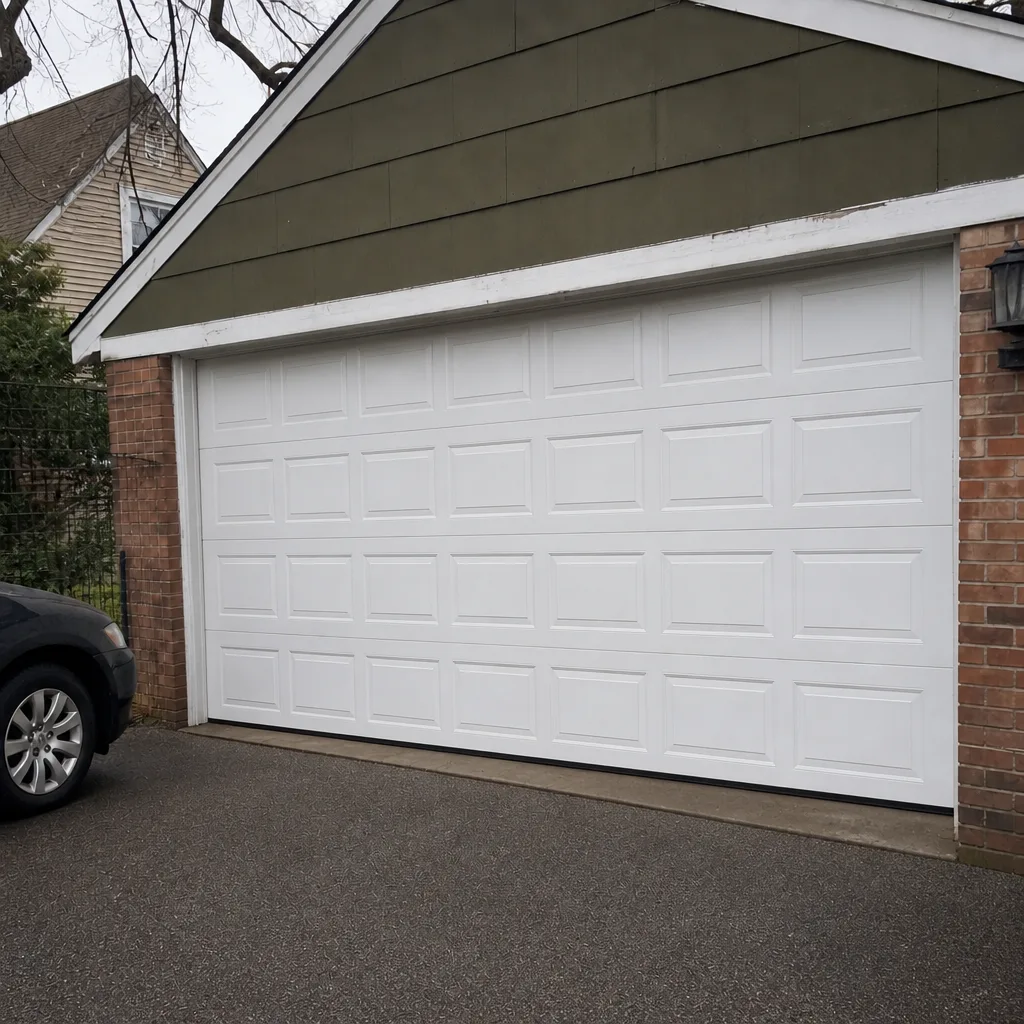 After
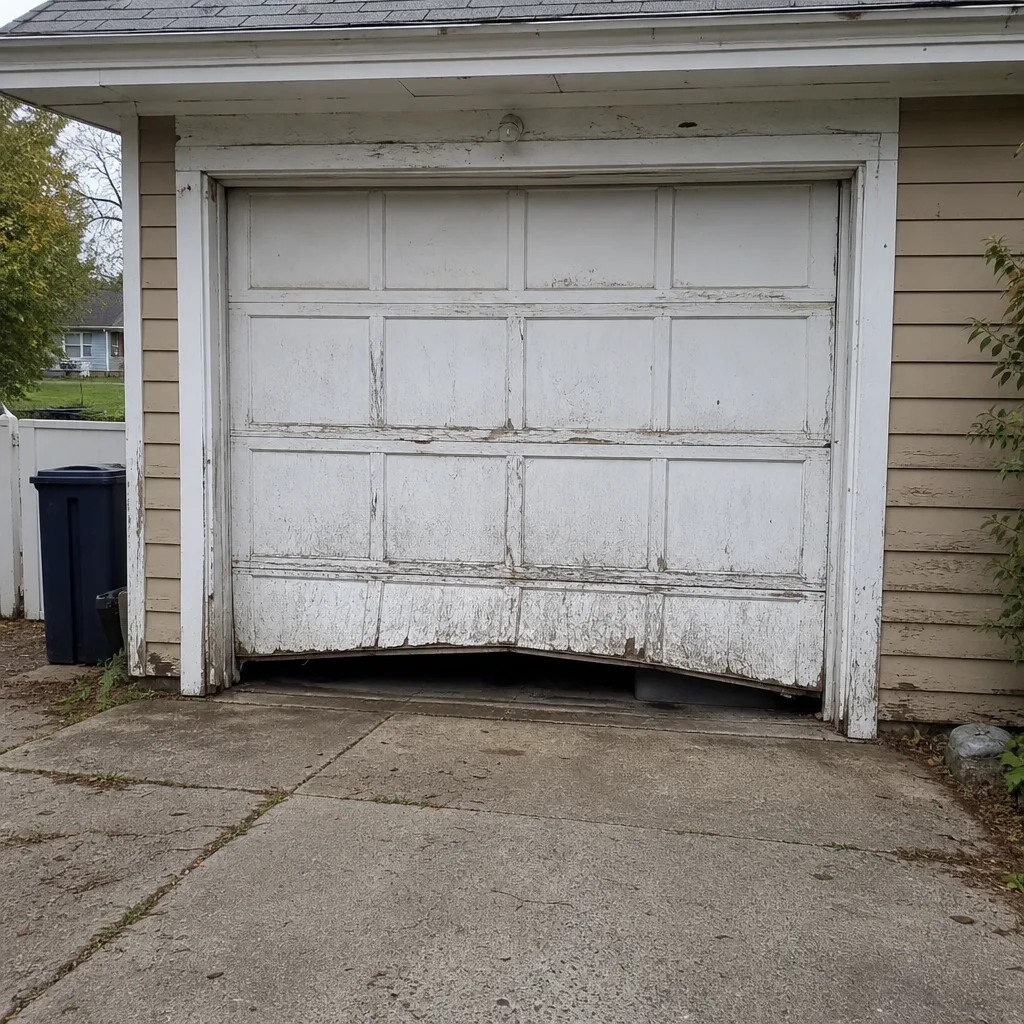 Before
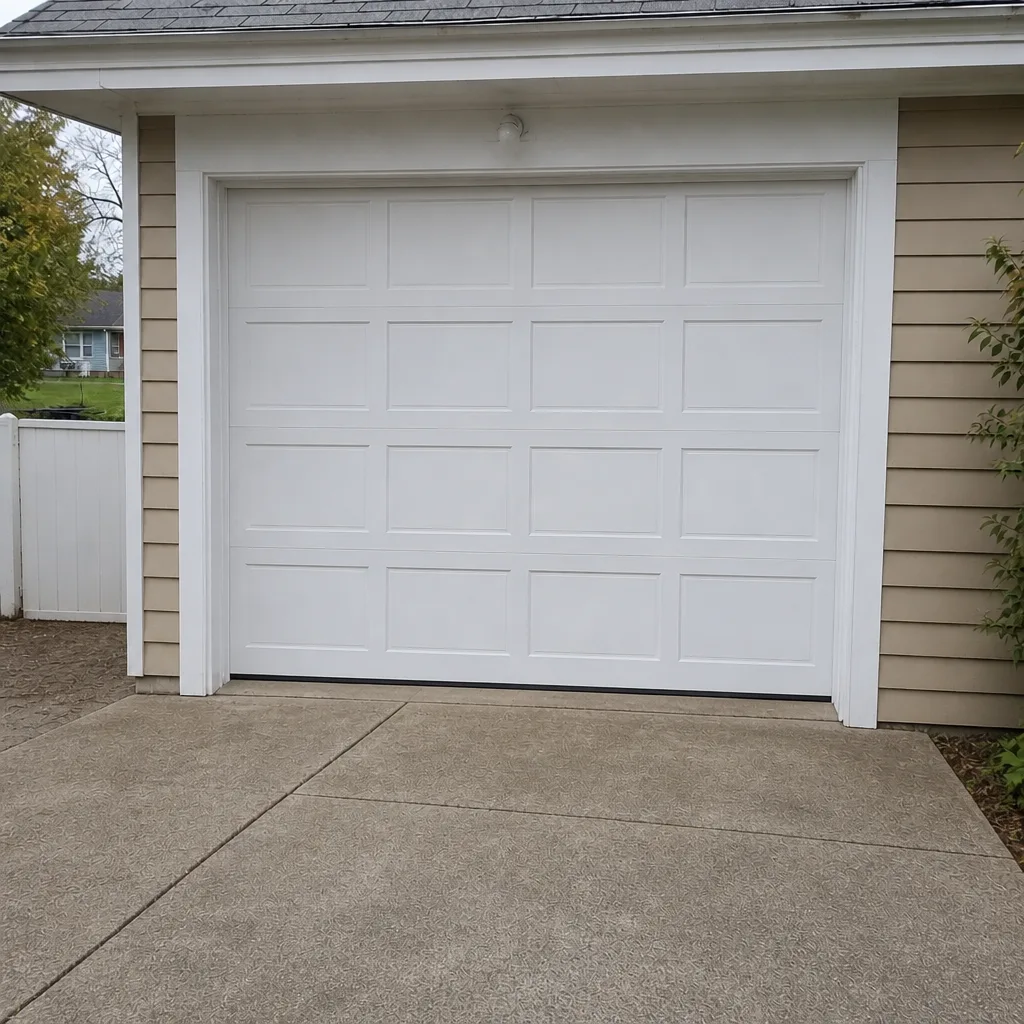 After
Common Mistakes to Avoid
- Running the same checklist every quarter. Hartford’s seasons stress different parts of the door. A spring check in July misses the point; a seal check in March misses the freeze window. Match the task to the season.
- Using standard WD-40 as a lubricant. It’s a solvent, not a cold-rated lubricant. It evaporates and attracts grit. Use a silicone or lithium product rated for low temperatures, especially before winter.
- Forcing a frozen door open with the opener. When the bottom seal bonds to the floor, the opener’s force settings max out and the gear or spring takes the damage. Free the seal first, gently.
- Skipping the fall seal inspection. This is the mistake that costs Hartford homeowners the most. A worn bottom seal replaced in October prevents a frozen-door repair in January.
- Ignoring a door that sounds heavy. A door that gets harder to lift over the winter is telling you the springs are losing tension. Waiting until it snaps means a bigger repair.
- Assuming a summer opener cutout is a dead opener. Thermal protection trips on hot days. If it works again once it cools, the door balance and force settings need checking, not necessarily a new opener.
- Treating a warped wood panel as cosmetic. A panel that swells in July humidity can rub the track or fail to seal by winter. Touch up paint and fix the seal before the damage spreads.
When to Call a Professional
Call a professional when the problem is above the door, when the door won’t move safely, or when a sound or behavior changes and you can’t trace it. Specifically: a snapped or visibly stretched spring, a door that won’t lift or drops on its own, a cable that’s frayed or slack, an opener that reverses on its own or won’t complete a cycle, a door that’s come off its track, or a bottom seal that’s frozen and won’t release. Springs aren’t a DIY repair, and a 300-pound door with a broken spring is a safety hazard, not a weekend project. Hartford Garage Door Repair Co offers free estimates in Hartford – call (833) 482-6140. The local pro is licensed and insured as the state requires, the price is quoted and agreed before any work starts, and the written estimate sets the final price. When the door won’t move, we do.
Frequently Asked Questions
Spring is the highest-risk season, not winter. The rapid temperature swing from sub-freezing to 50°F in March accelerates metal fatigue on springs that spent winter under constant tension. If your door sounds heavy or travels unevenly in early spring, get it checked before the daily use picks up. Call (833) 482-6140 for a free estimate.
No. Standard WD-40 is a light penetrating oil and solvent, not a cold-rated lubricant, and it evaporates and attracts grit. Use a silicone-based spray or a lithium grease rated for low temperatures on hinges, rollers, and tracks. If you’re not sure what’s safe to apply, call (833) 482-6140 and we’ll walk you through it.
Replace a worn bottom seal and weatherstripping in the fall, before the first freeze, so water can’t get under the door and bond it to the floor. If the seal is already frozen, free it gently with a plastic scraper – never force the opener. Call (833) 482-6140 for a fall seal inspection.
Most openers have a thermal protection circuit that shuts the motor down if it overheats, and a hot Hartford garage can push the motor past its limit on a sunny afternoon. If it stops mid-cycle on hot days and works again once it cools, the cause is usually thermal cutout, often on a door that’s slightly out of balance. Call (833) 482-6140 to have the balance and force settings checked.
Twice a year, timed to the two seasonal transitions that matter most: late April, after the last freeze, and late September, before the first. Those inspections catch spring fatigue, balance problems, and seal wear before they turn into repairs. Call (833) 482-6140 for a free estimate.
No. The price is quoted and agreed before any work starts, and the written estimate sets the final price. We don’t add a service-call fee or a diagnostic fee. Call (833) 482-6140 for a free estimate – we answer 24/7 and dispatch from 7am to 7pm, Sunday through Friday.
The Bottom Line
Hartford’s four seasons each break a different part of the garage door, and the care that helps is the care matched to the stress of that season. Spring is the spring-failure season, not winter. Summer is about humidity on wood panels, bottom seal condition, and opener thermal cutout. Fall is the seal-and-weatherstripping window before the first freeze, and it’s the most important one. Winter is about cold-rated lubricant and freeing a frozen seal without damage. Two professional inspections a year, timed to late April and late September, cover the transitions. Beyond that, listen to the door, check what you can see from the floor, and leave everything above the door to a trained technician.
If your door is due for its spring or fall inspection, or something sounds wrong right now, call Hartford Garage Door Repair Co at (833) 482-6140 for a free estimate. We answer 24/7. Fast dispatch from 7am to 7pm, Sunday through Friday. We work on the brand you already have, and the same specialist sees the job start to finish. Visit Hartford Garage Door Repair Co to see our full range of services.
Written by the team at Hartford Garage Door Repair Co.