
Last updated November 23, 2026
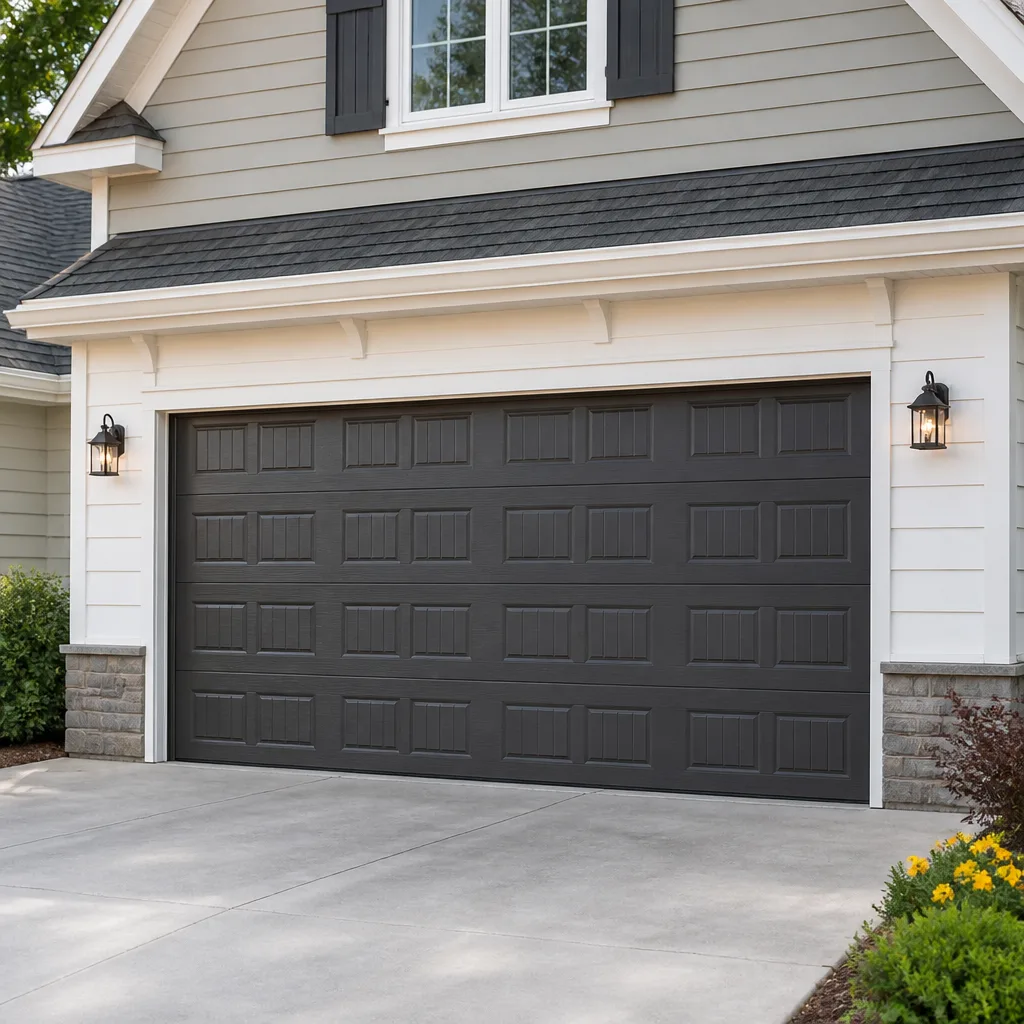 Raised-panel steel
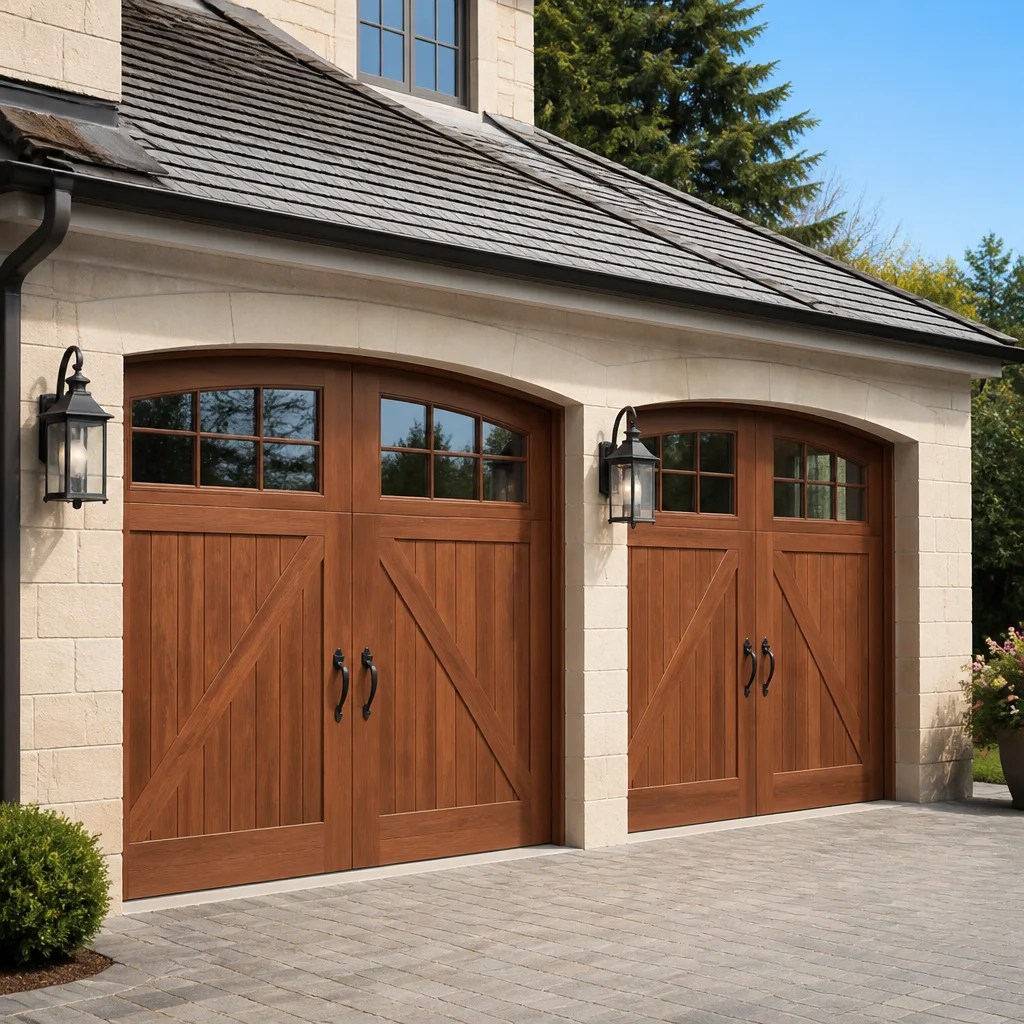 Carriage house
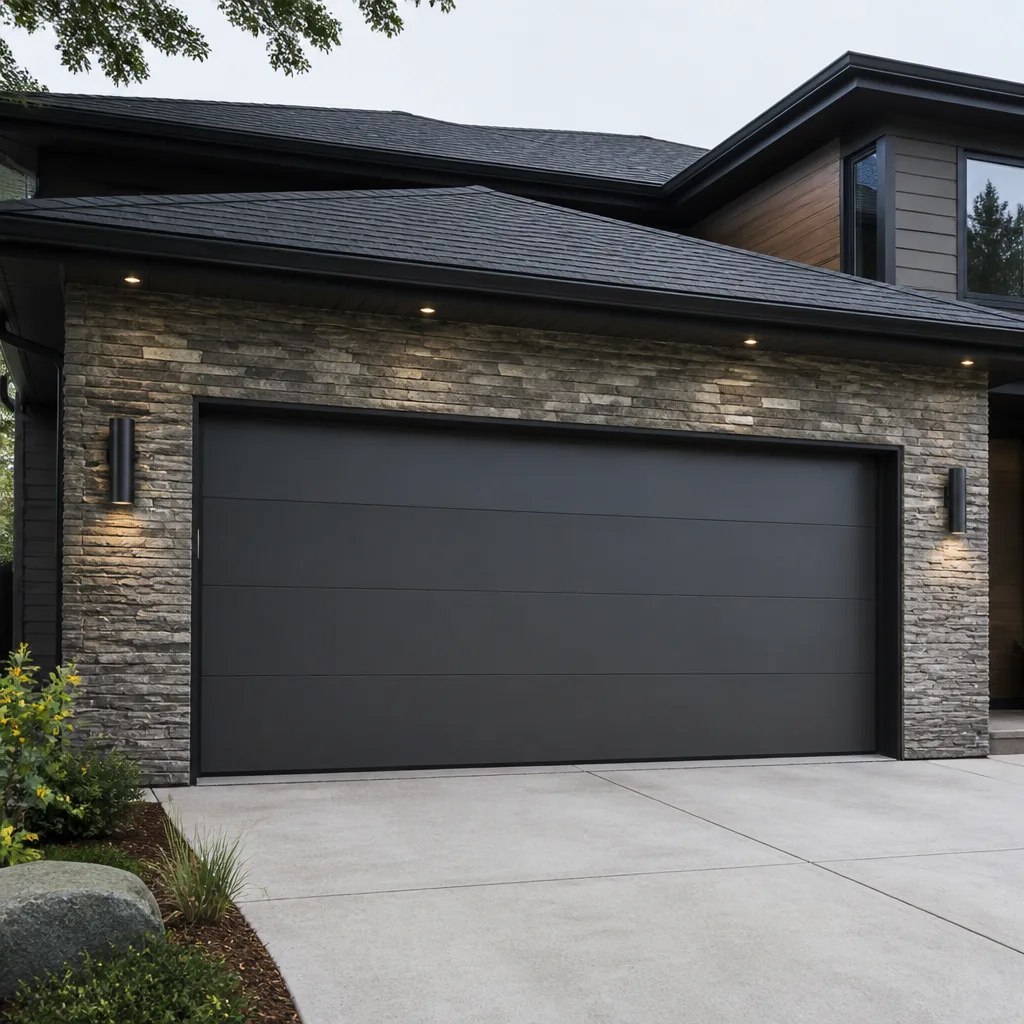 Modern flush
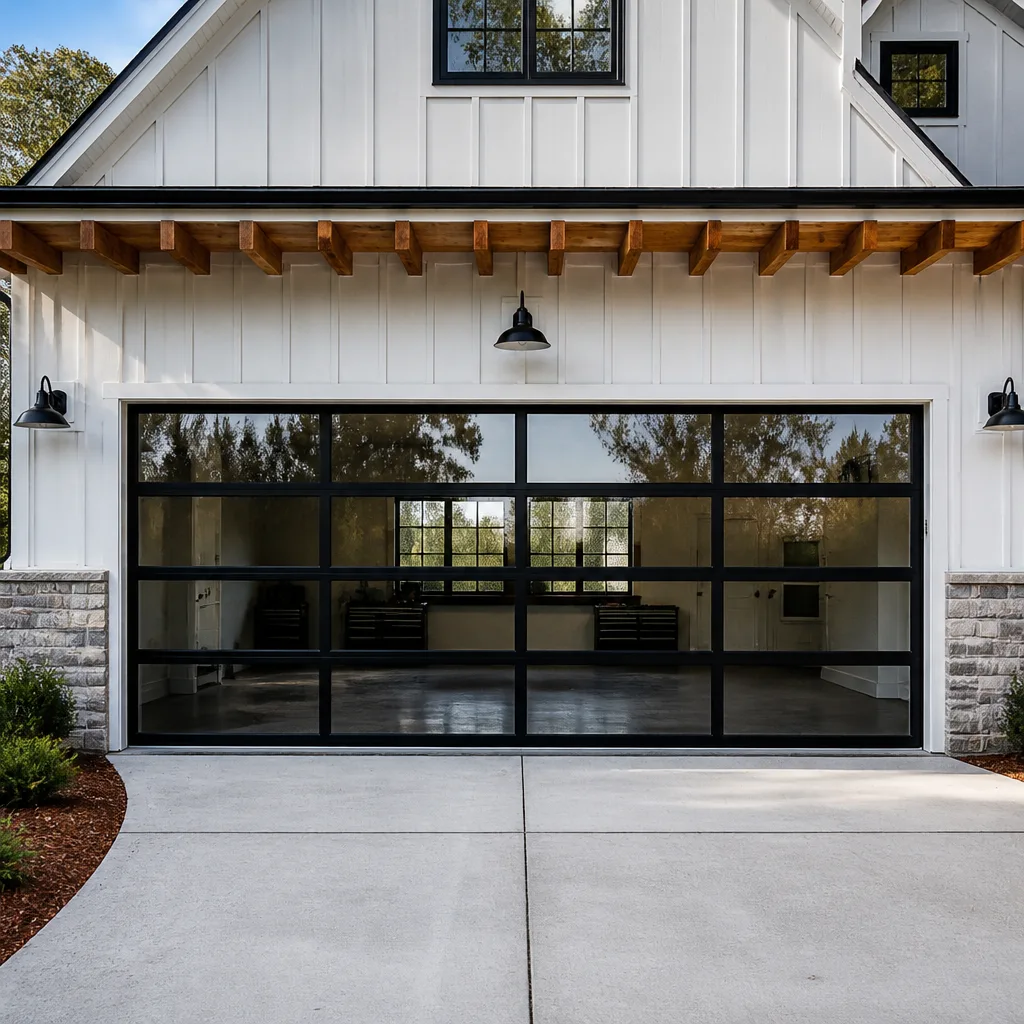 Full-view glass
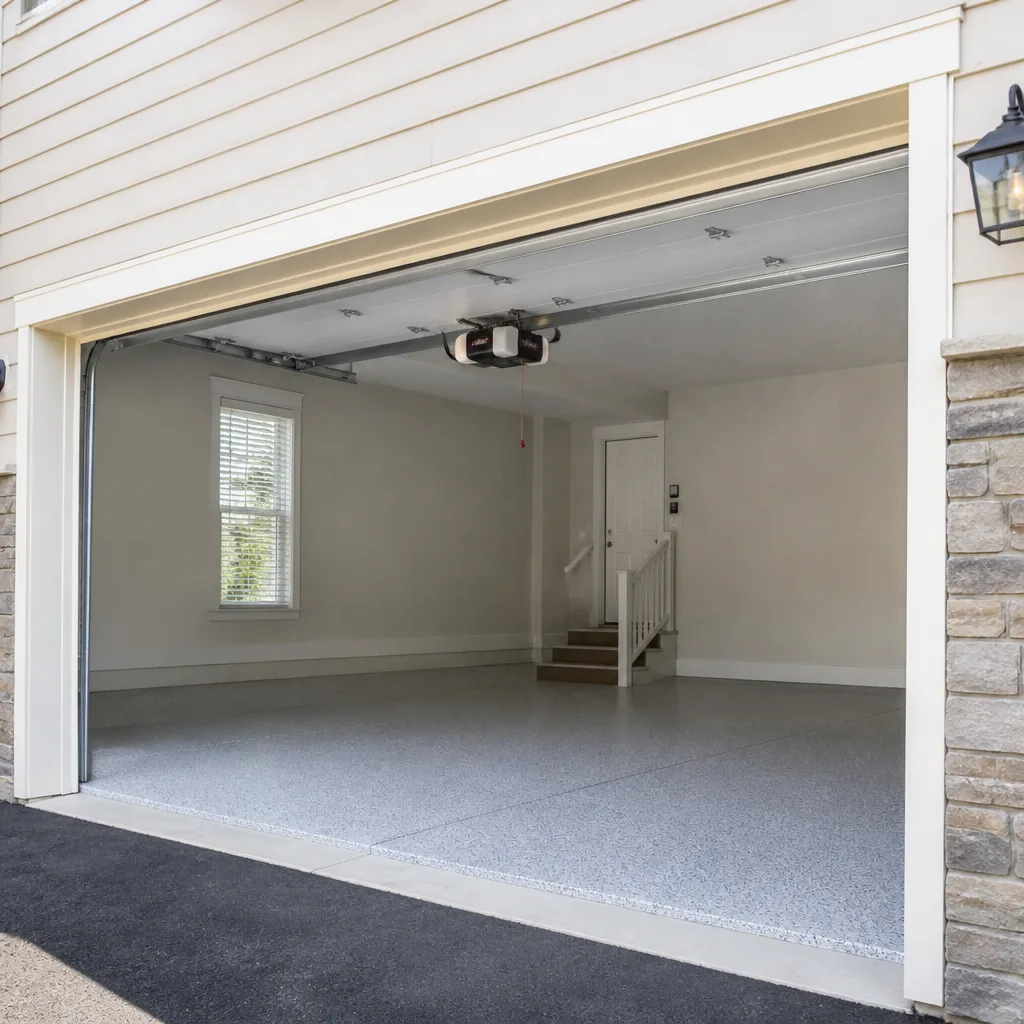 LiftMaster openers
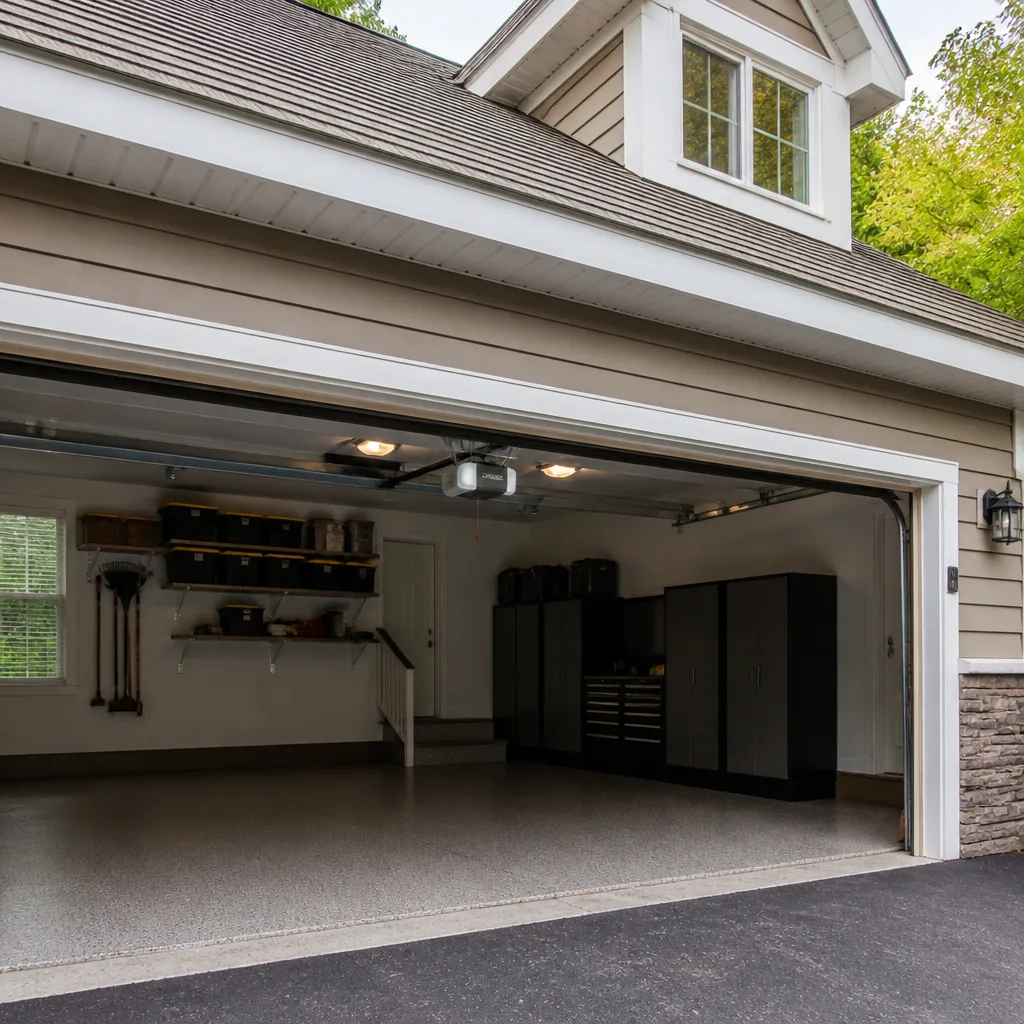 Chamberlain openers
Full 25-point door and opener safety check with every visit - springs, cables, rollers, tracks, and your LiftMaster or Chamberlain opener included
You get a price before we start. It does not change when the pro arrives.
Get your free estimateThe Complete Guide to Garage Doors in Hartford
Most Hartford homeowners pick a replacement garage door the way they’d pick a front door color: they look at the photo, like the panel style, and sign the estimate. Two winters later the bottom section has rusted along the seam, the panels have started to bow, and the door they chose for looks is the door they’re now trying to keep from shaking. The truth is that a garage door in Hartford has to survive conditions that a showroom photo never shows you: a freeze-thaw cycle that can swing dozens of times in a single winter, aged garages built into tight lots, and a climate zone that punishes the wrong insulation choice. This guide walks through the decisions that actually matter here – material, insulation, opener, rough opening size, and service timing – so your next door fits the weather and the house, not just the catalog.
Quick Answer
The garage doors that work best in Hartford are insulated steel or steel-backed doors rated for a cold climate, sized to whatever your rough opening actually is (often non-standard in older Hartford homes), paired with a belt-drive opener that holds up to temperature swings. Match the material to the freeze-thaw cycle first, match the insulation to the climate zone second, and choose the opener last. Get that order right and the door stays stable, quiet, and thermally useful for its full service life.
Styles & brands we work with
- Raised-panel steel
- Carriage house
- Modern flush
- Full-view glass
- LiftMaster openers
- Chamberlain openers
Table of Contents
- Why Hartford’s Freeze-Thaw Cycle Breaks Doors That Do Fine Elsewhere
- What Hartford’s Older Housing Stock Means for Your Rough Opening
- Insulation and R-Value in Hartford’s Climate
- Choosing an Opener for Hartford’s Temperature Swings
- The Material Decision Tree: Steel, Wood, and Composite
- Putting It Together: One Decision, Not Four
- When to Repair and When to Replace in Hartford
- Seasonal Maintenance for Hartford Doors
Why Hartford’s Freeze-Thaw Cycle Breaks Doors That Do Fine Elsewhere
Hartford sits in a climate where a hard winter is not one long freeze but a repeating cycle of thaw and refreeze. In a typical season you can reasonably expect 20 or more freeze events – days where the temperature climbs above freezing and then drops back well below it. That single pattern is the most destructive thing a garage door meets in this part of Connecticut, and it explains why doors recommended by national spec sheets sometimes fail here faster than the specs suggest.
What actually happens: moisture gets into seams, joints, and the gap at the bottom of the door, freezes, expands, and works the material apart incrementally. Steel doesn’t crack at first; it rusts from the inside seam outward. Wood swells slightly, dries, swells again, and the paint film chips a little more each cycle. Panels that are bonded together – and many cheap ones are – delaminate as the layers move at different rates. A door that spends its winters in a single long freeze doesn’t put its material through this kind of repeated stress.
What this means for a Hartford door:
- Seams and bottom edges are the failure points. The first place you’ll see rust on a steel door is along the bottom rail and inside the panel seams, not on the broad flat face. Look there first when you inspect a door.
- Paint is doing structural work. On steel and wood, a maintained exterior coating is the barrier that keeps moisture out of the seams. Once it’s compromised, the freeze-thaw cycle has an entry point.
- Cheap composite panels show it fastest. Thin skin over a foam core can delaminate quickly when water reaches the seam and expands. Panel weight is not the only test of durability.
- Weatherstripping matters more here. A bottom seal that no longer presses against the threshold lets in meltwater and slush, which then refreezes in place. That single strip of rubber is one of the highest-value parts on any Hartford door.
None of this means a steel door isn’t the right choice here. Steel is the workhorse material in this market for good reasons. It means you should choose it, and maintain it, with the freeze-thaw cycle in mind rather than pretending Hartford is a mild-climate town. In our experience, doors that are inspected for seam and bottom-edge condition once a year get through many more winters than doors that only get looked at when something breaks. That routine check is the difference between a $300 fix and a full replacement down the line.
What Hartford’s Older Housing Stock Means for Your Rough Opening
Hartford has a lot of housing built in the 1940s through the 1970s, and that matters directly if you’re replacing a door. Standard garage door sizes exist on paper, but the rough opening behind an older door is very often non-standard. A garage added to the side of a house in a tight neighborhood lot was framed around the car that existed in that era, not around a modern catalog. When you order a stock replacement and it doesn’t fit, the measurement wasn’t wrong; the assumption that a stock door fits an old Hartford garage was wrong.
Here’s how the process actually goes when we take a measurement for a replacement in Hartford:
- Measure the opening, not the old door. We measure the width and height of the finished rough opening at several points, and check for out-of-square framing. An opening that looks rectangular to the eye can be a half inch or more off from corner to corner.
- Check the headroom above the opening. The distance from the top of the opening up to the ceiling or framing decides which type of door and track you can use. Older Hartford garages often have less headroom than a modern standard build.
- Check side clearance. Vertical tracks and hinges need room beside the opening. Tight lots and brick or masonry construction sometimes crowd the sides.
- Check the backroom. How far the door can travel back into the garage decides whether you have room for a standard sectional or need a low-clearance setup.
- Decide how to address any problem. If the opening is non-standard, the fix is usually a made-to-size door rather than stock. In building terms that’s a custom size, and the honest thing to say is that a non-standard opening means a non-standard price, so get a written estimate for the actual opening before you commit.
Why does this matter more in Hartford than in a sunbelt city? Because a large share of the housing here dates from mid-century construction, and those garages were built with the tolerances of their time. A garage door replacement in a 1960s Hartford home is genuinely a different job than the same job in a house built in the 2010s. Our garage door installation service starts with a measurement of the actual opening, not the assumption that it’s standard. If you want the installation walk-through in detail, that’s the page to read.
Insulation and R-Value in Hartford’s Climate
An insulated garage door in Hartford pays you back in two ways: it keeps the garage itself quieter and more usable, and if the garage shares a wall or ceiling with living space, it reduces heat loss through that wall. Hartford’s climate zone classification is 5A – cool and humid – which is a moderate-cold category, not the deep-freeze spec of northern New England and not the mild spec of the mid-Atlantic.
R-value is the number on the manufacturer’s spec sheet that describes how well the door resists heat flow. It’s useful, but you need to read it correctly before you compare two doors on that number alone:
- Steady-state R-value isn’t the whole story. A high number on paper doesn’t capture the heat that leaks around the perimeter, through the weatherstripping, and through the seams. A door with a good R-value and poor seals underperforms a modest door with excellent seals and weatherstripping.
- Panel thickness tends to track with the number. Thin, single-skin doors usually have low values; thicker insulated sandwich doors do better. Ask for the actual R-value, not the panel description.
- What’s between the skins matters. Continuous foam core holds its value better than a panel with a loose infill, which leaves gaps and moves with the freeze-thaw cycle.
- For climate zone 5A, an insulated door is the default, not the upgrade. An uninsulated door is workable for a detached, unconditioned garage. For an attached garage where the shared wall matters, insulation is the choice that makes sense.
- Watch for R-value claims that are unlabeled or vague. If a manufacturer sells a door on “high insulation” without a rating, that’s a marketing line, not a spec sheet. The same goes for any rating that appears in a brochure but not on the product data sheet – ask for the sheet.
How do you actually use this as a Hartford homeowner? Decide first whether your garage shares a conditioned wall with the house. If it does, treat insulation as required. If it doesn’t, insulation is still worth it for comfort and for keeping the garage stable in a Hartford freeze, but you have more flexibility on the R-value number. Then read the spec sheet for the door you’re considering and compare it to what’s on the estimate. Most people skip this step and wonder later why the door they bought performs like the door they replaced.
Choosing an Opener for Hartford’s Temperature Swings
Openers are not brand-agnostic afterthoughts. A chain-drive opener that works quietly in a mild climate can sound like a bag of rocks in a Hartford garage in February, and a belt-drive unit handles the temperature swing quietly and reliably. The drive type is the single biggest choice most homeowners make with their opener, and the temperature swing in this region should be part of that decision.
What’s actually on the market, and how it behaves here:
- Belt drive: the quietest option, and generally the best match for Hartford’s temperature swings and for attached garages where the door is under or beside living space. The belt stays smooth as the temperature drops. The trade-off is a slightly higher price than a chain drive.
- Chain drive: reliable, more audible, and a common choice for a detached garage where noise is not a factor. Fine functionally; just don’t put one under a bedroom and expect silence in January.
- Screw drive: fast and quiet, with fewer moving parts than a chain. A reasonable fit for Hartford’s attached garages if you’d rather not pay for belt drive.
- Jackshaft (side-mount) openers: a good fit for Hartford’s low-headroom and tight-side-clearance older garages, because the motor mounts beside the torsion bar rather than overhead. Worth asking about if headroom is tight.
The rest of the choice comes down to the electronics. A modern opener should have a safety reverse that you test as part of routine maintenance, a wall control with a light, and a battery backup for any moment when the power goes out. We work on Chamberlain and Genie openers regularly, and both make drive options that fit the profile above. Whichever brand you choose, what matters most is that the opener matches the door’s weight, the ceiling headroom, and the garage’s thermal reality, not just the box that looks best on the shelf. If an existing opener needs attention, the garage door opener repair service covers the electronics and the mechanicals on the same visit, so you don’t have to guess which part is the problem. That matters, because a door that won’t move is sometimes a door problem and sometimes an opener problem, and the two look identical from a distance.
The Material Decision Tree: Steel, Wood, and Composite
Most Hartford homeowners end up choosing between three broad categories, and the right category depends on how the door is exposed and how much maintenance you’re willing to do. Here’s the decision as a numbered path, not a menu:
- Is the door on an attached, conditioned garage? If yes, go insulated steel or a well-insulated composite. Insulation is the priority; the material choice serves it.
- Is the door on a detached, unheated garage? Then steel is still usually the best value. You have flexibility on insulation, and the freeze-thaw cycle is the deciding factor – go with a steel door that has seam-sealed panels and a proper bottom seal.
- Do you want wood for appearance and will maintain it? Wood and wood-look doors can work beautifully in Hartford, but the freeze-thaw cycle is unforgiving to neglected finishes. If you’re the type who repaints and refinishes on schedule, wood can last a long time. If you aren’t sure you’ll keep after it, steel with a wood-grain finish is the safer call.
- Is the door in direct weather exposure – an alley-facing door, a door under a roofline that sheds directly onto it? Then lean harder into steel or a high-quality composite. Wood is more work in these spots.
- Is the rough opening non-standard? Let the opening guide the material spec, not the other way around. Made-to-size doors in steel are often the most practical answer for older Hartford garages.
- Match the opener to the door you chose. A heavier wood door needs a more capable opener than a lightweight steel door. Choose the door, then choose the drive type that can move it quietly.
Steel is the most common choice in Hartford for good reasons: it’s stable, it’s resilient, it takes a factory finish well, and it’s repairable in a way wood is not. Wood is the pick for a homeowner who wants the look and will do the work. Composite is the middle path, strong on durability if the panels are well made. Clopay and Amarr both make products across these categories, so you can compare within one brand family rather than across several catalogs.
Putting It Together: One Decision, Not Four
The mistake most homeowners make with a Hartford garage door is optimizing one variable and creating a problem in another. A quiet belt-drive opener paired with an uninsulated door and a poor bottom seal is a cold, drafty, noisy garage with a nice motor. A beautiful insulated door paired with a chain-drive opener on a low-headroom garage that needed a side-mount is a door that runs right but sounds like it’s fighting the house. The variables are not independent, and this is where a real decision has to be made as a set.
Here’s the logic to hold in your head while you decide:
- Start with the climate. Hartford’s freeze-thaw cycle sets a baseline: pick a material that tolerates repeated freeze and thaw, and pick a door that seals well at the bottom and around the perimeter. Everything else is secondary to that.
- Then go to the building. Your rough opening size, headroom, side clearance, and backroom decide which door and opener combination is physically possible. These are facts about your garage, not preferences; measure them before you choose.
- Then choose insulation based on how the garage is used. Attached and heated living space nearby mean insulated; detached and unconditioned gives you more room to choose.
- Then choose the opener to match the door’s weight and the garage’s ceiling. Belt drive for quiet; side-mount for low headroom; chain drive for a detached garage where noise is not a concern.
- Then check the small stuff. Bottom seals, hinges, rollers, and track are not the glamorous part of the decision, but they’re the parts that fail first in a Hartford winter. A door is a system, and the system is only as good as its least-maintained part.
This is where we come in. We’re a garage door specialist, not a general contractor, and every part of the decision above – measurement, door specification, opener system, installation, and the follow-up service – is something the same specialist handles. Our technicians have up to 10 years of experience, and the specific training that matters here is knowing what a freeze-thaw cycle does to a particular door, particular opener, particular opening. The point isn’t that the decision is complicated; it’s that the pieces have to fit together, and they only do that when the person choosing them knows how they interact.
When to Repair and When to Replace in Hartford
One of the most common questions we get from Hartford homeowners is whether a door that’s losing a fight with winter needs a repair or a replacement. The honest answer depends on where the problem is – the mechanical system can usually be repaired, while a door with structural damage across multiple panels is usually a replacement candidate. Here’s how we think about the decision:
- Spring or opener failure only? That’s a repair, not a replacement. The door itself is fine; one component has reached the end of its service life. A spring, a roller, a hinge, a track section, or an opener logic board can usually be replaced on its own.
- A single damaged panel? Often repairable. Steel doors in particular can have a single section replaced if the model is still available. Whether a panel is available depends on the make and age of the door; ask before you assume.
- Rust at the bottom seam and inside multiple panels? Repairing cosmetic rust is a losing proposition if the metal has started to fail structurally.
- Multiple panels bowed, cracked, or delaminated? That’s a replacement. The door is no longer doing its job, and patching one section leaves the others to fail.
- Repeated, unexplained failure? If the door keeps coming out of adjustment or the opener keeps faulting, the issue may be the door’s weight or balance, not the opener. Diagnose before you replace parts.
The weather itself is a factor in timing. In Hartford, the freeze-thaw cycle makes winter the worst time to ignore a small problem: water finds a compromised seam, freezes, and makes the damage worse. A door that’s starting to rust in October is a much easier and less expensive fix than the same door in March. We work on the brand you already have – Chamberlain, Genie, Clopay, Amarr, and others – so the first step isn’t a replacement quote, it’s a diagnosis of what’s actually failing. For a full-service approach to the mechanical side, our garage door repair service covers springs, tracks, cables, and panels together so the door isn’t fixed in one place and broken in another.
Seasonal Maintenance for Hartford Doors
A garage door that gets a little attention each season lasts much longer in Hartford’s conditions. None of this is complicated, and the value of a two-minute check in the fall and in the spring is surprisingly high. Here’s the sequence we recommend, in the order it matters:
- Fall: inspect the bottom seal and the weatherstripping. The bottom seal is your first line of defense against meltwater getting under the door and freezing. Check that it presses evenly against the floor along its full length.
- Fall: check the perimeter for gaps. A gap at the top or sides lets in drafts and moisture. Most are fixable with weatherstripping.
- Fall: test the safety reverse. Put a small obstacle in the door’s path and confirm the door reverses when it meets it. Do this on every opener, every season.
- Fall: look at the seams of the steel panels. Rust starts at the seams and the bottom edge. If you see early rust, treat it before the freeze-thaw cycle gets a grip.
- Spring: listen to the door. A door that’s quieter in spring than it was in winter may just be warm; a door that’s louder or rougher is telling you its moving parts need attention.
- Spring: oil the moving parts. Hinges, rollers, and the tracks get a light application on the manufacturer’s schedule. Don’t oil the tracks themselves; clean them and wipe them down instead.
- Spring: test the balance. With the opener disconnected, a properly balanced door should stay put around halfway up. A door that drops or rises on its own is out of balance, and that’s a call-a-professional moment.
- Both: watch your door as it closes. If it closes unevenly, drags, or stops short, get it looked at before the next freeze.
One word of caution on the maintenance list: springs and cables are the highest-tension, highest-risk components on any garage door, and they are not a DIY job. The spring is what lifts a 300-pound moving part, and it’s under tension even when the door looks calm. We don’t recommend reaching into the torsion assembly or the spring box yourself; that’s a trained technician’s job, and we won’t pretend otherwise. The checks above are the safe ones to do – look, listen, and test the reverse – and anything involving the mechanical tension should be handed to someone with the training for it.
Common Mistakes to Avoid
- Choosing a door on style alone. A door that looks right in the showroom photo and fails in the freeze-thaw cycle is a door you’ll be replacing early. Match the material and the seals to the climate first, then find the style you like within that set.
- Assuming the rough opening is standard. A Hartford garage built in the mid-century era very often isn’t standard. Measure before ordering, and price the door to the actual opening rather than discovering the mismatch at install.
- Reading R-value without checking the seals. A high R-value on a door with weak weatherstripping doesn’t keep your attached garage warm. The perimeter matters as much as the panel.
- Choosing an opener before the door. The opener has to match the door’s weight and the garage’s headroom. Choose the door, then the drive type that moves it quietly.
- Ignoring rust until panel replacement is the only option. Rust starts at the seam and the bottom edge, and it moves faster in a Hartford winter. Early treatment is a small job; late treatment is a new door.
- Trying to fix a spring yourself. The spring is the most dangerous component on the entire system. We don’t offer a workaround for that, and no honest guide should.
- Skipping the safety reverse test. It’s the one part of routine maintenance that protects people as well as the door, and it takes seconds. Test it every season.
- Replacing the whole door when one part failed. A spring, a hinge, a roller, or an opener fault is not a reason to buy a new door. Get a diagnosis first, then decide.
See the difference
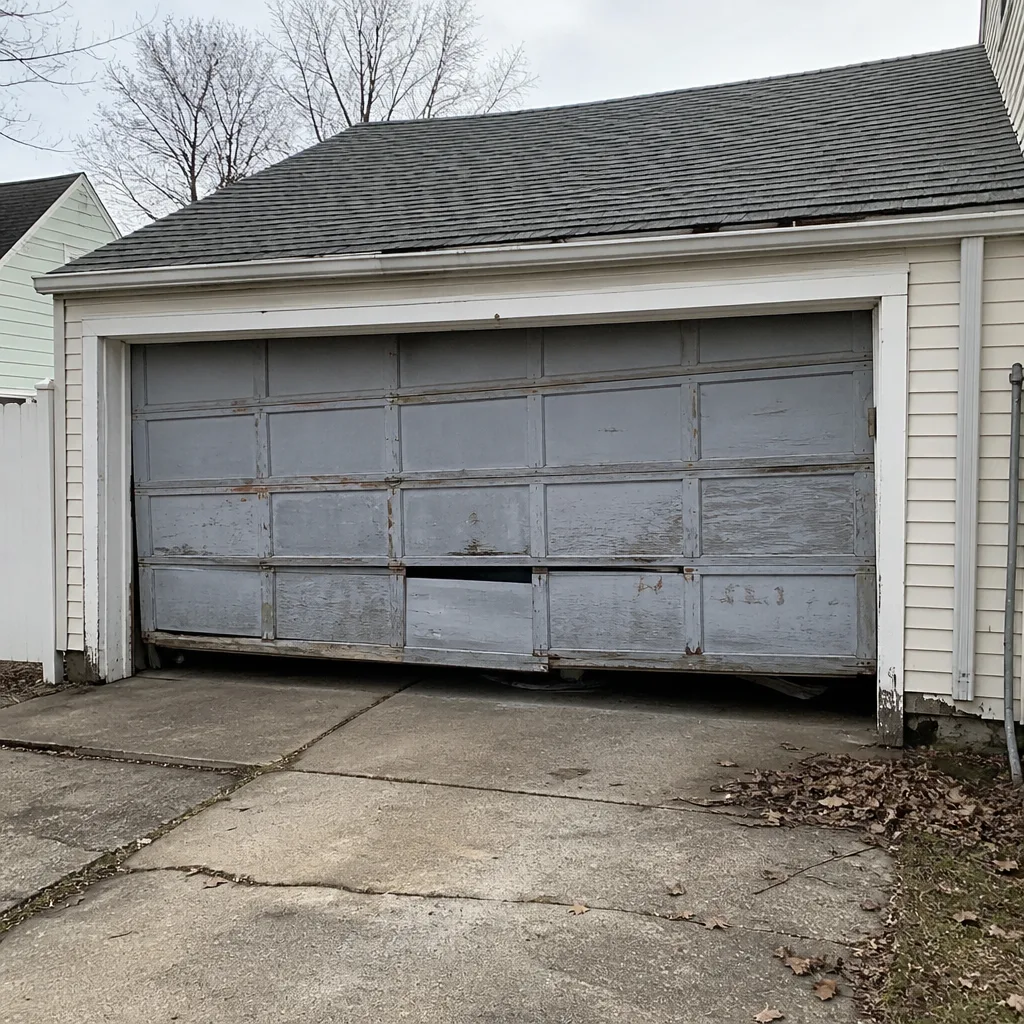 Before
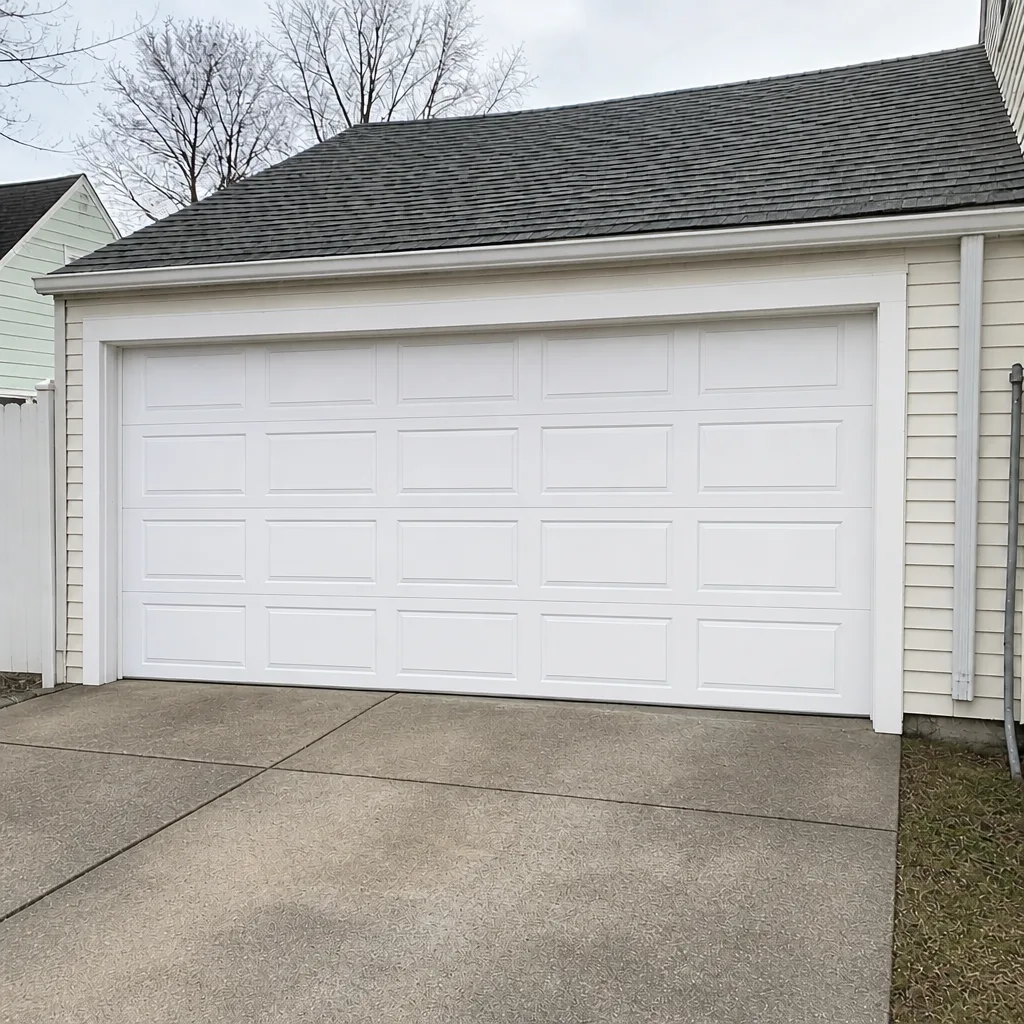 After
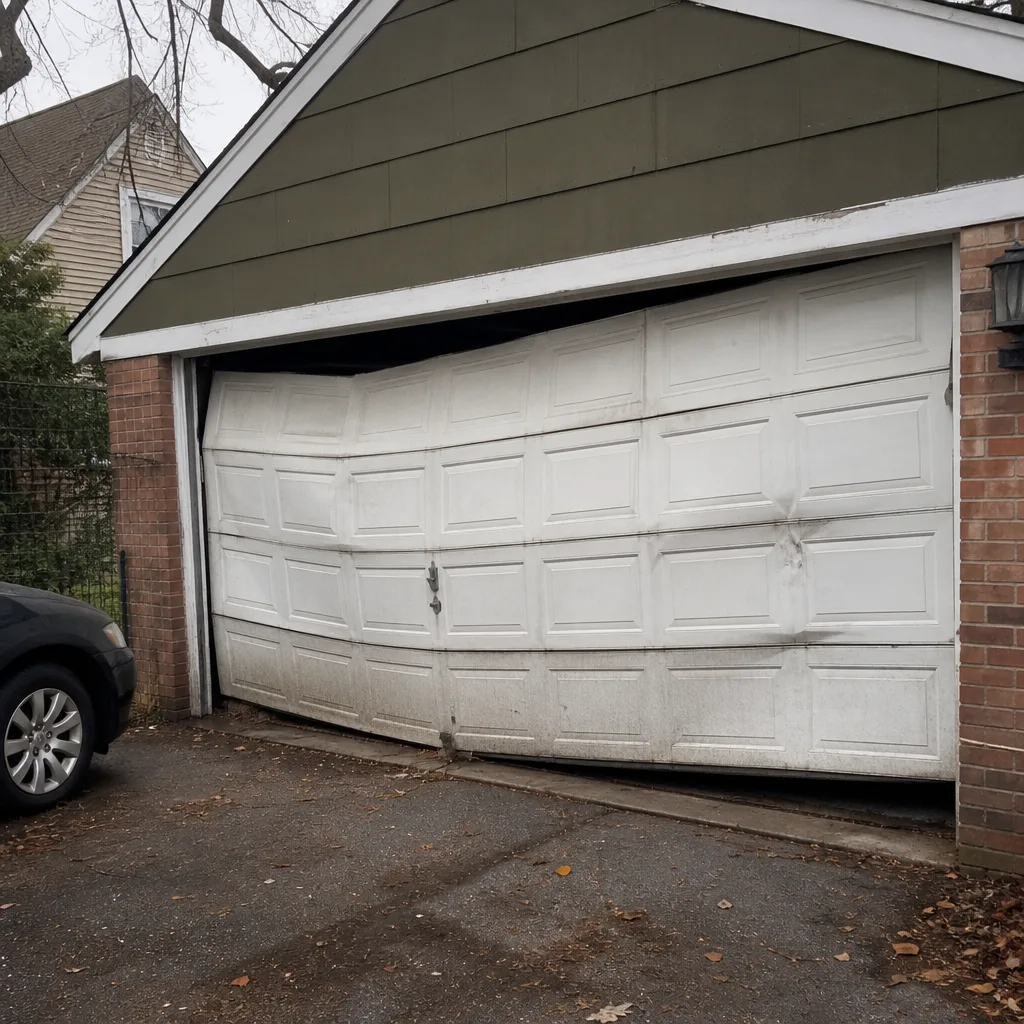 Before
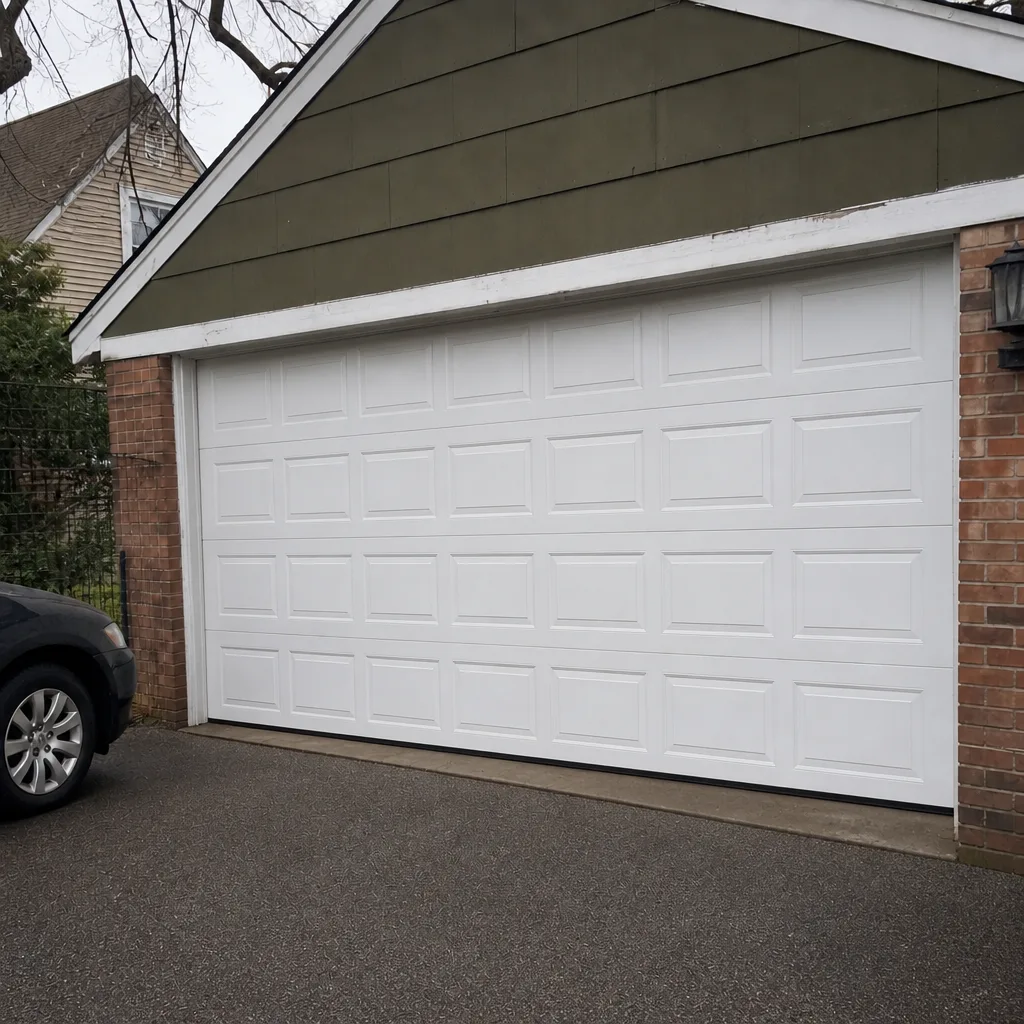 After
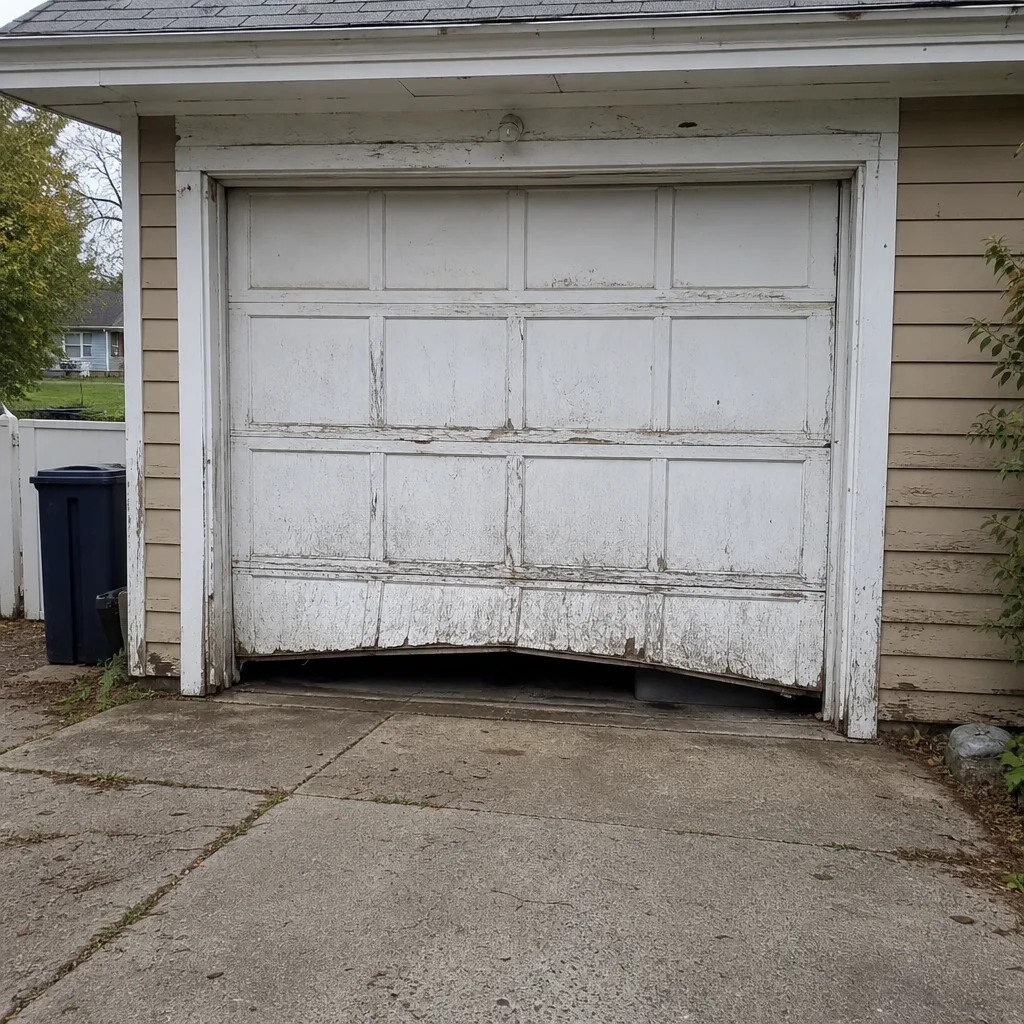 Before
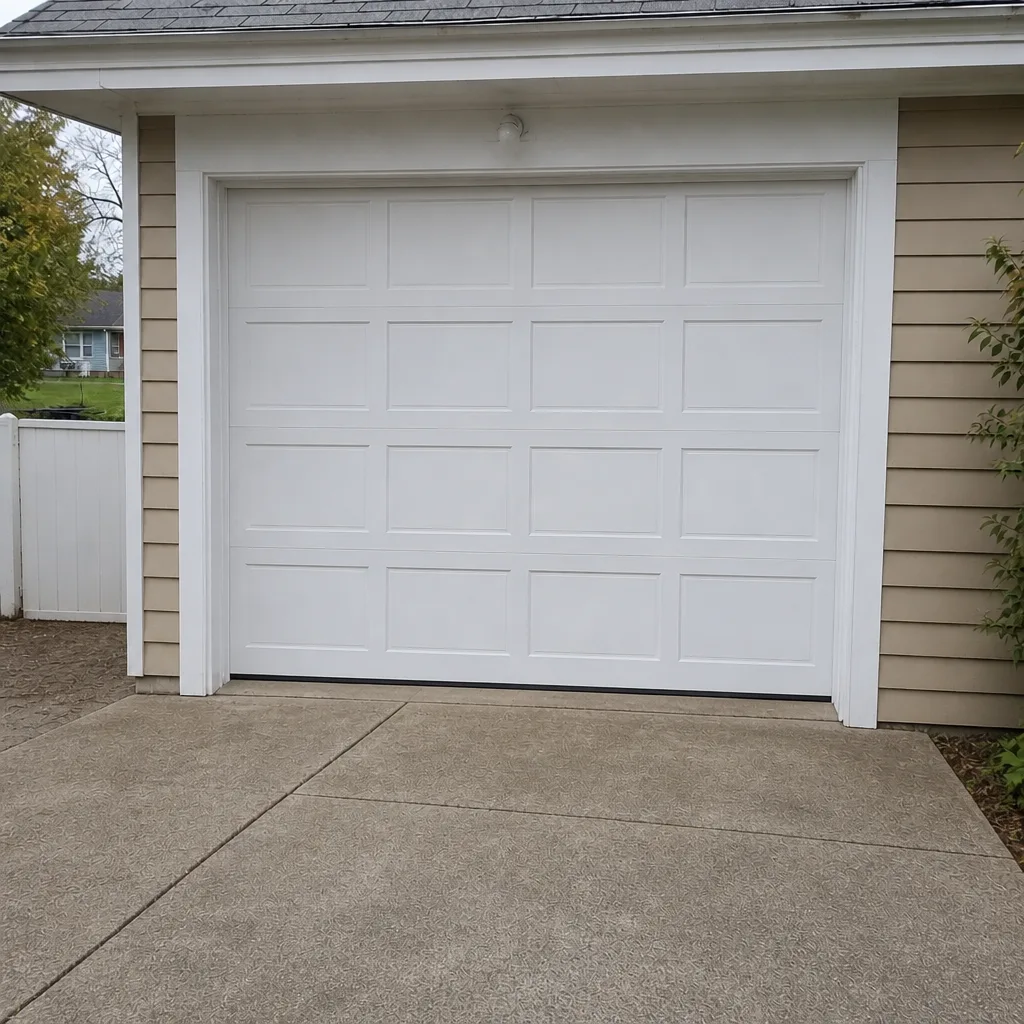 After
When to Call a Professional
Some jobs are safe to do yourself, and a lot of garage door work isn’t. Call a professional when a spring breaks or a cable snaps, when the door comes off one track, when the door is visibly bent or unbalanced, when the opener faults and resets don’t help, or when you’re not sure whether the problem is the door or the opener. Those are the moments when a correct diagnosis saves you from replacing parts that weren’t wrong. A door that won’t close, or won’t secure the house, is also worth a call: a garage door is the largest moving part on the house, and it’s the part you can least afford to leave half-working. Hartford Garage Door Repair Co offers free estimates in Hartford – call (833) 482-6140. We answer 24/7. Fast dispatch from 7am to 7pm, Sunday through Friday. Our technicians have up to 10 years of experience and every call is treated as a garage door job from the start, not a general handyman visit.
Frequently Asked Questions
Insulated steel is the best all-around choice for Hartford’s climate, with well-made composite as a close second for homeowners who want an alternative finish. Steel tolerates the freeze-thaw cycle without warping or swelling, takes a factory finish that holds up, and can be repaired at the panel and seam level. Wood can work, but only if you stay on top of the finish, and the Hartford climate punishes a neglected wood door faster than a mild one. Call (833) 482-6140 for an exact quote on a specific door – estimates are free.
The freeze-thaw cycle is the main reason. Hartford gets freeze events that repeat through a winter season rather than one sustained freeze, and each cycle works moisture into seams and bottom edges, where it freezes, expands, and starts to separate the material. That repeated stress is what breaks down steel at the seams, wood at the joints, and cheap composite panels at their skins. A door with good seals and a maintained finish handles it well; a neglected one shows the effect quickly.
The cost of a new garage door in Hartford depends on the size and condition of your rough opening, the material and insulation of the door, and the opener you pair with it. There’s no honest single number because a standard replacement and a made-to-size door for an older non-standard opening are different jobs. The written estimate is the price you pay, and we give you that estimate in writing before any work starts. Call (833) 482-6140 for an exact quote – estimates are free.
Yes, a broken spring is almost always a spring replacement, not a door replacement. The door itself is usually fine; the spring has reached the end of its service life. It’s one of the most common repairs we do, and it’s also one of the most dangerous to attempt yourself, because the spring is under very high tension. A trained technician handles it safely; we’d strongly advise against a DIY attempt, and we won’t talk you through one. Our garage door spring repair service handles springs and cables together.
No. We quote the price in writing before any work starts, and that estimate is the price you pay. If the diagnosis turns up something the estimate didn’t cover, we talk to you before doing that work; you’ll see the additional cost and agree to it before it’s performed. There’s no surprise invoice waiting at the end. Call (833) 482-6140 for an exact quote – estimates are free.
Very likely, yes. We service eight of the most widely installed garage door and opener brands on the market, including Chamberlain, Genie, Clopay, Amarr, LiftMaster, Wayne Dalton, Craftsman, and Raynor. That covers most of what’s already in Hartford garages, so the first step is a diagnosis of your existing system rather than a replacement pitch. Call (833) 482-6140 and tell us what’s on the door or the opener housing.
The Bottom Line
A Hartford garage door works when the decisions behind it fit the conditions here: a material that survives the freeze-thaw cycle, a rough opening measured rather than assumed, insulation that makes sense for how the garage is used, and an opener chosen to match the door’s weight and the garage’s headroom. Get those in the right order and you avoid the most common Hartford mistake, which is choosing the door on looks and paying for it for the next decade in rust, warping, and heat loss. Get one of them wrong and the others can’t fully make up for it. The good news is that the sequence is knowable, the fix is usually a specific repair or a specific door, and the diagnosis comes before the quote. When you’re ready to work through the decision for your own garage, we’re glad to help with it. Reach Hartford Garage Door Repair Co by phone or start with a free estimate.
Contact Us
If you’ve read the guide and want to move forward, the next step is a free estimate in Hartford. Call (833) 482-6140 for a quoted price on the repair, the replacement, or the measurement that starts the process. We answer 24/7. Fast dispatch from 7am to 7pm, Sunday through Friday. The price is quoted and agreed before any work starts, the written estimate is the price you pay, and our technicians have up to 10 years of experience on the specific system in your garage.
Written by the team at Hartford Garage Door Repair Co.