
Last updated November 23, 2026
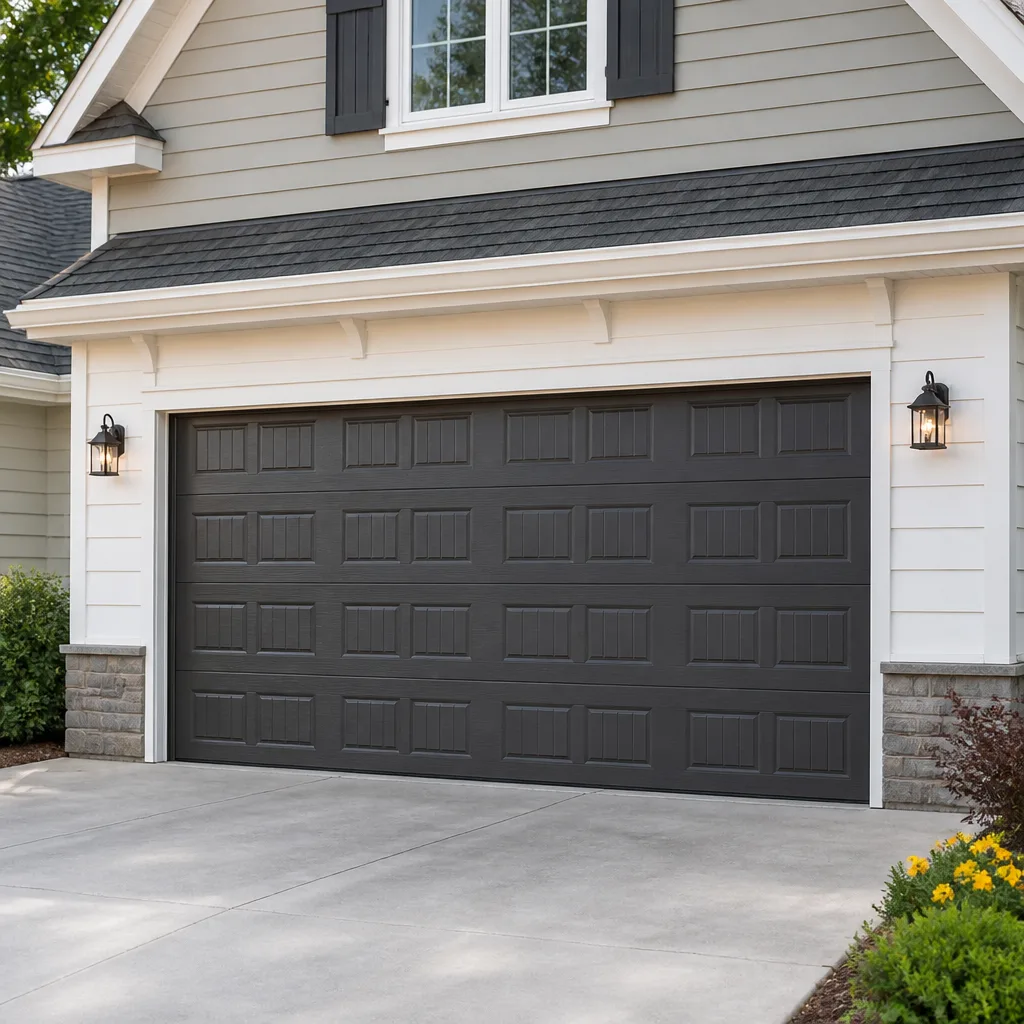 Raised-panel steel
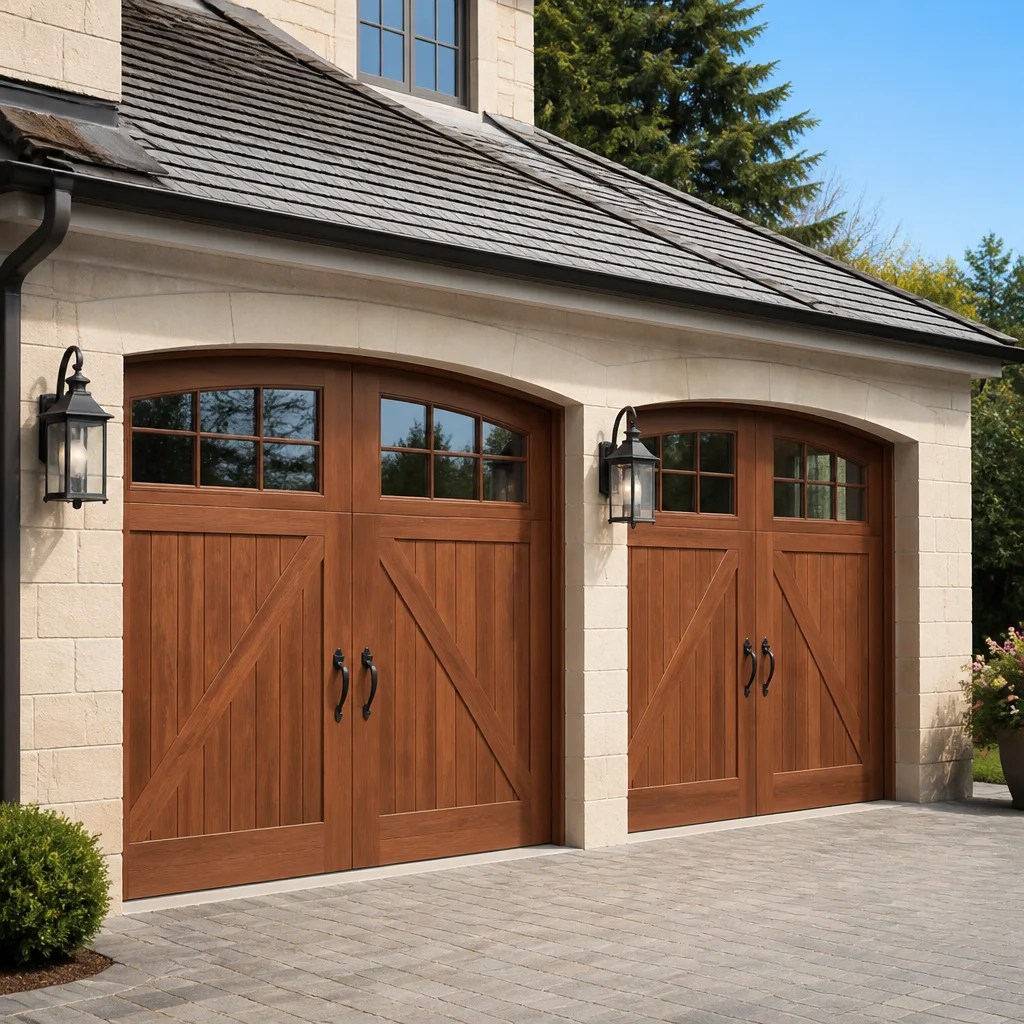 Carriage house
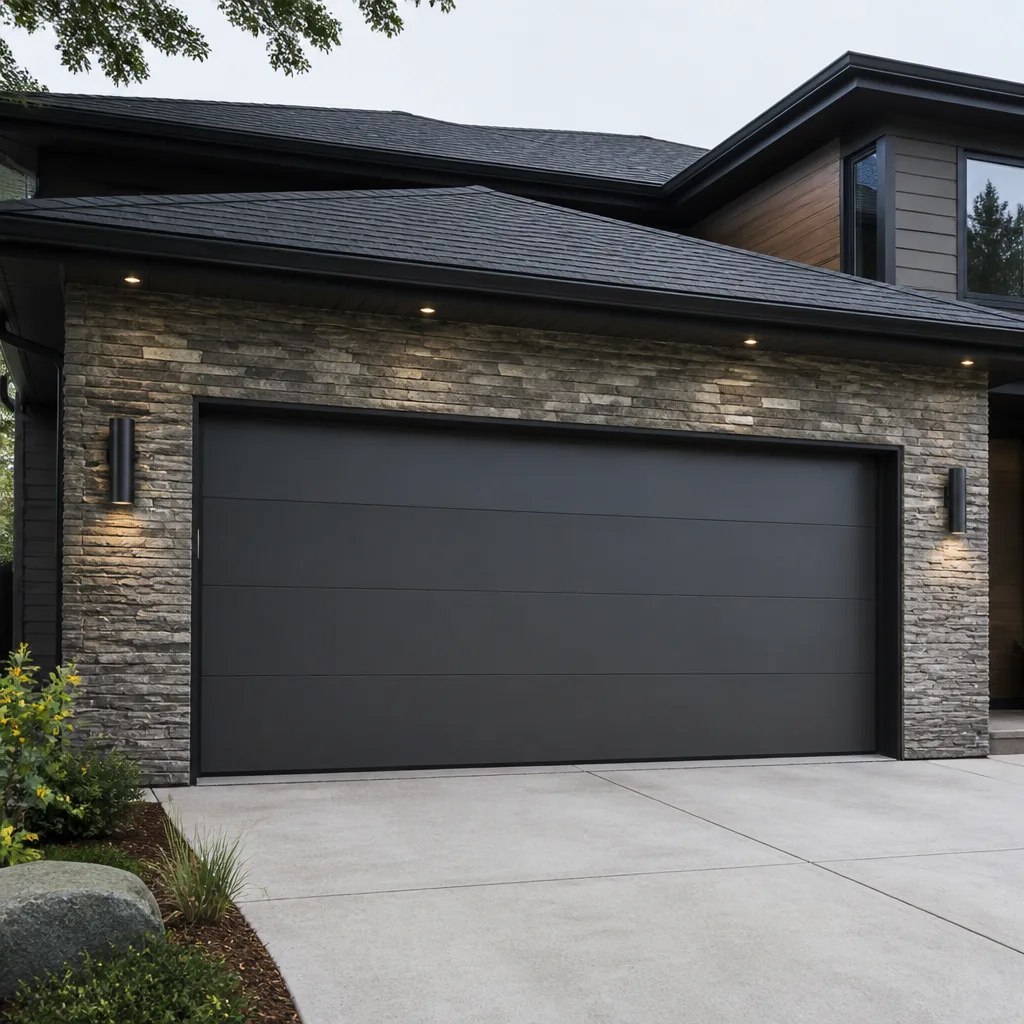 Modern flush
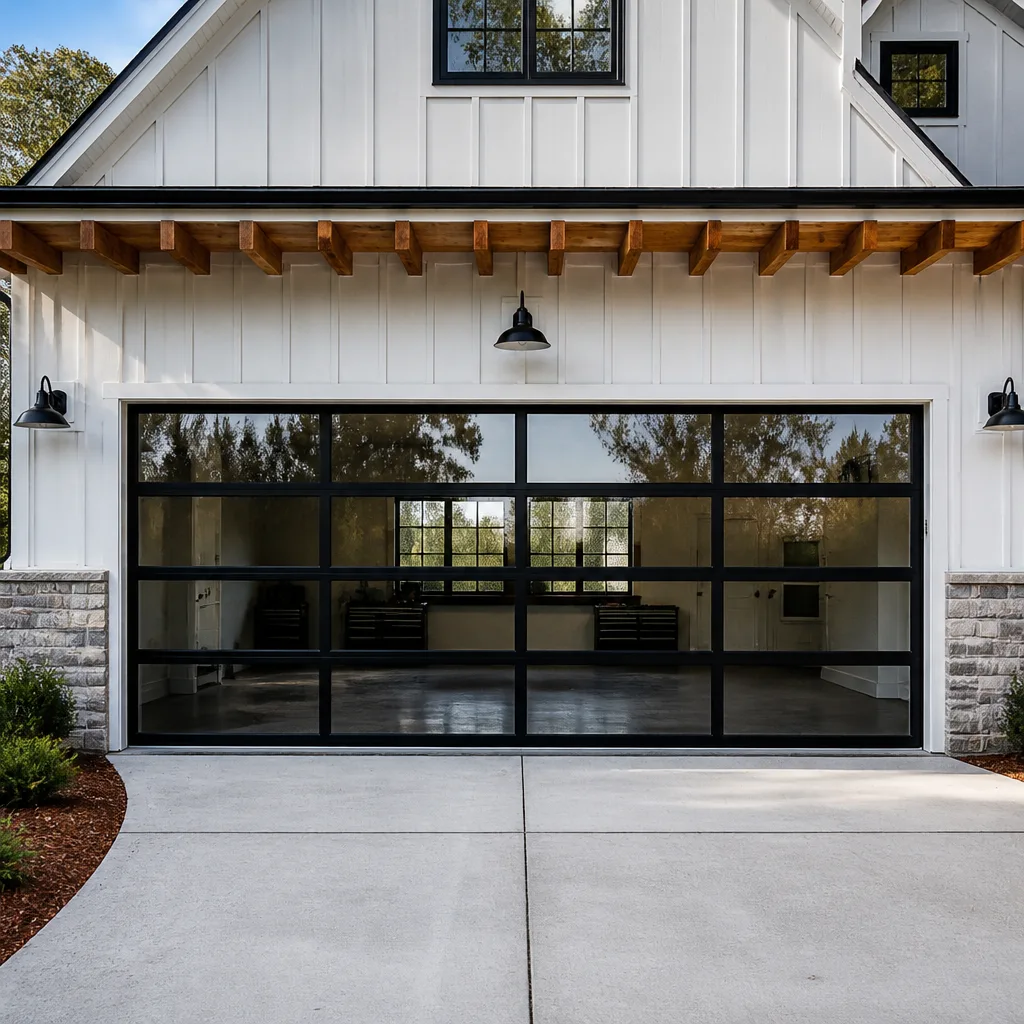 Full-view glass
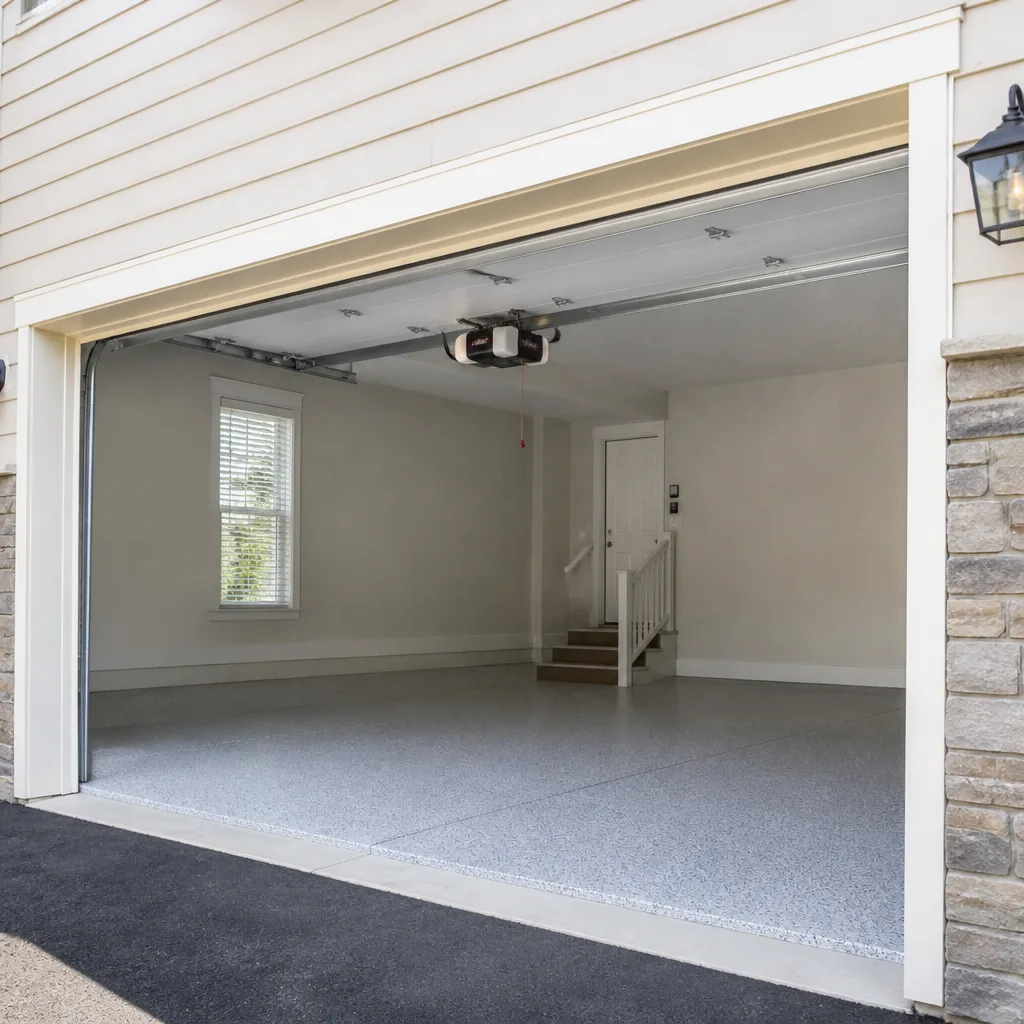 LiftMaster openers
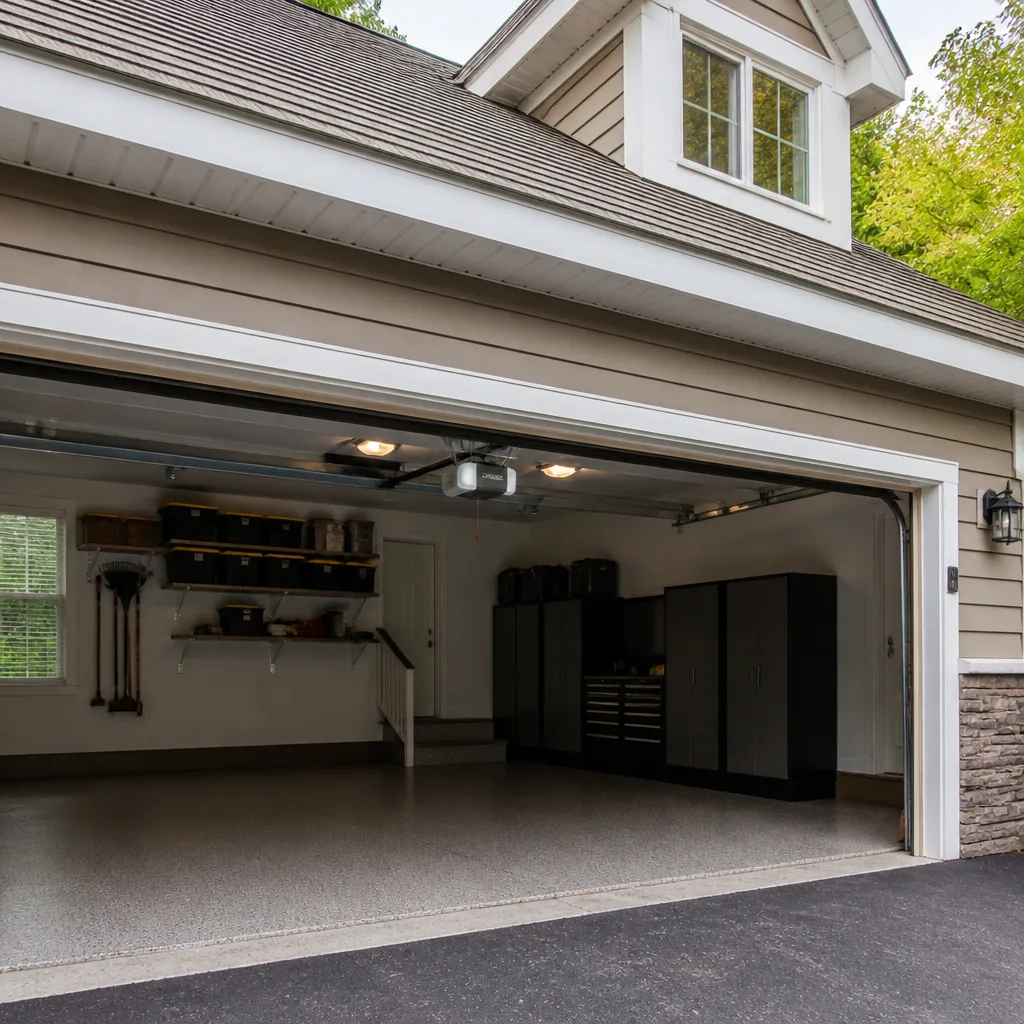 Chamberlain openers
Full 25-point door and opener safety check with every visit - springs, cables, rollers, tracks, and your LiftMaster or Chamberlain opener included
You get a price before we start. It does not change when the pro arrives.
Get your free estimateGarage Door Emergency Preparedness Guide for Hartford Homes
During a power outage, most Hartford homeowners discover for the first time that they don’t know how to manually release their garage door. It happens in the dark, usually while they’re trying to leave for work, and the door simply won’t move. The system they rely on every single day suddenly becomes a 300-pound wall between them and the street. That’s not bad luck. It’s a preparation gap. In this guide we’ll walk through the manual release procedure for the opener types most common in Hartford homes, how to secure a manually opened door against forced entry, what to do after storm or ice damage, how battery backup works, and what to document before an emergency ever happens. You’ll finish with a plan you can actually rehearse.
Quick Answer
Garage door emergency preparedness in Hartford means knowing three things before a failure: how to manually release your specific opener, how to secure the door once it’s on manual, and who to call when the problem is beyond a release cord. Power outages, opener failure and storm damage are the three scenarios Hartford homeowners hit most often, and each one has a different response. Rehearse the release once, document your model numbers, and the rest becomes routine.
Styles & brands we work with
- Raised-panel steel
- Carriage house
- Modern flush
- Full-view glass
- LiftMaster openers
- Chamberlain openers
Table of Contents
- Why Hartford Homes Lose Garage Access So Predictably
- How to Manually Release Your Garage Door: Step by Step
- What to Do When the Red Cord Is Stuck or the Carriage Won’t Disengage
- How to Secure a Manually Opened Garage Door
- Storm Damage Protocol: Is Your Door Safe to Operate?
- Battery Backup for Existing Openers: What Works and What’s Involved
- What to Document Before an Emergency
- When to Call a Professional
Why Hartford Homes Lose Garage Access So Predictably
Hartford’s weather isn’t extreme by national standards, but it’s inconsistent, and inconsistency is what breaks garage doors. A wet, heavy snow sits on a door and loads the panels. A fast freeze overnight turns melting snow into ice in the bottom weather seal and along the track. A thaw loosens what the freeze tightened. Add the region’s summer thunderstorms and the occasional nor’easter, and a Hartford garage door goes through a real range of stress across a single year.
The second part of the problem is the housing stock. A lot of Hartford homes, from the West End’s older colonials to the ranches out toward the city line, still run openers that were installed years ago, well before battery backup became standard on new units. Many of these are Genie or Craftsman units that work perfectly well day to day but have never been tested on manual. When the power goes, the homeowner is meeting the release mechanism for the first time.
Here’s the pattern we see most often:
- Power outage during a storm. The opener motor is dead, the door is locked by the drive system, and nobody has ever pulled the release cord.
- Opener motor failure. The lights work, the remote clicks, and nothing moves. Usually a gear, capacitor or logic board issue rather than a dead unit.
- Spring failure. A loud bang, and the door becomes too heavy to lift by hand. This is the one scenario where the door should stay exactly where it is.
- Storm or ice loading. The door is off its track, bent at a panel, or frozen at the seal.
Each scenario calls for a different response, and that’s the core reason a single “pull the cord” instruction isn’t enough. This guide breaks them apart. For any of these that turn into an active repair, our garage door repair team handles the fix end to end.
How to Manually Release Your Garage Door: Step by Step
The manual release disconnects the door from the opener so it moves freely on its tracks. Almost every residential opener in Hartford uses the same basic design: a red cord or handle hanging from a trolley carriage that rides on a rail above the door. Pulling the cord disengages the carriage from the drive belt or chain. The concept is simple. The execution is where people get stuck, because the door has to be in the right position first.
Follow this order:
- Confirm the door is fully closed. The release should only be pulled when the door is down. Pulling it with the door open drops a 300-pound panel fast, and the springs are under maximum load in that position.
- Find the release cord. It hangs from the carriage on the rail above the door, usually within reach of an average adult standing under the opener. If you can’t see it, look toward the back of the rail near the opener motor housing.
- Pull straight down firmly. A steady pull, not a yank. You should feel the carriage click out of engagement.
- Test the door by hand. Lift it slowly about a foot and let go. A properly balanced door stays roughly where you put it. If it slams down or feels extremely heavy, stop and call a professional. That’s a spring or balance problem, not a release problem.
- Move the door by hand. Lift and lower it with a hand on the bottom section, keeping fingers clear of the hinge points between panels.
To re-engage the door later, close it fully and pull the release cord once more (some carriages re-engage automatically), then run the opener with the wall button. The carriage should pick up the drive. If it doesn’t, the door and the carriage aren’t in the right position relative to the opener. Run the opener until the carriage is aligned and try again. This is exactly the kind of small, specific mechanic problem our garage door opener repair specialists see often in Hartford, and it’s usually a two-minute fix once you know where to look.
What to Do When the Red Cord Is Stuck or the Carriage Won’t Disengage
A release cord that won’t budge is more common than people expect, and it’s almost always a mechanical issue rather than a sign that the door is broken. Before you assume the worst, work through these causes in order.
- The door is under load. If the door is open, the opener’s drive is holding tension against the carriage. Close the door and try again. This solves the majority of stuck cords.
- The carriage is jammed against the opener housing. Run the opener (with the wall button, if the power is on) so the carriage sits a few inches away from the motor. Now the cord has room to release.
- The release lever is rusted or stiff. A dry or corroded lever can stick. If the cord pulls but the carriage won’t let go, the lever inside needs freeing. Don’t force it with tools. That’s when a simple stuck cord becomes a broken carriage.
- The belt or chain is bound. If the drive itself is jammed, the carriage can’t release cleanly. This is a repair, not a release.
If the cord pulls freely and the carriage still won’t disengage, stop. Pulling harder can snap the release arm or damage the trolley, and then you’ve turned a power outage into a repair. Call us at (833) 482-6140. We answer 24/7, and a call outside dispatch hours is booked into the next opening, Sunday through Friday, 7am to 7pm. We work on the brand you already have, so a Genie or Wayne Dalton carriage that’s been stuck for a decade is something we’ve dealt with before.
How to Secure a Manually Opened Garage Door
Once a door is on manual release, it’s held shut only by gravity and the springs. In a prolonged outage, that door is easier to lift from the outside than most people realize. If the power is out and you’ve released the door to get your car out, the door becomes a security gap the moment you close it again and walk away. The best fix is a physical lock the door had before openers existed: a sliding bolt or hasp lock through the track, installed at the side of the door and secured from the inside.
Here’s a practical order of operations for a manual opening during an outage:
- Release and open only when you need to leave or enter. Keep the door engaged with the opener (and therefore locked by the drive) whenever the power is on.
- If you must leave it on manual, engage a secondary lock. A sliding bolt through the vertical track on the inside of the door will prevent the door from being lifted. Don’t rely on the release cord alone.
- Close the door fully before locking. A gap at the bottom is an invitation. Seat the door against the weather seal, then lock.
- Don’t leave an unlocked manually released door overnight. If you can’t secure it, the door is better left engaged and stuck until help arrives than open to the street.
For a longer outage, a bolt-through-track lock is the most reliable option, and it’s a small job we can install. If a door has been forced or damaged, we can also assess whether the panels and tracks are sound before you trust it again. That’s the kind of full-system check our Hartford Garage Door Repair Co team offers as part of a repair visit, because a secure door and a working door aren’t always the same thing.
Storm Damage Protocol: Is Your Door Safe to Operate?
After high wind, ice loading or a fallen limb, the question isn’t whether the door looks damaged. It’s whether the door is safe to run. A garage door that’s off its track, bent at a hinge, or carrying ice can come down hard or leave the track entirely when the opener pulls it. Our rule is simple: if anything looks bent, loose or out of line, leave the door closed and get it looked at.
Here’s how to assess it safely, without running the door:
- Look at the tracks. A track that’s been pushed in, spread apart or bent away from the wall is a door that will come off. Don’t run it.
- Look at the panels. Cracks, dents that cross a hinge point, or a panel that’s clearly out of alignment are all stop signs.
- Look at the springs and cables. A spring that’s snapped (look for a visible gap in the coil) or a cable that’s come off its drum means the door’s weight is no longer supported. This is a hard stop. Springs are the highest-tension component on the whole system and they’re not a DIY repair. We won’t pretend otherwise.
- Check for ice. If ice has built up along the bottom seal or in the track, the door is frozen to the floor. Running the opener against it will strip gears or snap a hinge.
- Test gently by hand only if nothing above is wrong. A balanced door lifts with reasonable effort. A door that takes two hands and real force is not balanced.
If the door passes all of these, run it once with the wall button and watch from the side, not underneath. Any unusual noise, uneven travel, or hesitation means it’s time for a professional. A Clopay or Amarr door that’s been through a hard Hartford winter deserves a track-and-balance inspection before spring. Call (833) 482-6140 for a free estimate.
Battery Backup for Existing Openers: What Works and What’s Involved
Battery backup is the single most useful upgrade for Hartford outages, and the good news is it’s often retrofittable. Most major brands make a battery backup module or a backup-capable opener, including Genie and LiftMaster. The key is whether your existing unit has a backup port or is a model designed for backup. If it does, the installation is straightforward: the battery unit mounts to the opener or wall, connects to the control board, and charges from household power. When the grid drops, it runs the door for a limited number of cycles.
What to expect from the process:
- Check your opener model first. The model number is on a label on the back or side of the motor housing. That number tells us whether backup is supported and which module fits.
- Confirm the door’s balance. Battery backup on an out-of-balance door is wasted money. The battery runs the door, but a heavy door drains it fast. We check balance and springs before installing.
- Install and test. Installation involves wiring to the opener’s control board, mounting the battery, and running a test cycle with the wall power disconnected.
- Know the limits. Backup runs a set number of cycles, not indefinitely. It’s enough to get your car out and secure the door, not to live on it for a week.
If your opener is older and doesn’t support backup, a new unit is often the better path, and it’s a natural moment to think about the whole system. Our garage door installation team can quote both a backup-ready opener and a full replacement so you can compare. The written quote sets the final price, and we give you that before any work starts.
What to Document Before an Emergency
The most useful thing you can do for a future emergency is a one-page reference card taped inside the garage. It costs nothing and it turns a panic moment into a two-minute task. Make it now, while everything is working.
Include the following:
- Opener make and model. Written down, not just looked up. LiftMaster, Chamberlain, Genie, Craftsman and the rest all have their model numbers in different places on the housing.
- Door make and model, if known. Clopay, Amarr, Wayne Dalton and Raynor all stamp or label their sections, and it helps us match parts.
- The location of the emergency release. A quick sketch of your garage with an arrow to the red cord. If you have a second release or a lock, mark that too.
- The location of the manual lock if you have one, and how to engage it.
- Our number. (833) 482-6140. We answer 24/7.
- Fast dispatch, 7am-7pm. Write the dispatch window on the card so you know when to expect a technician.
Once the card is up, do a rehearsal. Pull the release with the door closed, lift it by hand, re-engage it, and run it with the opener. Five minutes now saves an hour of fumbling in the dark later. That rehearsal is the whole point of the card, and it’s the step almost every Hartford homeowner skips.
See the difference
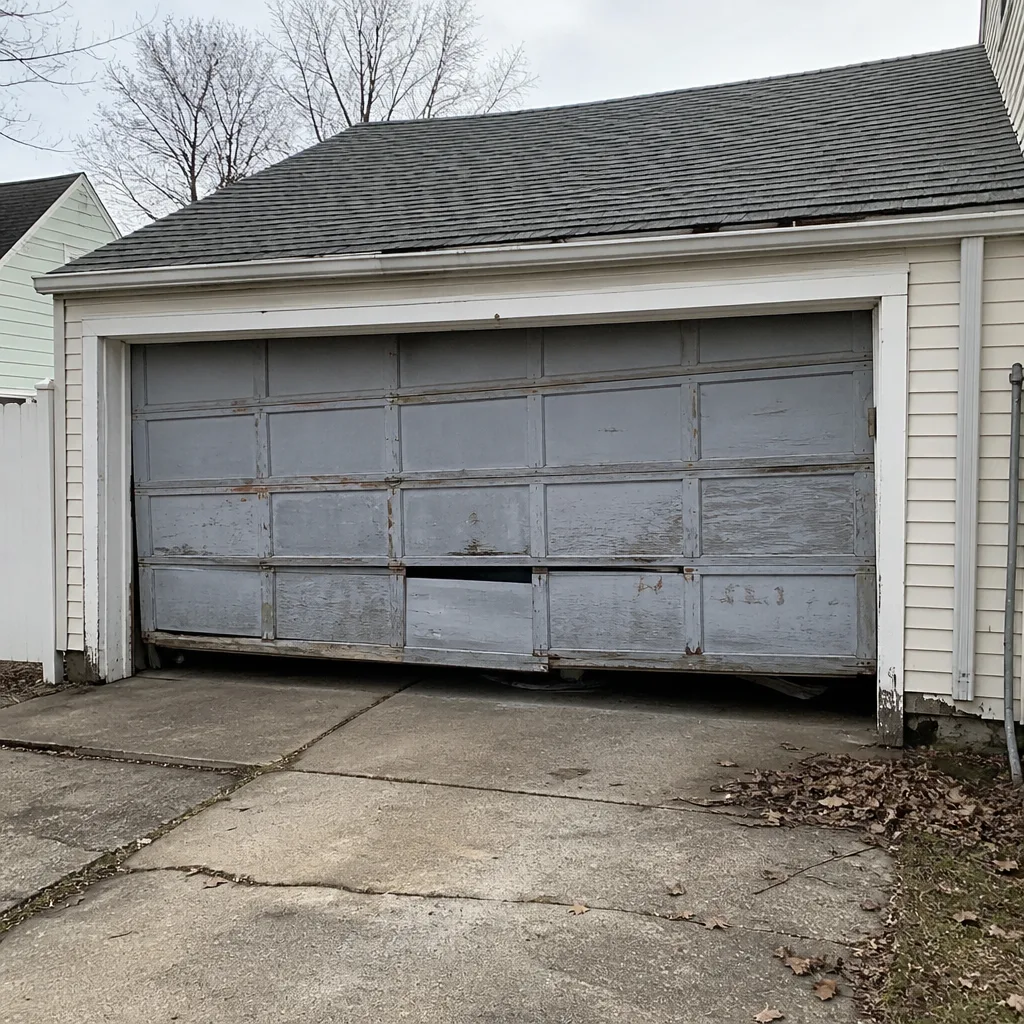 Before
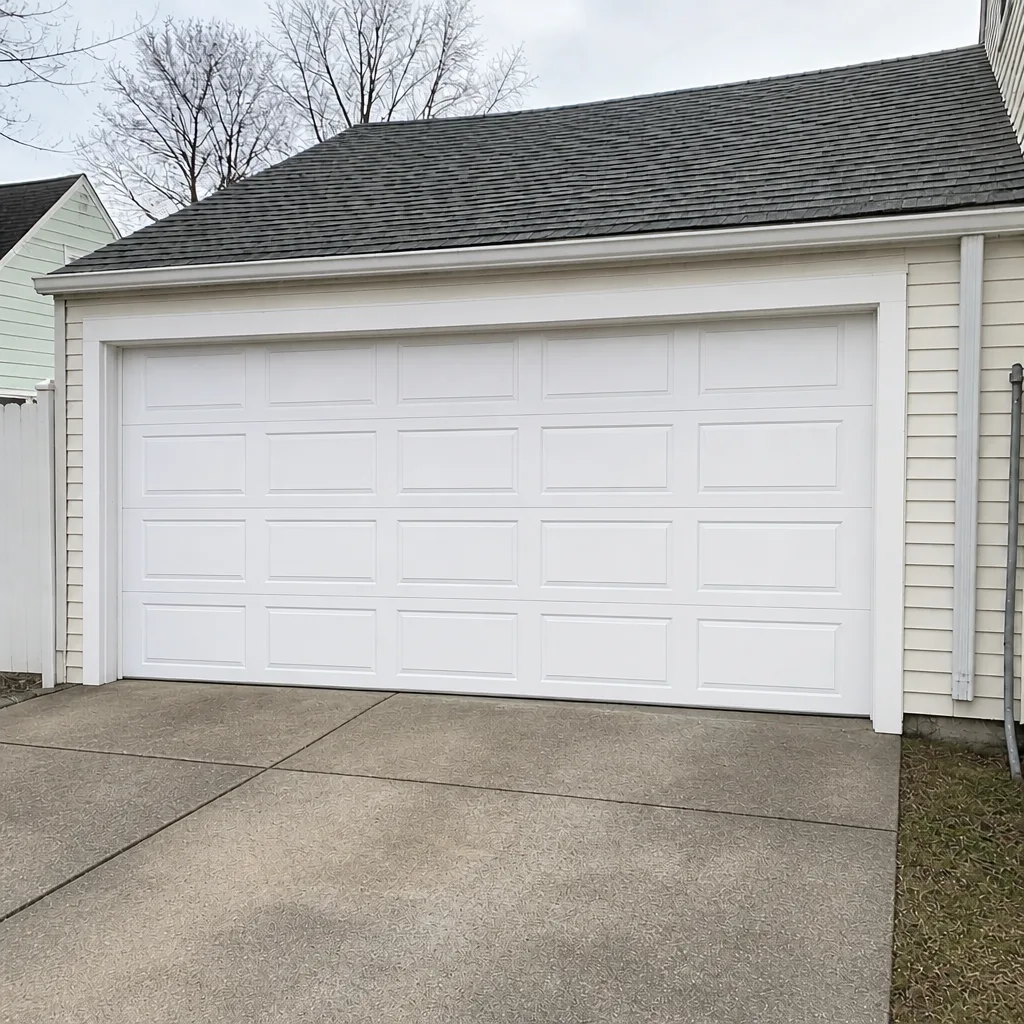 After
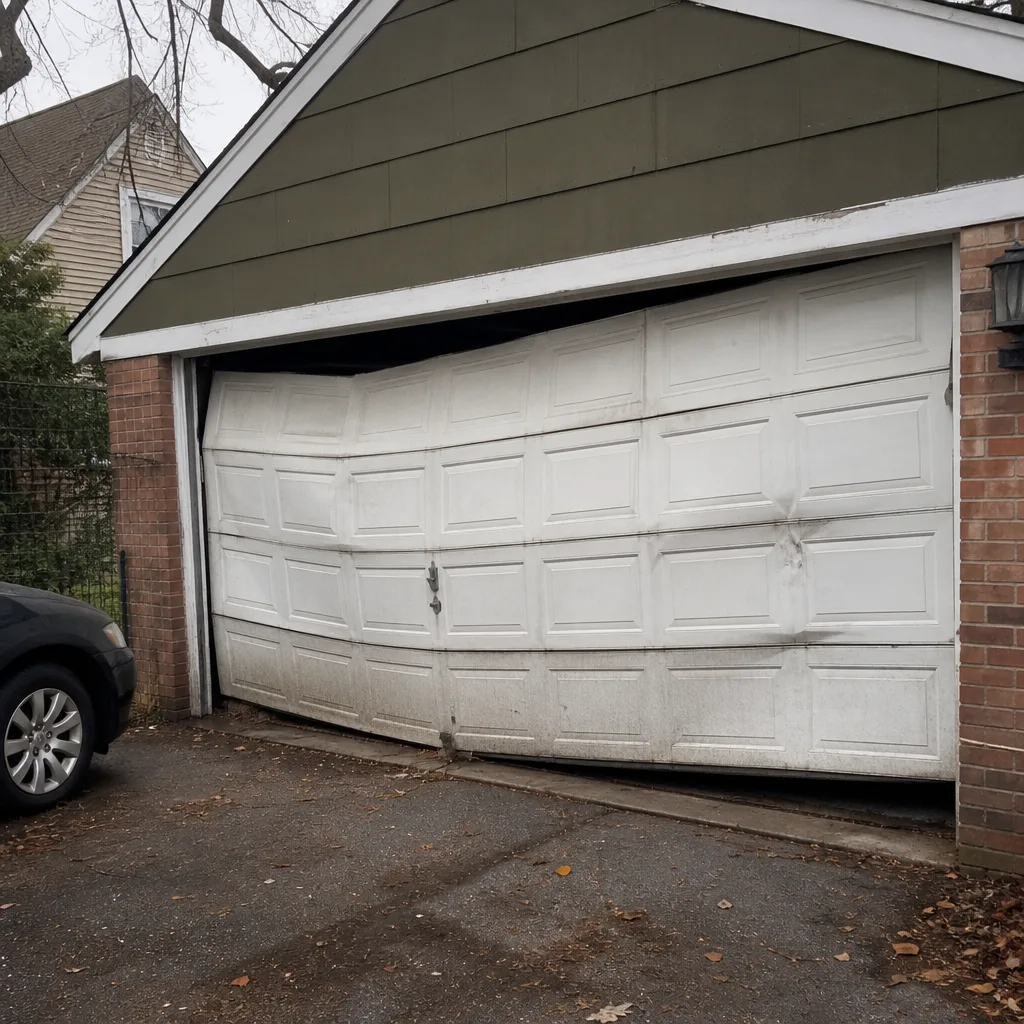 Before
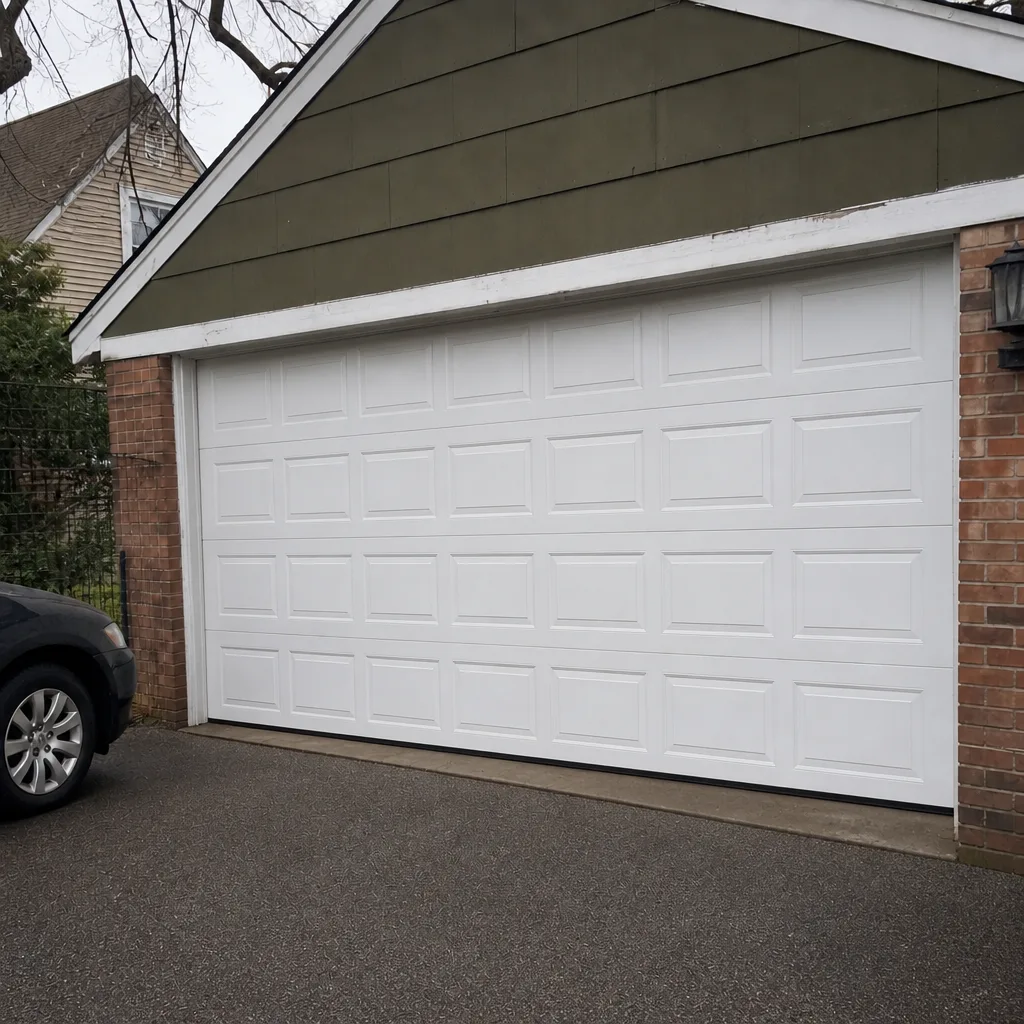 After
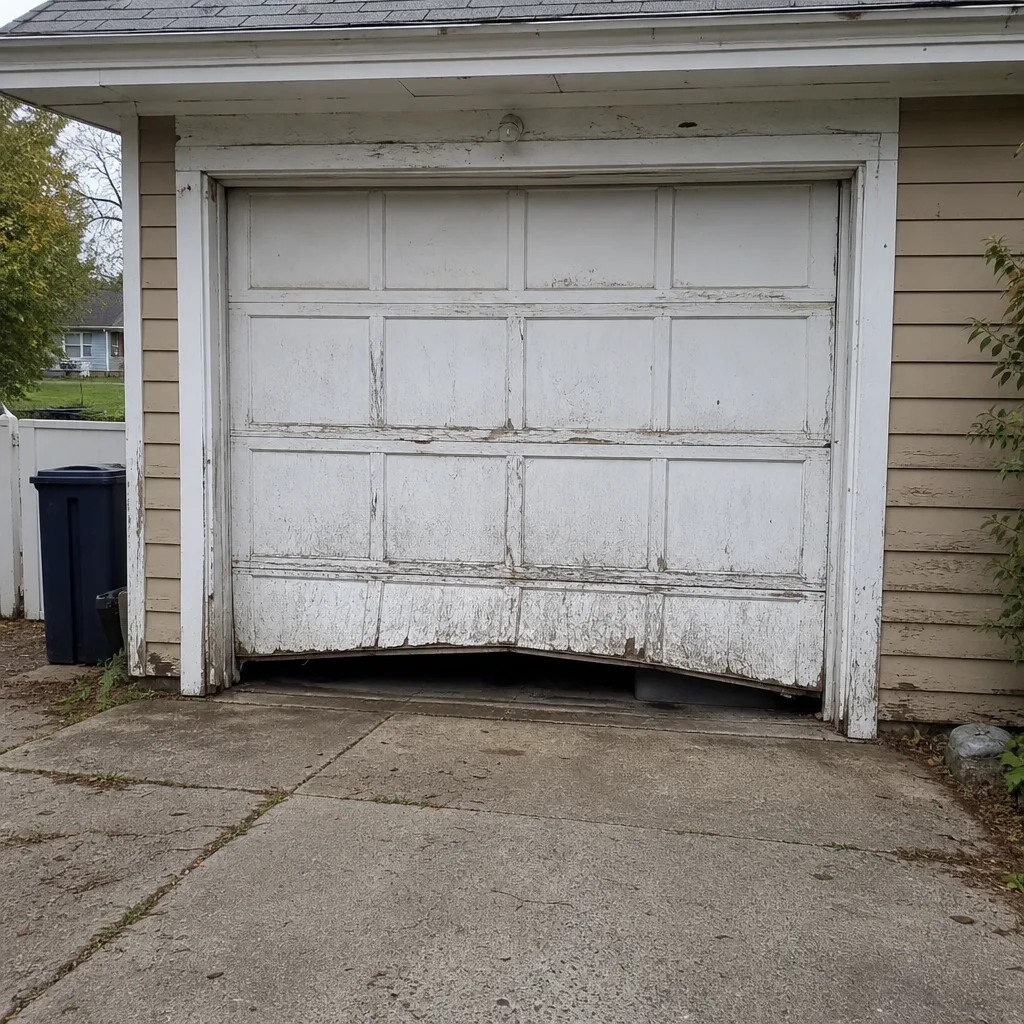 Before
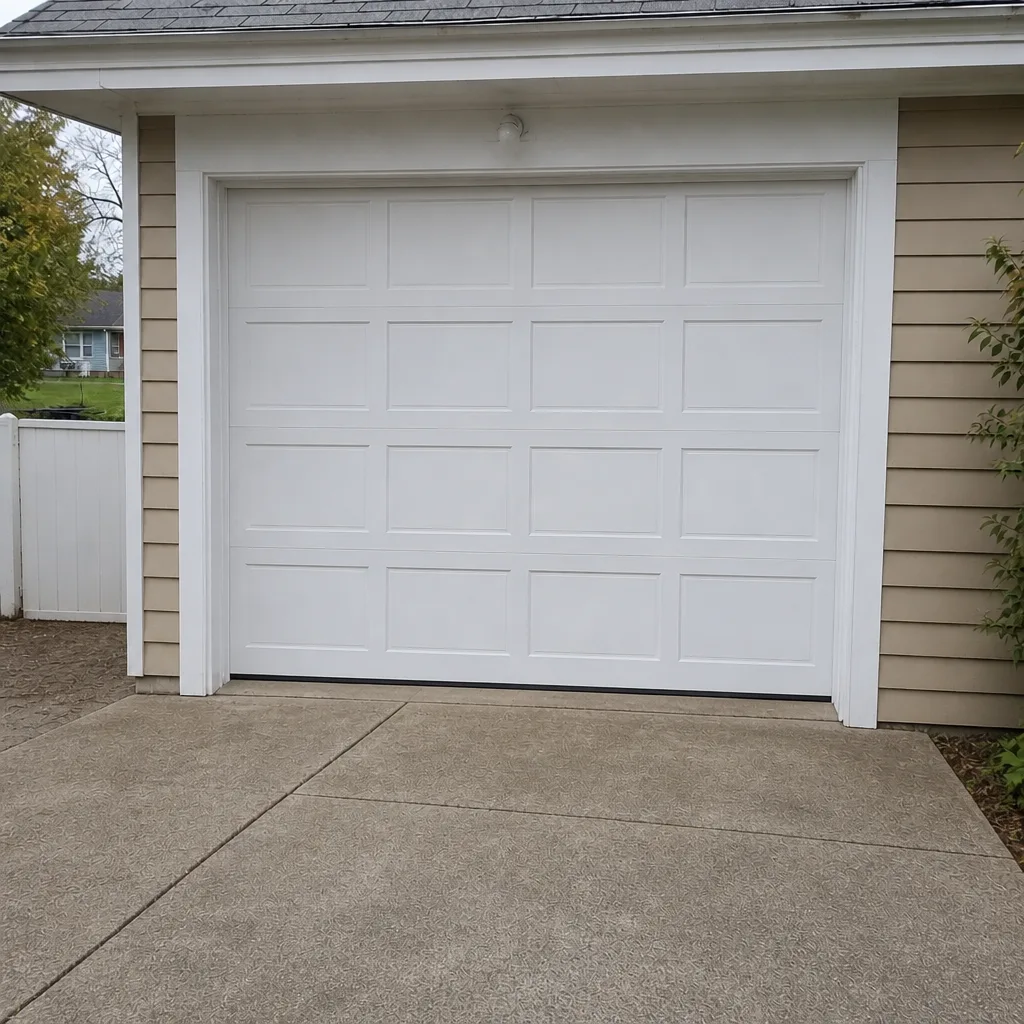 After
Common Mistakes to Avoid
- Pulling the release with the door open. This is the mistake that causes the most damage. The door is under full load when it’s up, and the release lets it drop.
- Forcing a stuck cord. A cord that won’t pull is usually a load or position problem, not a cord problem. Forcing it snaps the carriage arm.
- Running a door that’s off track or has a broken spring. The opener will pull the door out of the track or burn out trying. Leave it down and call.
- Assuming the opener is dead when the door won’t move. Most of the time the motor is fine and the problem is a gear, capacitor, safety sensor or release that’s out of position. A specialist diagnoses this in minutes rather than guessing.
- Leaving a manually released door unsecured. Without a physical lock, the door is a security gap. A bolt through the track solves it.
- Skipping the battery backup on an older opener. It’s the cheapest protection against the most common Hartford emergency.
- Testing a door after a storm with the opener instead of by hand. Running a damaged door under power is how small damage becomes a full replacement.
When to Call a Professional
Call a professional when a spring has snapped, a cable has come off, a door is off its track or bent, or the opener runs but the door doesn’t move. Those are the cases where a homeowner can make things worse by trying to fix it. Springs and cables are high-tension components and they can cause serious injury, so they are not a place for a weekend experiment. Our technicians have up to 10 years of experience and work exclusively on garage doors, so they diagnose the actual failure rather than guessing at it. Hartford Garage Door Repair Co offers free estimates in Hartford. Call (833) 482-6140. We answer 24/7, with fast dispatch from 7am to 7pm, Sunday through Friday.
Frequently Asked Questions
Close the door fully, pull the red release cord straight down to disengage the carriage, then lift the door by hand from the bottom section. Only pull the release with the door closed, because pulling it with the door up lets a 300-pound panel drop. If the door feels extremely heavy by hand, stop and call (833) 482-6140 for a free estimate.
Most Hartford repairs fall in a typical range of $150 to $450 depending on the part and the door, with spring replacement at about $180 to $340 for one spring and a matched pair at roughly double that. Opener repairs typically run $120 to $350. These are estimates, and the written quote you receive before work starts sets the final price. Call (833) 482-6140 for an exact quote – estimates are free.
In most cases, yes. A door that won’t close is an urgent safety and security issue, and same-day service is available for urgent failures. Call (833) 482-6140. We answer 24/7, and fast dispatch runs from 7am to 7pm, Sunday through Friday, so a call outside that window is booked into the next opening.
No. The price is quoted and agreed before any work starts, so the number on your written estimate is what you pay for the repair you approved. If we find a second issue once we’re on site, we tell you what it is and quote it separately. You decide before we touch anything. Call (833) 482-6140 for a free estimate.
The local pro we connect you with is licensed and insured as their state requires. Every technician works exclusively on garage doors, not as a rotating generalist, which means faster diagnosis and a repair that accounts for the whole system, door and opener together. Call (833) 482-6140 with questions before booking.
Often yes, if your opener model supports a backup module. Most major brands, including Genie and LiftMaster, make a compatible unit. We check your model number and the door’s balance first, then install and test it with the wall power disconnected. Call (833) 482-6140 to find out whether yours is a fit.
The Bottom Line
The garage door emergencies Hartford homeowners face aren’t random. Power outages, opener failure and storm damage are predictable, and each one has a rehearsed response: know your release procedure, know how to lock the door once it’s on manual, know when to leave the door alone, and have your model numbers and our number on a card inside the garage. Battery backup closes the biggest gap for older openers. None of this is complicated, but none of it works if you’re learning it in the dark. Rehearse it once while everything works. That’s the whole guide in one sentence.
When the door won’t move, we do. Call Hartford Garage Door Repair Co at (833) 482-6140 for a free estimate. We answer 24/7, with fast dispatch from 7am to 7pm, Sunday through Friday.
Written by the team at Hartford Garage Door Repair Co.