
Last updated November 23, 2026
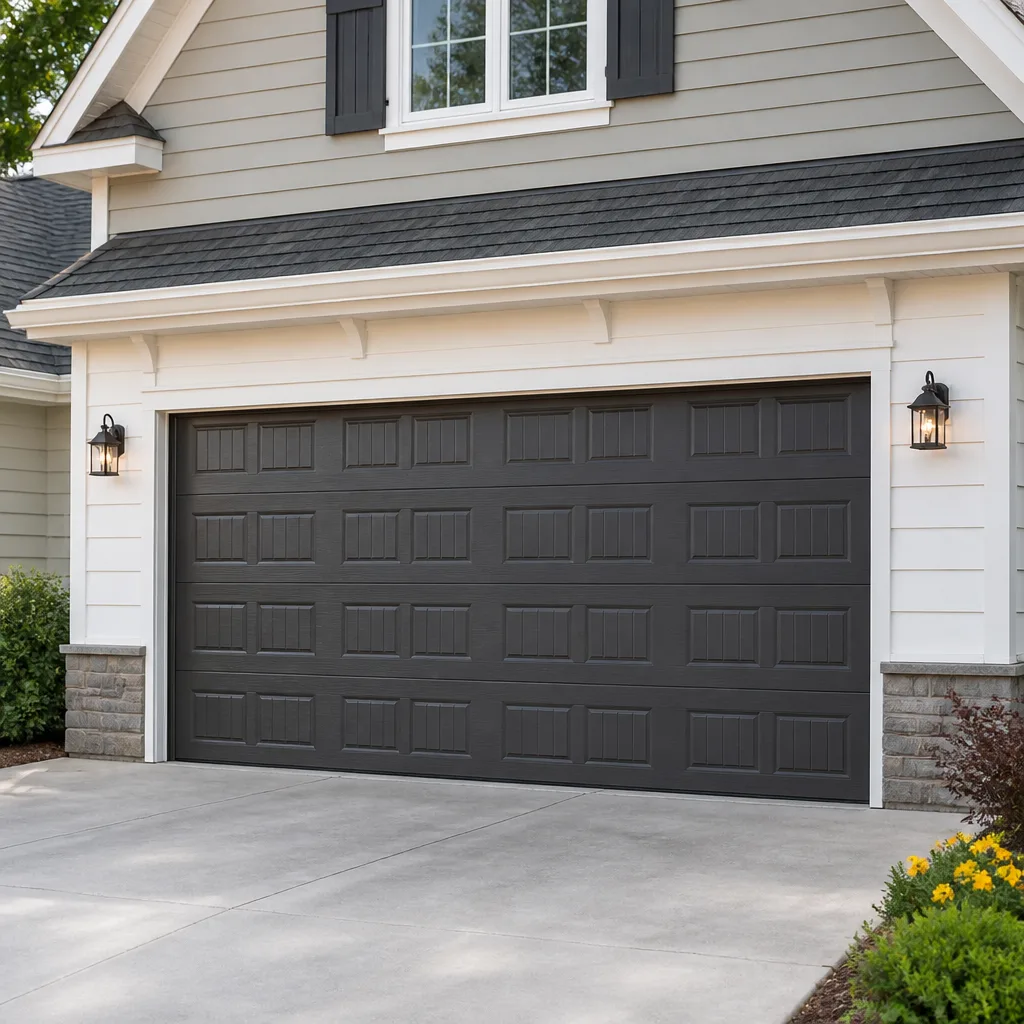 Raised-panel steel
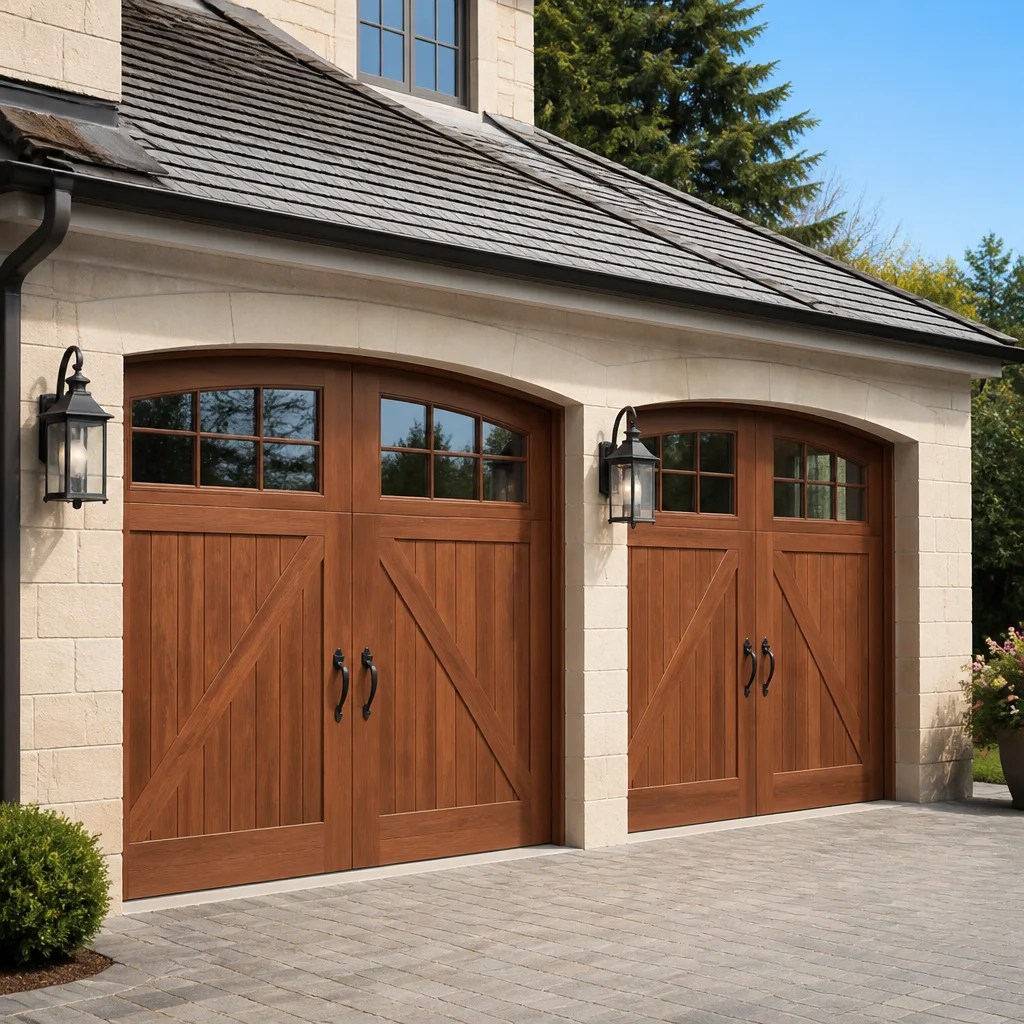 Carriage house
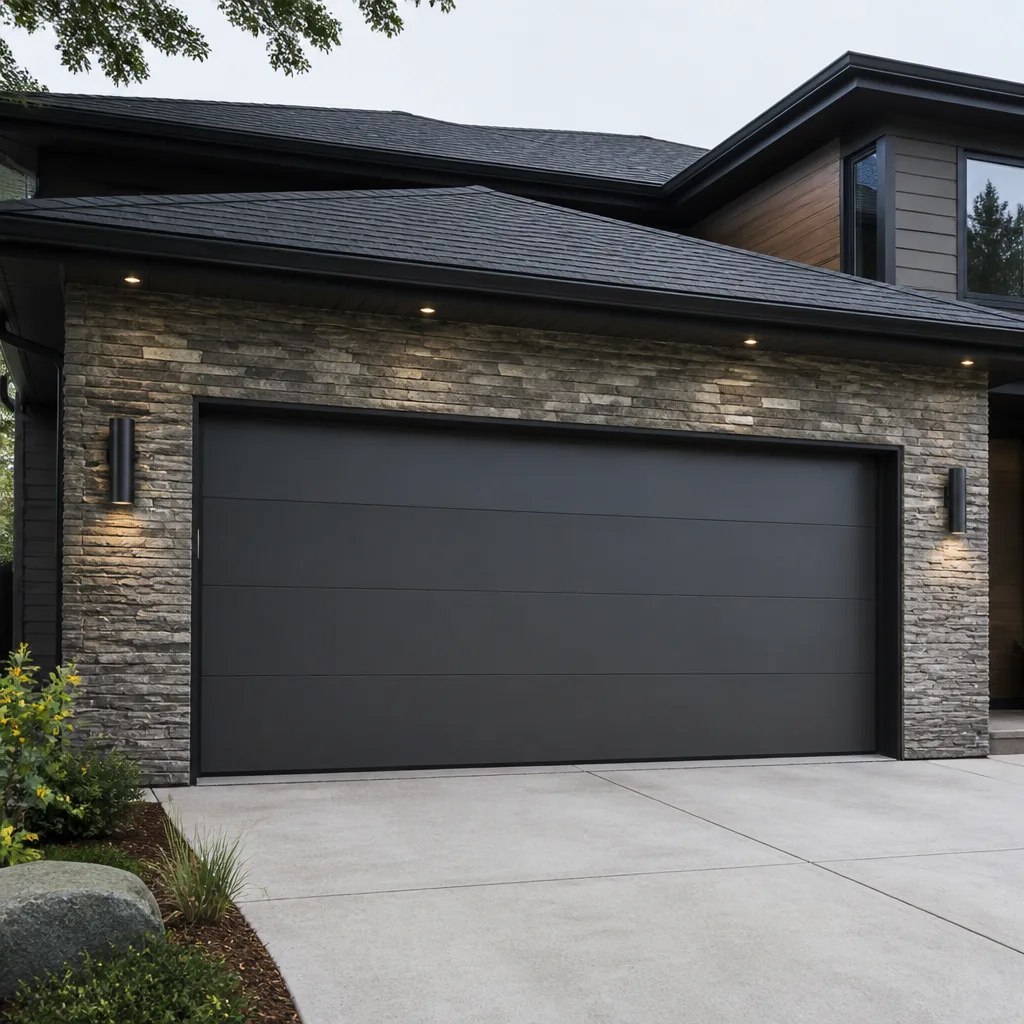 Modern flush
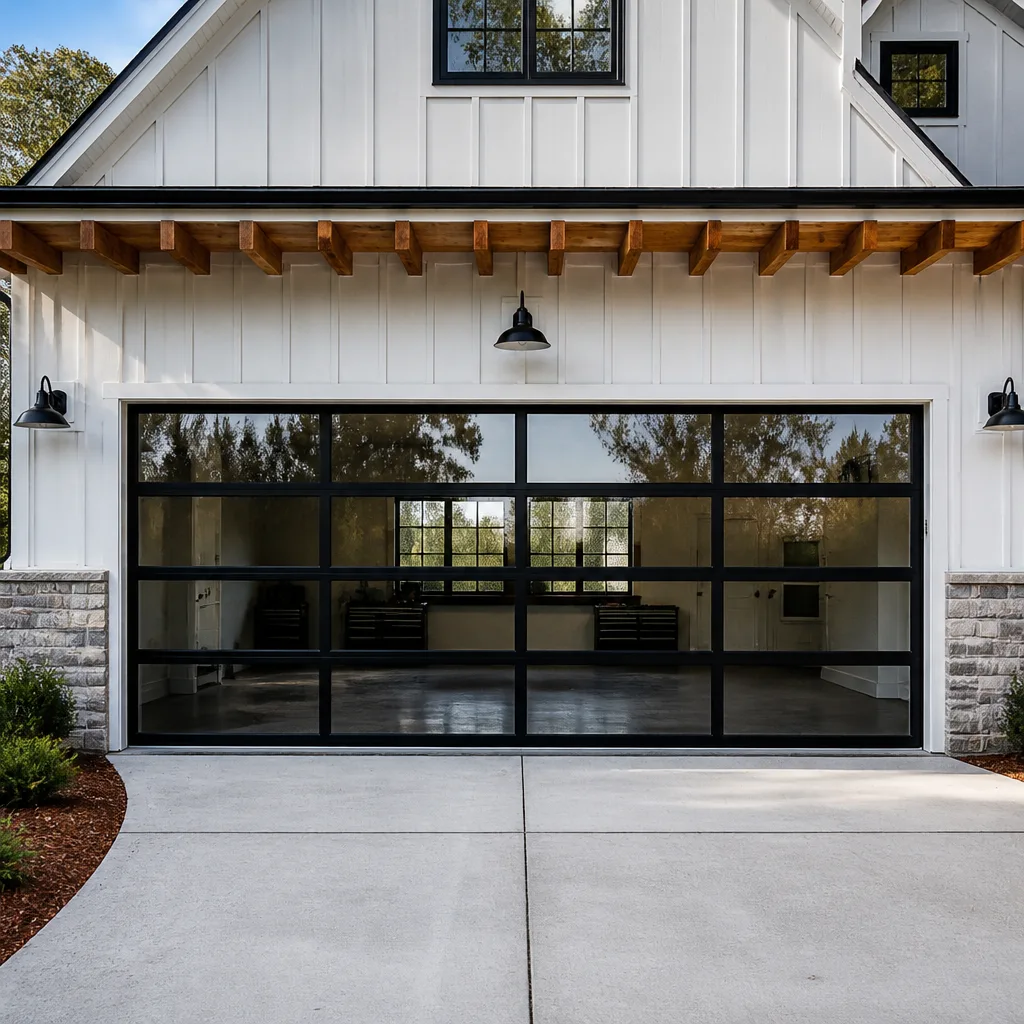 Full-view glass
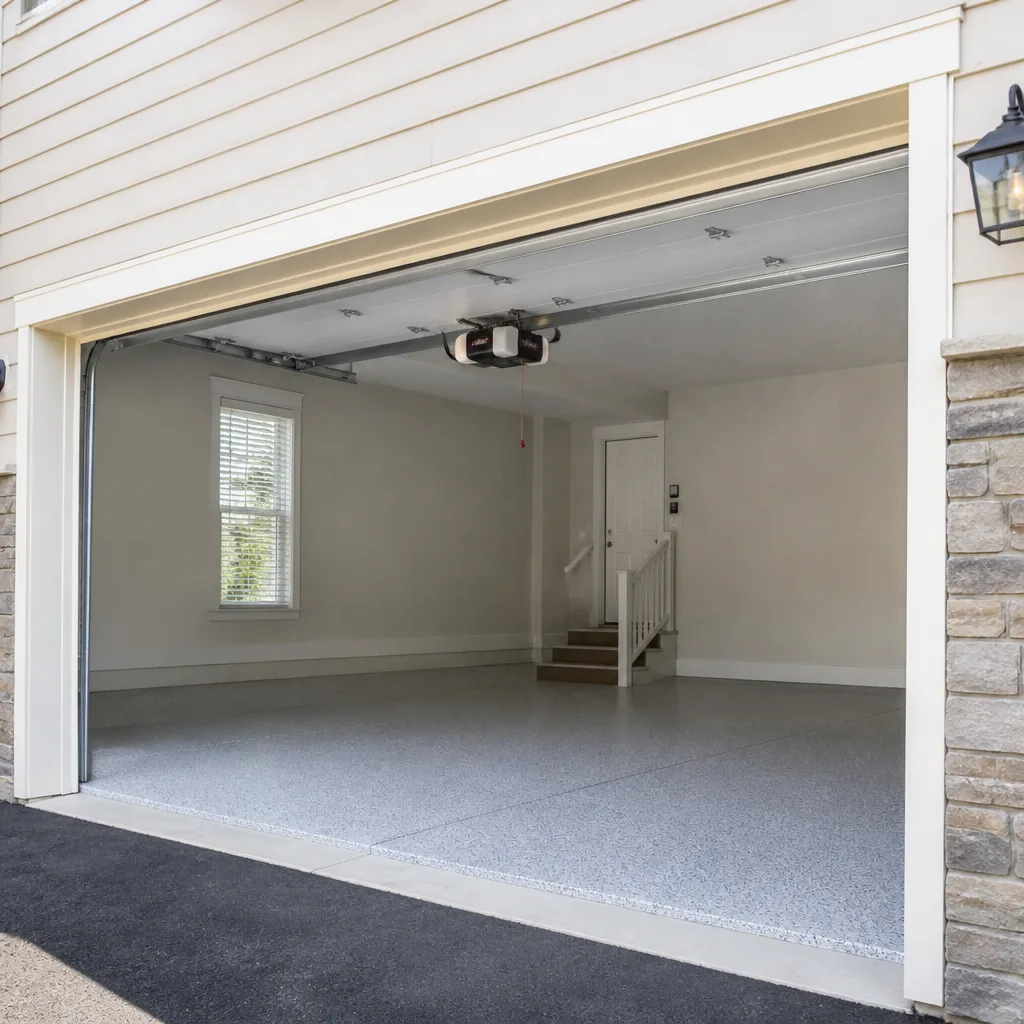 LiftMaster openers
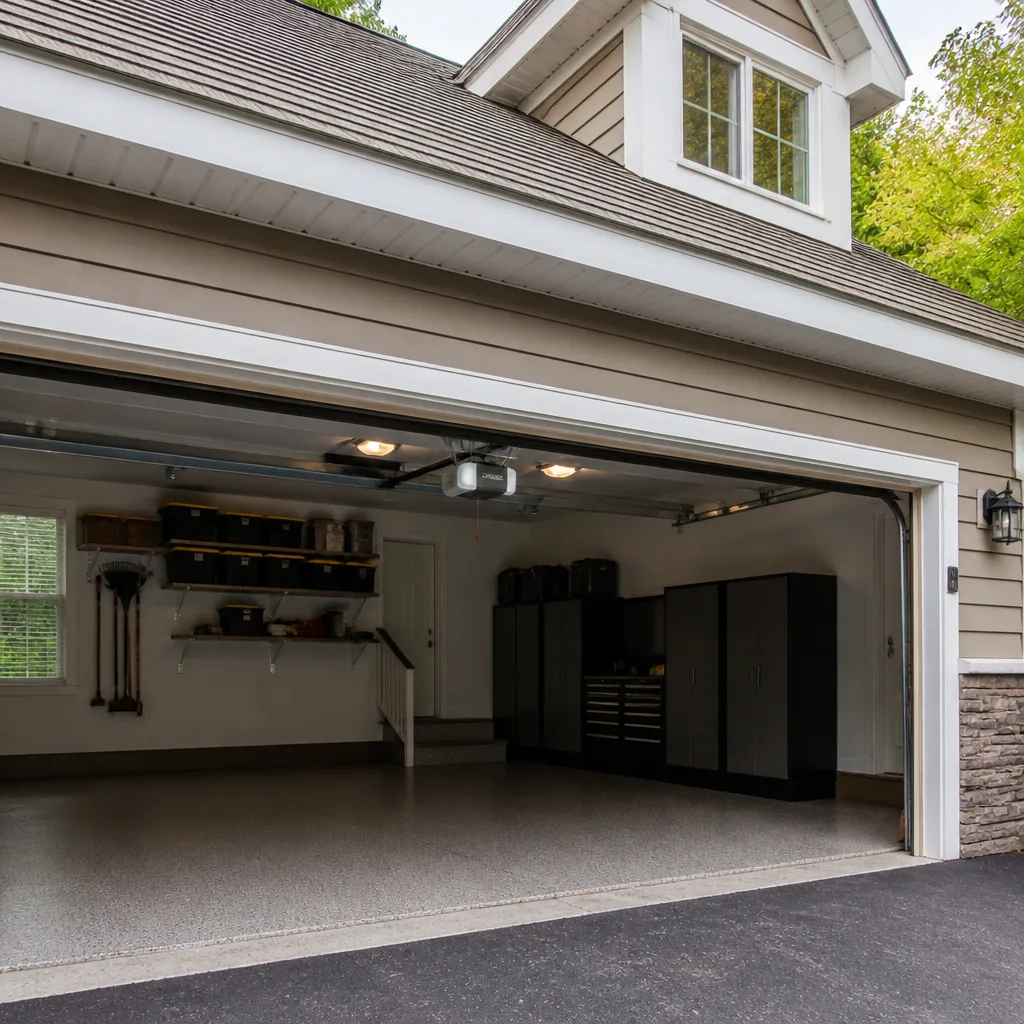 Chamberlain openers
Full 25-point door and opener safety check with every visit - springs, cables, rollers, tracks, and your LiftMaster or Chamberlain opener included
You get a price before we start. It does not change when the pro arrives.
Get your free estimateGarage Door Warning Signs: A Hartford Homeowner’s Reference Guide
A garage door that hesitates for two seconds before moving isn’t “getting old.” It’s showing a specific symptom with a short list of causes, and the difference between catching it early and waiting for failure is usually the difference between a small repair and a large one. Most garage door failures announce themselves days or weeks ahead through sound, movement, and visible wear. The trouble is that homeowners read those signals as normal aging instead of what they are: diagnosable problems with known causes.
This guide translates what your door is telling you into plain language. You’ll learn which sounds point to which component, what’s safe to inspect from a distance, why opener behavior flags matter, and how Hartford’s freeze-thaw cycles make some warning signs appear faster than you’d expect elsewhere.
Quick Answer
In Hartford, the warning signs that matter most are grinding or popping sounds, a door that moves in jerks or hesitates before opening, visible gaps or fraying on cables, springs with a visible gap in the coil, and rollers that wobble in their tracks. Signs like these mean the door needs professional attention, and some mean stop using it today. A door that reverses on its own, drops fast, or has a broken spring should not be operated until a technician inspects it.
Styles & brands we work with
- Raised-panel steel
- Carriage house
- Modern flush
- Full-view glass
- LiftMaster openers
- Chamberlain openers
Table of Contents
- What the Sound of Your Door Is Telling You
- Visual Warning Signs: Springs, Cables, and Rollers
- Opener Behavior Flags and What They Mean
- Why Hartford’s Freeze-Thaw Cycles Accelerate Warning Signs
- Warning Signs That Mean Stop Using the Door Today
- How to Inspect Your Door Safely From a Distance
- Warning Signs That Allow a Scheduled Service Call
- What Garage Door Repairs Typically Cost in Hartford
What the Sound of Your Door Is Telling You
Every garage door makes some noise. The question is whether the noise is new, whether it’s getting worse, and where it’s coming from. A door that has always groaned softly when it opens is a different situation from a door that started grinding two weeks ago. Here’s how to map the sounds you’re hearing to the part most likely producing them.
- Grinding: Usually the rollers. A roller with a worn or seized bearing drags against the track instead of rolling through it, and the metal-on-metal contact produces a low grind. Grinding that gets louder over time is the classic early warning that rollers need replacement.
- Popping or snapping: Most often a spring or cable issue. A popping sound while the door travels can indicate a torsion spring slipping or a cable under uneven tension. Stop operating the door and have it looked at.
- Scraping: Something is rubbing that shouldn’t be. Scraping usually points to a panel that’s out of alignment, a bent track section, or debris caught between the door and the frame. Left alone, scraping can damage the panel edge itself.
- Rattling: Loose hardware. Hinges, brackets, and bolts work themselves loose over thousands of cycles. Rattling is usually the least urgent of these sounds, but it’s also the easiest to correct before it becomes something bigger.
- A single loud bang: In our experience this is almost always a torsion spring breaking. If you hear it and the door won’t lift, the spring has failed and the door should not be operated until it’s repaired.
If any of these sounds are new, note when the sound happens: during opening, during closing, or both. That detail alone narrows the cause considerably before a technician arrives.
Visual Warning Signs: Springs, Cables, and Rollers
You can learn a lot about your door’s condition without touching a single component. The key is to look, not to reach. Garage door springs and cables are under extreme tension, and a visual inspection is the only safe way for a homeowner to assess them.
Springs
If your door has torsion springs mounted on the shaft above the door, look for a visible gap between coils. A spring that has broken will typically show a clean gap where the two halves have separated. If your door has extension springs along the horizontal tracks, check for a stretched appearance or a spring that no longer looks even. Springs that are approaching the end of their service life often look different than fresh ones, and a stretched or sagging appearance is a sign that the spring is losing tension.
Cables
Cables should be taut and smooth. Look for fraying, kinks, or a cable that has slipped off its drum. A cable that is showing strands or looks rusted is compromised, and a cable that snaps while someone is near the door is genuinely dangerous. If a cable looks wrong, stop operating the door.
Rollers
Rollers should sit squarely in the track and spin freely. A roller that looks tilted, has a flattened spot, or wobbles in its bracket is worn and is a likely source of grinding sounds. Worn rollers wear the track faster, so replacing them early protects the track itself.
Panels and Tracks
Walk around the door and look at it from a few angles. A panel that is bent, dented, or out of line will usually show up in the gap between panels. Tracks should be straight and free of dents. A dented track forces the roller to work harder and is a common cause of jerky movement.
Opener Behavior Flags and What They Mean
The opener is the brains of the system, and its behavior tells you a lot about what’s wrong. When a door starts doing something new, the way it behaves often points to the root cause faster than any other sign. Slow response, reversed direction, and mid-travel stops each suggest different problems, and treating them as the same can send you down the wrong path.
- Slow or delayed response: If the door takes several seconds to react after you press the button, the problem may be the opener’s logic board, a failing remote battery, or a signal interference issue. If the remotes are fine and the wall button behaves the same, the opener itself is the likely culprit. A Craftsman or LiftMaster unit that responds inconsistently often just needs a technician to diagnose the control board.
- Reversed direction: If the door starts down and reverses back up, the safety sensors are often the cause. Look at the photo-eye lenses on each side of the opening and check whether they’re aligned and clear of obstruction. If the sensors look fine and the door still reverses, the issue may be a misadjusted limit or a wiring fault.
- Mid-travel stops: A door that stalls halfway is usually dealing with a mechanical resistance issue, not an opener issue. Something is binding: a worn roller, a track out of alignment, or a spring under the wrong tension. The opener is sensing resistance and stopping, which is a safety feature, not a malfunction.
- Door only opens a few inches: Often a sign that the opener’s travel limits are off, or that the door is binding. If you have a Chamberlain or Raynor system, a technician can often reset the limits quickly, but the mechanical cause should be checked too.
- Remote works only up close: Usually a battery or antenna issue. It’s one of the easier problems to sort out, and worth having checked before it turns into a larger opener repair.
For a deeper look at opener-specific troubleshooting, see our guide to garage door opener repair. When the opener is doing something unpredictable, it’s worth having it looked at early.
Why Hartford’s Freeze-Thaw Cycles Accelerate Warning Signs
Hartford’s winters make garage door warning signs appear faster than they would in a milder climate. The reason comes down to freeze-thaw cycles. During a typical Hartford winter, temperatures swing above and below freezing repeatedly. Water gets into small gaps in a track, a hinge, or a roller bearing during a thaw and then freezes and expands when the temperature drops again.
This cycle has a few specific effects on a garage door:
- Frozen moisture in tracks and hinges: Water that seeps into a hinge or a roller bracket freezes and expands, gradually working the hardware loose. What looks like simple wear on a Hartford door is sometimes freeze-thaw damage.
- Metal contraction: Springs, cables, and tracks are steel. In cold weather the metal contracts slightly, and the tension changes. A spring that felt fine in October can feel different by January, and a door that closed easily in fall can start to bind in winter.
- Lubrication breakdown: Cold weather thickens lubricant. Rollers and hinges that were adequately lubricated in summer may be dry by February, and the grinding that follows is a warning sign homeowners often miss because it appeared gradually.
- Road salt and grit on the threshold: Hartford streets get treated in winter, and grit from the road finds its way onto the door’s bottom seal and track. That grit accelerates roller and seal wear.
This climate context matters because it means a Hartford homeowner should pay attention to warning signs a little earlier in the season than a homeowner in a warmer region might. A door that starts to grind in January is often showing a problem that would have shown up in April in a milder climate. Catching it in December is worth doing.
Warning Signs That Mean Stop Using the Door Today
Not every warning sign is created equal. Some are a reason to schedule a service call. Others are a reason to stop using the door entirely until a technician has looked at it. The distinction is important, and the signs below fall firmly into the second category.
- A broken spring: If you’ve heard a bang and the door won’t lift, the spring has failed. The door is heavy and the opener is not designed to lift a door without spring assistance. Operating it risks damaging the opener, and if the door drops, it can be dangerous.
- A frayed or snapped cable: Cables are under tension, and a compromised cable can snap with force. Don’t operate the door.
- A door that drops too fast when closing: If the door falls rather than descends at a controlled rate, the spring tension or the opener’s control system is compromised. Stop using it.
- A door that is visibly off its tracks: This is a mechanical failure in progress. Operating the door can bend panels or bring it down.
- Safety sensors that won’t stay aligned: If the door won’t close reliably because the sensors keep tripping, the door isn’t safe to operate. This is especially important in a household with children or pets.
- Grinding so loud you can hear it inside the house: Severe grinding usually means a roller or bearing has seized. Running the door in this condition wears the track and can cause a much larger repair.
If you’re in any of these situations, call for an inspection. A technician can tell you quickly whether the door needs a repair before it’s used again.
How to Inspect Your Door Safely From a Distance
You can do a useful visual inspection in a few minutes without ever touching a spring or a cable. The point is to gather information before calling, not to fix anything. Springs and cables are the two components that cause serious injury when handled by someone without training, so the inspection stops at looking.
- Stand back and look at the door from the outside. Check whether panels are level and evenly spaced. Look for gaps between panels that weren’t there before.
- Look at the tracks on both sides. They should be straight and free of dents. Check for debris or grit that has collected in the track.
- Look at the springs without touching. Note whether a gap is visible between coils. A gap means a broken spring.
- Look at the cables. Check for fraying, rust, or a cable that has come off its drum.
- Look at the rollers. They should look seated in the track and not tilted.
- Test the door with the opener and listen. Note whether the door moves smoothly and whether any new sound appears.
- Check the safety sensors. Look at the two photo-eye units at the base of the opening. They should be pointed at each other and free of obstruction.
If anything looks wrong, write down what you saw and where. That information is genuinely helpful when you call. A technician can often arrive with a better idea of what’s needed.
Warning Signs That Allow a Scheduled Service Call
Some warning signs mean the door needs attention soon, but the door is still safe to operate in the meantime. These are the signs worth scheduling now rather than waiting for them to become urgent.
- Grinding that comes and goes: A roller that’s just starting to wear often makes noise only some of the time. Replacing it now is cheaper than replacing a track later.
- Rattling or vibration: Loose hardware is worth tightening before it becomes a bigger problem. In our experience, this is one of the most common things a technician corrects on a routine service call.
- A door that hesitates briefly: A short delay in movement is usually a sign of a roller, hinge, or spring that needs attention. It’s worth scheduling rather than waiting.
- A single remote that only works up close: A battery or antenna issue, usually easy to resolve.
- Seasonal stiffness in cold weather: A door that gets noticeably stiffer in winter is often telling you that lubrication has broken down. A tune-up addresses it.
- Rollers that look worn but aren’t misbehaving yet: Worn rollers are worth replacing before they start grinding. This is the definition of catching a problem early.
We handle garage door repair across Hartford, and we’re happy to look at something you’re not sure about. Many of the repairs in this category are minor, and addressing them now keeps the door running quietly and safely.
What Garage Door Repairs Typically Cost in Hartford
Cost is often the reason homeowners wait on a warning sign, so it’s worth knowing roughly what you’re facing. The ranges below are typical estimates for common repair categories. The written estimate sets the final price, and we provide that before any work starts so there’s no surprise on the invoice.
| Repair | Typical Estimated Range |
|---|---|
| Roller replacement (full set) | Under $150 |
| Hinge and hardware tightening | Under $150 |
| Spring replacement (one spring) | $180 – $340 |
| Matched spring pair (replaced together) | About twice the single-spring price |
| Cable replacement | $150 – $350 |
| Track repair or realignment | $150 – $400 |
| Opener repair | $150 – $400 |
| Full door replacement (minor to major) | $600 and up depending on the door |
Note that the spring row is for one spring. A matched pair is almost always replaced together, so a pair costs about twice that. If you’re scheduling a service call, we quote the price before any work begins. For the larger jobs, see our garage door installation page for context on what a full replacement involves.
Common Mistakes to Avoid
- Treating every sound as normal aging. A garage door that has developed a grind this winter isn’t necessarily old; it’s telling you a specific component is failing. Replacing the component is often the whole fix.
- Assuming the opener is always the problem. In Hartford, a door that binds in cold weather looks like an opener problem but is usually a roller or track issue. Diagnosing it correctly the first time saves time and money.
- Continuing to use a door with a broken spring. The spring carries the door’s weight. Without it, the door drops fast, and running the opener in that condition is hard on the whole system.
- Trying to adjust a torsion spring yourself. The springs are under extreme tension and adjusting them without the right tools and training is genuinely dangerous. Springs aren’t a DIY repair, and we won’t pretend otherwise.
- Skipping lubrication in cold weather. Hartford winters dry out and thicken lubricant faster than you’d think. A quick tune-up in late fall prevents much of the grinding you’d otherwise deal with in January.
- Ignoring safety sensor problems. A door that reverses unpredictably isn’t just inconvenient; it’s unsafe in a household with kids or pets. If the sensors keep tripping, that’s a call worth making.
- Waiting until the door completely fails. Early warning signs usually allow a scheduled repair. Once a door has failed, the repair is often larger and more urgent. Catching a warning sign at the right point is the whole reason this guide exists.
See the difference
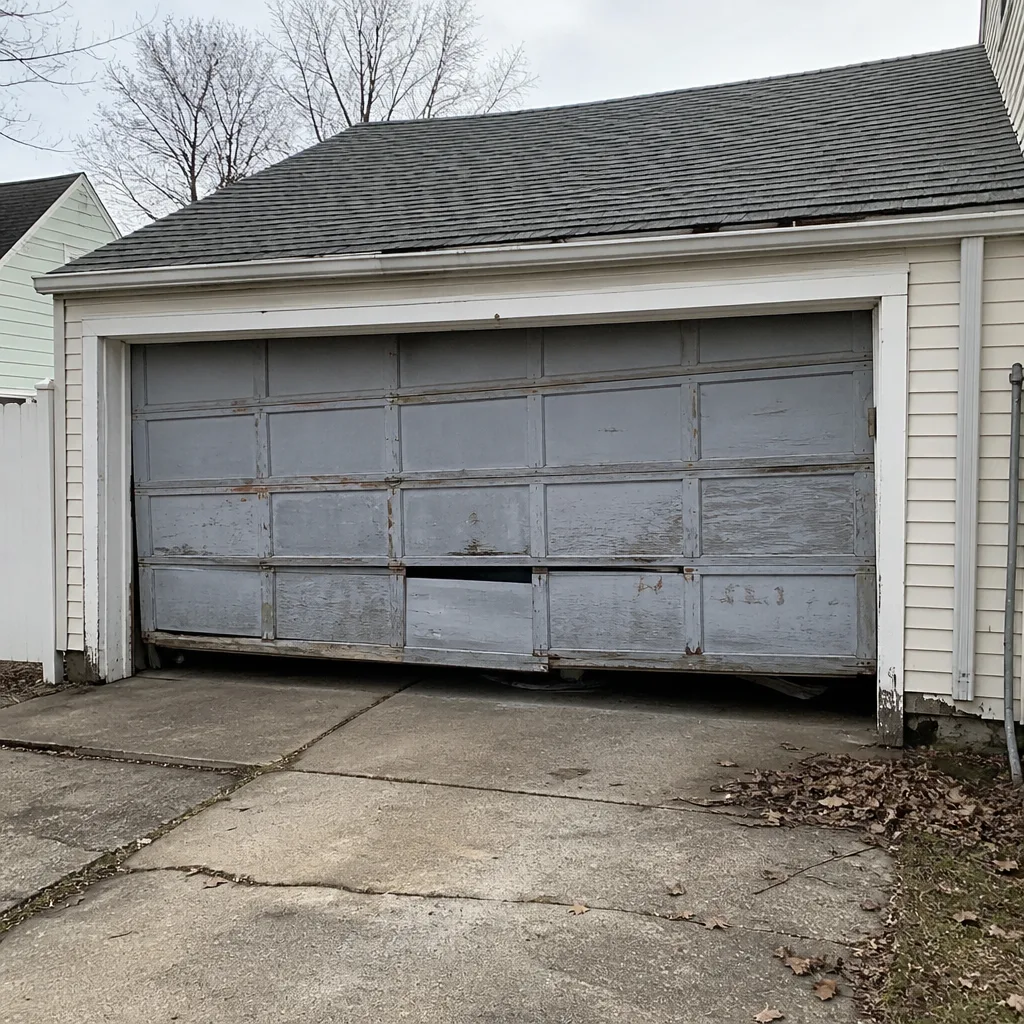 Before
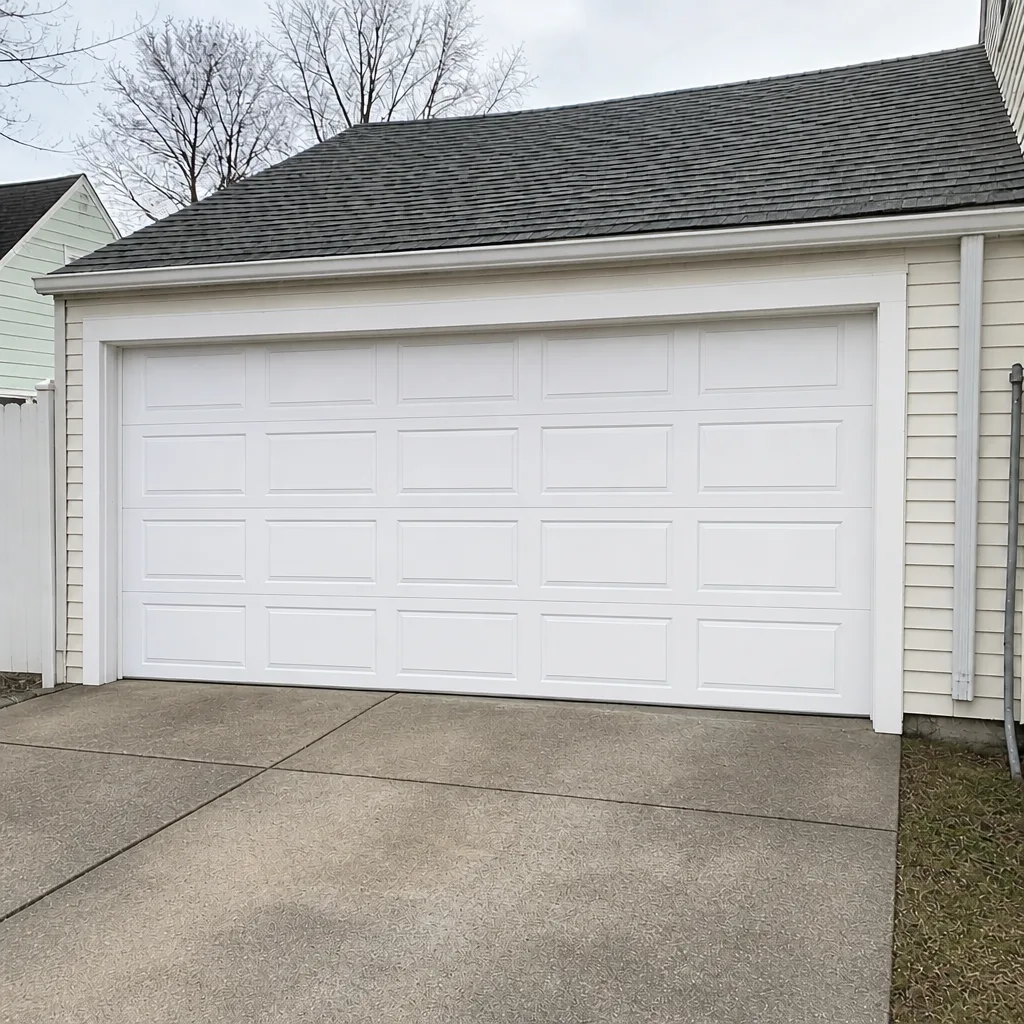 After
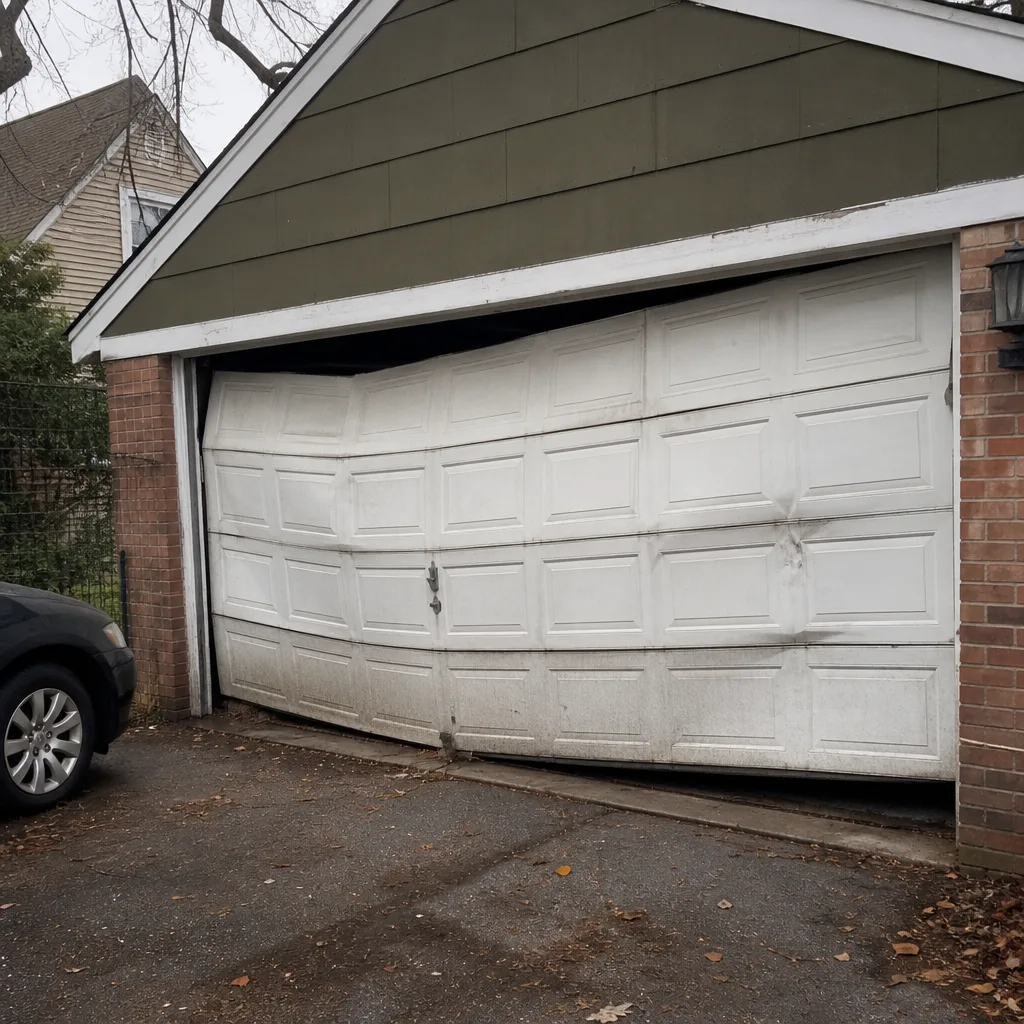 Before
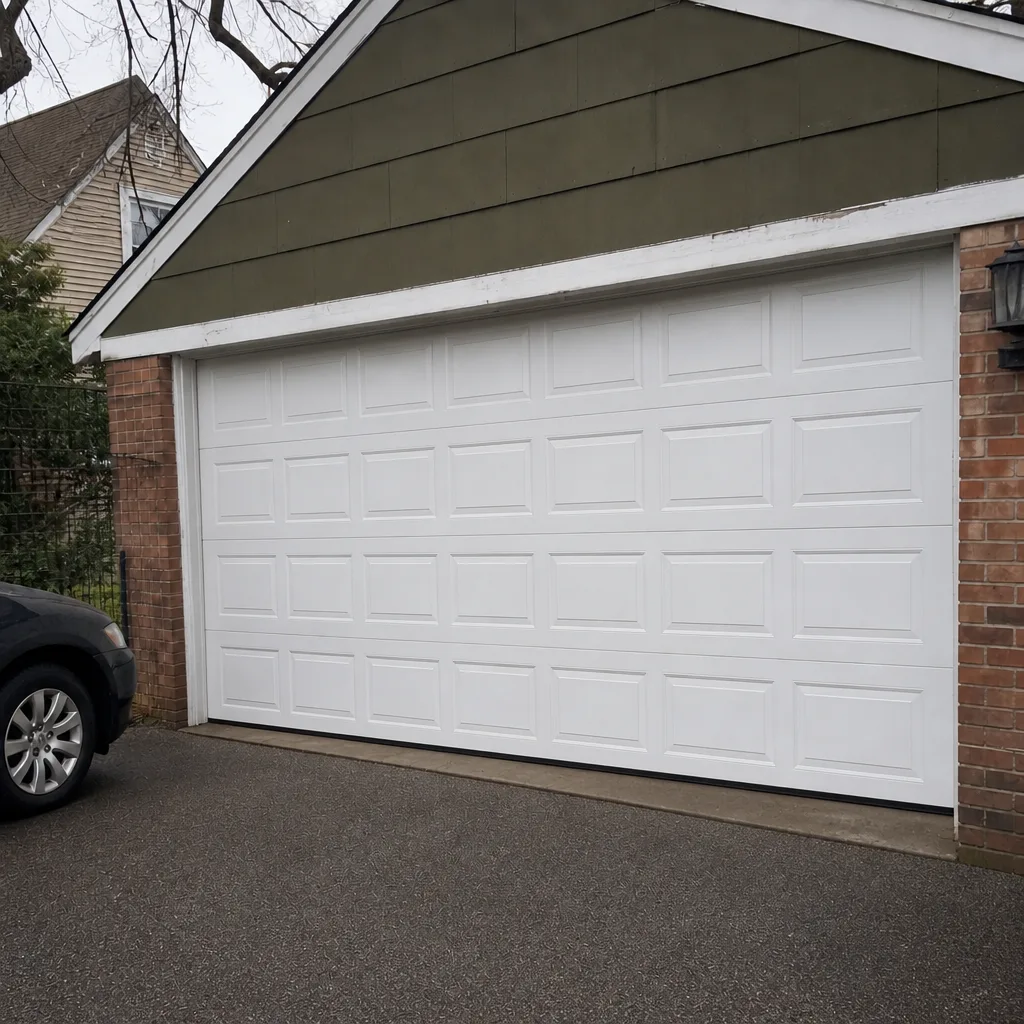 After
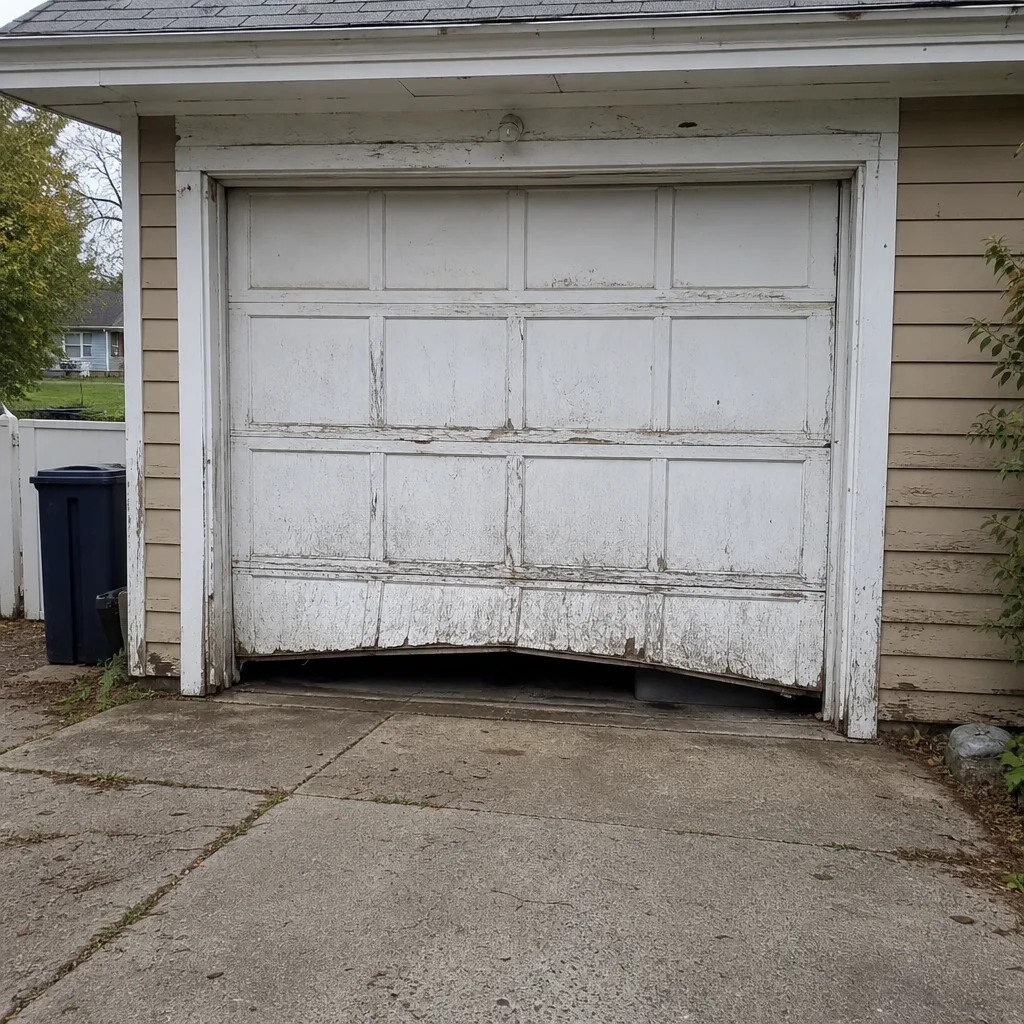 Before
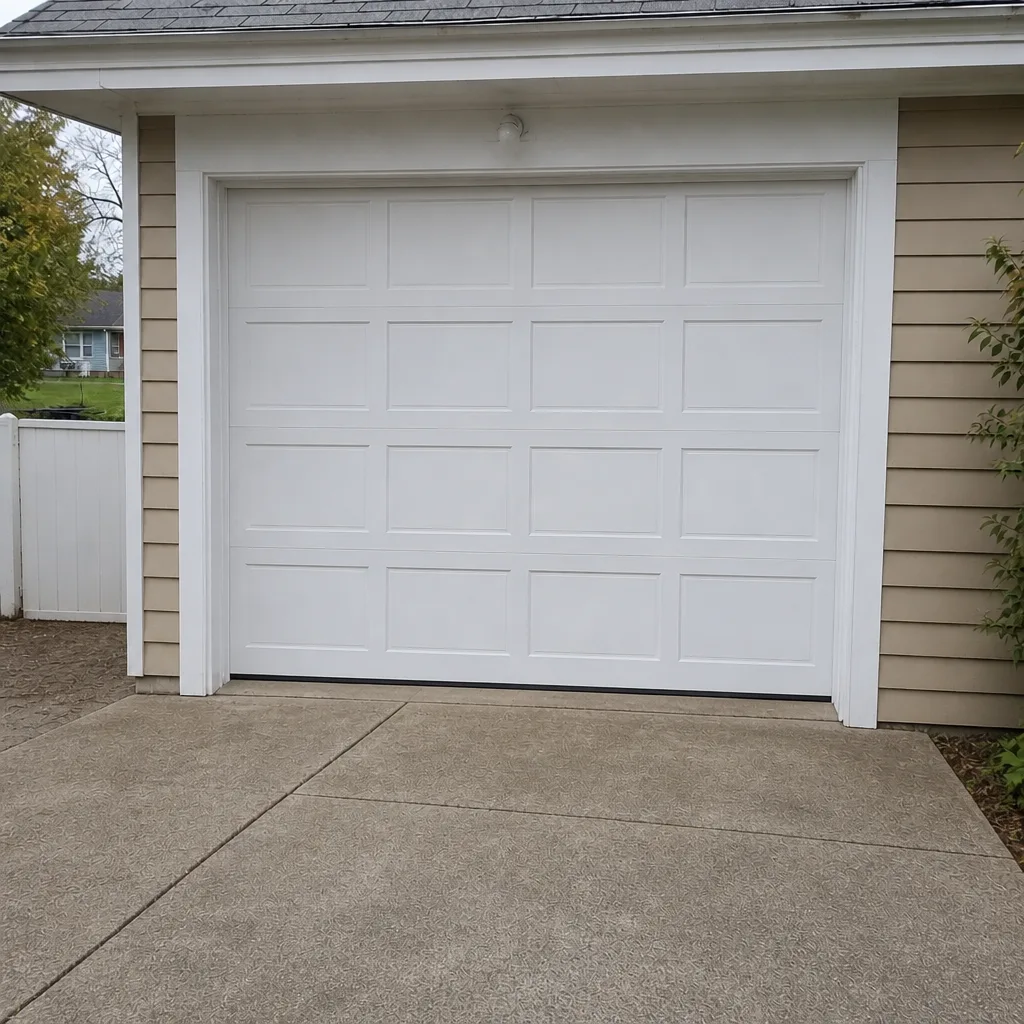 After
When to Call a Professional
Call a professional when you hear a new grinding, popping, or scraping sound; when you see a gap in a spring, a frayed cable, or a roller that’s out of position; when the door reverses on its own, stops mid-travel, or drops fast; or when you’re not sure whether what you’re seeing is safe. Hartford Garage Door Repair Co offers free estimates in Hartford – call (833) 482-6140. We answer 24/7. Fast dispatch from 7am to 7pm, Sunday through Friday. Our technicians have up to 10 years of experience and work exclusively on garage doors. We work on the brands most Hartford homeowners already own, including LiftMaster, Chamberlain, Craftsman, and Raynor.
Frequently Asked Questions
The most common warning signs are new or worsening sounds (grinding, popping, scraping, rattling), visible spring or cable damage, rollers that look misaligned or worn, and opener behavior that has changed (delayed response, reversed direction, or mid-travel stops). Any of these is worth a look. If you’re unsure, a free estimate is the safest first step. Call (833) 482-6140 for an exact quote – estimates are free.
Common repairs typically range from under $150 for roller or hardware issues up to around $600 for larger panel or door repairs, with springs, cables, track repair, and opener repair falling in between. The written estimate sets the final price before any work starts. Call (833) 482-6140 for an exact quote – estimates are free.
No. Torsion and extension springs are under extreme tension, and adjusting or replacing them without training and the right tools can cause serious injury. Spring repair is a job for a trained technician. We treat spring repair as a core part of our work for exactly this reason. Call (833) 482-6140 to schedule an inspection – estimates are free.
Hartford’s freeze-thaw cycles accelerate wear. Water that gets into a hinge or roller freezes and expands, metal parts contract in cold weather, and lubricant thickens and dries out. The result is that warnng signs you’d otherwise catch in spring tend to appear in January instead. A late-fall tune-up makes a real difference. Call us for a scheduling conversation.
Stop using the door if you’ve heard a bang and the door won’t lift (likely a broken spring), if a cable looks frayed or has snapped, if the door drops too fast when closing, if it’s visibly off its tracks, or if the safety sensors won’t stay aligned. In those situations, a call is the right first move. Call (833) 482-6140. We answer 24/7. Fast dispatch from 7am to 7pm, Sunday through Friday.
The local pro who comes to your door is licensed and insured as their state requires. Our technicians have up to 10 years of experience and work only on garage doors, not as rotating generalists. That focus means a faster diagnosis and a clearer repair plan. Call (833) 482-6140 for an exact quote – estimates are free.
The Bottom Line
Garage door failures send signals ahead of time, and in Hartford’s climate those signals tend to show up faster and more clearly than many homeowners expect. The four categories worth watching are sound, visible wear on springs and cables, Opener behavior, and seasonal stiffness. Catch a warning sign while it’s still a scheduled repair and it’s usually simple. Wait until it’s a breakdown and the repair tends to be larger and more urgent. If you’re seeing something you don’t like, whether it’s a grind that started this winter or a door that hesitates before it moves, have it looked at. At Hartford Garage Door Repair Co, we offer free estimates and a written price before any work starts. Call (833) 482-6140. We answer 24/7. Fast dispatch from 7am to 7pm, Sunday through Friday.
Written by the team at Hartford Garage Door Repair Co.